

Whether you’re a homeowner or a property manager, maintaining the beauty and integrity of your wood floors is paramount. The decision between recoating and fully sanding your floors can significantly impact both their appearance and longevity. Understanding when to opt for each method is crucial to ensure the best care for your flooring. This article will guide you through assessing floor conditions, understanding the processes involved, and making an informed choice that suits your needs.
Assessing Floor Conditions
Before deciding on a maintenance strategy, it’s vital to assess the condition of your hardwood floors. This initial step will determine whether your floors need a simple recoating or a more intensive sanding process. Begin by thoroughly inspecting the surface for any signs of damage. Assessing your floors carefully ensures you choose the most effective maintenance method. Homeowners across the Columbus Metro Area choose 1 DAY Refinishing for professional hardwood floor refinishing.
Here are key indicators to look for:
- Surface Scratches: Minor scratches that do not penetrate the wood can usually be addressed with a screening and recoating process.
- Fading or Dullness: A lack of shine often indicates worn-out finishes, which recoating can effectively restore.
- Deep Gouges or Stains: If the wood itself is damaged or stained, full sanding is likely required to remove these imperfections.
Once you’ve assessed the visible condition, it’s also important to check for structural concerns. Loose boards, squeaking, or shifting may require more than just surface treatment. If you encounter these issues, it might be wise to consult a flooring professional to ensure that the integrity of your floor is not compromised.
What is Screening and Recoating?
Screening and recoating is a less invasive process compared to full sanding. It involves lightly abrading the existing finish and applying a new coat of polyurethane or another protective layer. This method is ideal for floors that have superficial scratches or have lost their shine but are otherwise in good condition.
The process of screening is performed using a floor buffer equipped with a sanding screen. This screen gently scuffs the surface, allowing the new coat to adhere properly. One of the significant advantages of this method is the minimal dust and mess it creates, making it a more convenient option for many homeowners. Moreover, it is less time-consuming and often more cost-effective.
However, screening and recoating are not suitable for floors with deep scratches, significant color fading, or other major damages. It’s essential to ensure that the floor is structurally sound and that the existing finish is not peeling. If these conditions are met, recoating can breathe new life into your floors without the need for extensive labor or expense.
When to Fully Sand Your Floors
Full sanding might be necessary when your floors have extensive damage that cannot be remedied by recoating. This process involves removing the top layer of the wood to eliminate deep scratches, stains, and uneven surfaces. Sanding wood floors is a more involved task but can be incredibly effective in restoring floors to their former glory.
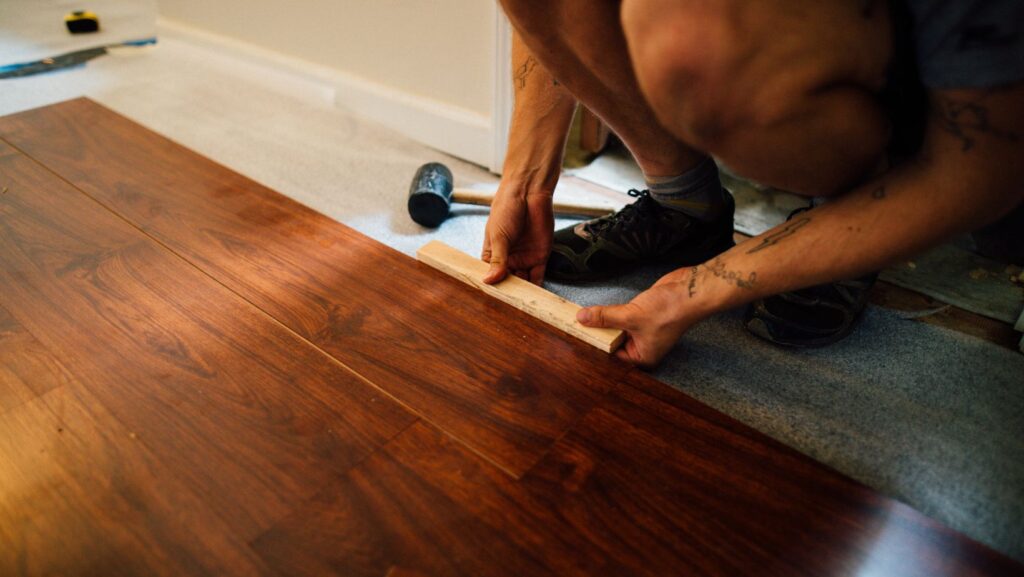
During the sanding process, multiple grades of sandpaper are used to gradually smoothen and level the surface. This method is particularly beneficial for floors that have accumulated layers of finish over the years, as it allows for a fresh start. Once the old finish is removed, you can choose to apply a new stain or finish, giving you the flexibility to update the look of your floors.
It’s important to note that full sanding should be considered carefully, as it removes a significant amount of wood. Over-sanding can reduce the lifespan of your floors. Therefore, this option is best reserved for floors that genuinely need it due to severe wear or damage.
Factors to Consider Before Choosing a Method
Deciding whether to recoat or fully sand your floors depends on several factors. First, consider the age and thickness of your flooring. Older floors might not withstand multiple sandings, and recoating could be a safer option. According to the U.S. Environmental Protection Agency (EPA), sanding or disturbing older wood finishes can release lead dust if the surface contains lead-based paint or old finishes applied before 1978. Therefore, testing for lead before sanding is strongly recommended, especially in homes built before that year. Additionally, your budget will play a crucial role in your decision, as sanding is generally more expensive due to the labor and materials involved.
The timeline for the project is another important consideration. If you need a quick fix, recoating may be more suitable, as it typically requires less time to complete. Conversely, if you can afford a longer downtime, sanding might be feasible, particularly if the floors require extensive repair.
Lastly, think about the long-term maintenance of your floors. Recoating can be repeated more frequently and extends the life of the existing wood. However, if you desire a complete makeover or if the floors are significantly damaged, sanding may be the most effective solution to achieve the desired outcome.
DIY vs Professional Services
When it comes to maintaining wood floors, you might be tempted to tackle the project yourself to save on costs. However, it’s vital to weigh the pros and cons of DIY versus hiring a professional. DIY recoating can be more manageable, especially if you have experience with home improvement projects. Nevertheless, without proper tools and knowledge, the results may not meet your expectations.
Professional services offer expertise, high-quality equipment, and efficiency that can be challenging to replicate. Professionals are adept at identifying underlying issues that you might overlook and can provide solutions that ensure long-lasting results. While the initial investment is higher, the assurance of a job well done often makes it worthwhile.
If you decide to go the DIY route, ensure you have the right tools, materials, and a clear understanding of the process. For many homeowners, the peace of mind and superior quality achieved by hiring experts outweigh the potential savings from a do-it-yourself approach.
Maintenance After Recoating or Sanding
Once you’ve rejuvenated your hardwood floors, maintaining their condition is crucial for long-lasting beauty. Proper care ensures the longevity of the finish, whether you opted for recoating or full sanding.
Regular Cleaning Routine
- Dusting: Use a soft-bristle broom or microfiber mop to remove dust and debris regularly.
- Mopping: Damp mop with a wood-safe cleaner to keep the surface clean without damaging the finish.
Preventative Measures
- Furniture Pads: Use felt pads under furniture legs to prevent scratches.
- Area Rugs: Place rugs in high-traffic areas to reduce wear.
- Humidity Control: Maintain indoor humidity levels to prevent wood expansion or contraction.
Implementing these maintenance practices can preserve your floor’s beauty and function for years to come.
Making an Informed Choice
Choosing between recoating and sanding wood floors is a decision that demands careful consideration. By thoroughly assessing your floor’s condition, understanding the processes involved, and weighing the factors unique to your situation, you can make a choice that aligns with your needs and budget. Remember that both options have their merits, and the right solution depends on the specific circumstances of your flooring. Whether you opt for a quick refresh through recoating or a comprehensive restoration with sanding, the goal is to enhance the aesthetic and functional qualities of your floors.
More Stories
How to Fund a Sustainable Home Remodel in 2026
Prime Locations for Beachfront Property in Thailand
Essential Procedures for Foreign Ownership of Houses in Pattaya