
Picture a seasoned architect sketching a house plan on a huge sheet of paper spread across the dining table, cursing under the breath every time the T-square slips and smudges the ink. Fast-forward thirty years: a junior architect sits in a café, tweaking a 3D model on a laptop, changing the roof pitch, and the entire energy simulation updates in seconds. That’s the shift happening right now. Automation in architecture and AI in architecture have moved beyond buzzwords to become the quiet revolution allowing for faster, greener designs with far less frustration. For anyone figuring out how to choose power tools for a company or exploring smart tools for architects, this is worth the attention. The goal isn’t to replace the soul of design, it’s to give that soul better wings.
The Evolution of Architectural Tools
Architecture has always been a love affair with tools. Early practitioners relied on wooden toolboxes that smelled of linseed oil and held brass dividers sharp enough to slice paper. Those were the original power tools – simple, yet demanding respect. Then came the electric eraser, and suddenly mistakes no longer meant starting over.
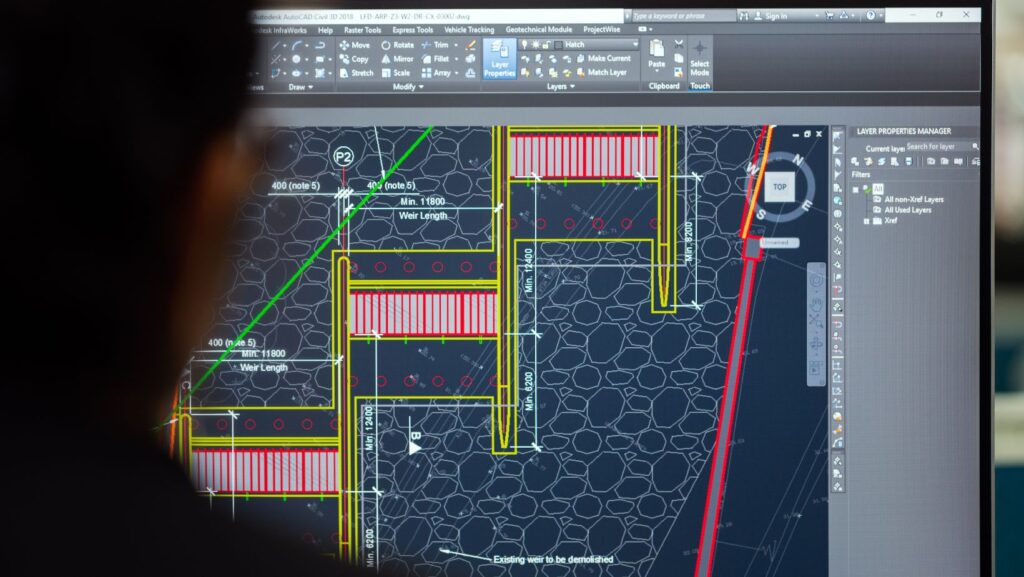
The real game-changer arrived in the 1990s when drafting tables gave way to humming AutoCAD stations. One undo command saved more tears than therapy. Yet CAD remained essentially a digital pencil. The leap to BIM felt like switching from a bicycle to a motorcycle – same road, far more power. Today, architectural technology enables a model to flag a pipe clashing with a beam before concrete is poured. Autodesk reports clash detection alone shaves weeks off construction schedules, and the reduction in change orders proves it.
The Role of Automation in the Design Process
Imagine spending hour six resizing windows to meet daylight codes, coffee gone cold, back aching, with a client demanding options by morning. Automation in architecture steps in, runs a script, and delivers twenty compliant variations while a fresh espresso is poured.
Grasshopper, for instance, links window sizes to solar gain. Slide one parameter, and the facade ripples like water, no need for endless copy-paste. Archilabs estimates this frees up to 40% of design time. In practice, that translates to site visits instead of screen-staring. Automation handles grunt work, like code checks, quantity takeoffs, basic massing studies, so focus stays on what matters, like how the lobby feels at golden hour.
Smart Tools Driving Modern Architectural Practice
Smart tools for architects may sound futuristic, but they’re simply software finally catching up to human intuition. Revit earns its “smart” label not for pretty pictures, but for remembering that a door schedule must update when a hinge type changes. Small details, big relief.

Here’s a short list of tools in active use:
- Revit + Dynamo – Automates repetitive families, curtain wall mullions that adjust to wind loads.
- Rhino + Grasshopper – Handles complex organic shapes clients swear they saw on Pinterest.
- Enscape – Real-time rendering and VR walkthroughs to spot poor lighting at 3 p.m.
- Spacemaker – Site boundary input yields shadow studies and density options before lunch.
When deciding how to choose power tools – digital or physical – two questions matter: Does it integrate with the existing stack? Can a sleep-deprived intern master it by Friday? If yes, invest. If not, keep searching.
Better Creativity Through AI and Machine Learning
The fear that AI in architecture churns out soulless glass boxes proves unfounded. One case saw AI suggest a courtyard layout that cut mechanical costs 15% and revealed a view corridor no human had noticed. AI isn’t the artist, it’s the brutally honest critic who works for free.
Generative design takes constraints, like budget, zoning, “no ugly buildings”, and produces hundreds of schemes. Most are discarded, but a few are gold. The architect’s role is to select the gold and make it sing. Chaos Group demonstrated AI-generated renderings from text prompts: “bioclimatic school with courtyards.” Ten seconds later, mood boards impressed a client who usually hates everything.
This is data-driven design decisions in action. Numbers don’t lie, but they also don’t dream. That remains the human domain.
Automation for Efficiency, Sustainability, and Precision
Deadlines tighten, clients demand LEED Platinum, and nobody pays for change orders. Automation in architecture delivers the triple espresso to get it all done.
Three benefits stand out:
- Efficiency – Documentation packages once taking three days now export during a phone call.
- Sustainability – Energy models test glazing options faster than saying “passive house.”
- Precision – Clash-free models mean contractors stop calling at 7 a.m. with problems.
Architecture Today once profiled a London company that cut embodied carbon 22% simply by letting AI swap steel for timber where sensible. That’s not idealism, it’s smart business.
Challenges and Ethical Considerations
Nothing is flawless. An early AI plugin once crashed so hard it took an entire model with it. Lesson: save often, trust slowly.
Smaller studios worry subscription costs will eat margins. Cloud tools help, but decent internet and open-minded leadership are still required. Ethics also loom large. If an algorithm trains on certain regional projects, will it undervalue local vernacular styles? Likely, unless fed better data.
Jobs evolve too. Junior drafters now need Python alongside coffee runs. Those who adapt become BIM managers earning double, those who don’t risk obsolescence, much like Blockbuster.
The Future of Architectural Practice
In five years, AR glasses on site will overlay digital twins that flag leaking joints before water appears. Digital transformation in architecture isn’t approaching, it’s here, just unevenly distributed.
Cities will use AI to predict traffic before the first excavator arrives. Buildings will self-report issues. A student will sketch on a tablet that instantly stress-tests a bridge idea. That’s the world being built.
Conclusion
From smudgy ink lines to glowing BIM models, the tools have changed, but the goal hasn’t: create spaces that make people feel something. Smart tools for architects, automation in architecture, AI in architecture, they’re the latest chapter. Used poorly, they produce generic boxes. Used well, they yield cathedrals with better daylighting.
Start small. Pick one pain point, maybe code checking, and automate it. Then another. Soon the practice isn’t just keeping pace with architectural technology, it’s pushing the frontier. The future won’t wait for the perfect plugin. Grab the tools, roll up sleeves, and build something worth sketching about.
More Stories
Long-Term RV Storage: Why Structure Height Matters
How to Plan a Micro Cafe Kitchen in 60 Square Feet
How Delivery to Europe Works Step by Step