

There’s something electric about witnessing a custom home contractor bring a vision to life, and here in Toronto, that transformation happens at a remarkable pace. When you work alongside an experienced custom home contractor in Toronto, you’re not just building walls and installing fixtures; you’re creating a visual story that deserves to be documented with the same precision and artistry that went into the original design.
Think about it. You’ve invested months, maybe years, pouring your soul into every detail of your dream home. The bespoke millwork, the carefully curated materials, the play of natural light across that statement staircase. But without proper documentation, those moments of architectural brilliance might exist only in the memory of those who experienced the build firsthand. That’s where architectural photography steps in, not as an afterthought, but as an essential chapter in your home’s narrative.
Why Documentation Matters More Than You Think
Here’s the thing about architectural photography in the custom home world: it’s the difference between a portfolio that whispers and one that shouts. Toronto’s design community thrives on visual storytelling, and contractors who understand this nuance consistently attract the caliber of clients who appreciate craftsmanship. It’s like comparing a home-cooked meal to one plated by a Michelin-starred chef; the ingredients might be similar, but the presentation transforms the entire experience.
The photographs become more than marketing collateral. They’re proof of concept, tangible evidence of your ability to translate vision into reality. When potential clients scroll through your portfolio at 11 PM on a Tuesday, those images need to stop them mid-scroll. They need to convey not just what you built, but how thoughtfully you approached every challenge. Did you preserve that century oak during construction? Show it. Did you integrate smart home technology seamlessly into heritage architecture? Capture that juxtaposition.
The Art of Timing: When to Shoot
Many contractors make the rookie mistake of scheduling photography sessions too early. You’ve got the final walkthrough scheduled, the keys are ready to hand over, so let’s shoot, right? Not quite. The magic happens in those golden hours when the space is styled but not lived in, when every surface gleams with possibility. This is typically 24 to 48 hours before occupancy, when the home exists in that liminal space between construction project and family residence.
Toronto’s seasonal shifts add another layer of complexity. Shooting a custom home with floor-to-ceiling windows during a February snowstorm creates an entirely different mood than capturing the same space flooded with June sunlight. Both tell valid stories, but knowing your audience matters. If you’re targeting families seeking warm, inviting spaces, that summer shoot might resonate more deeply. Showcasing winter coziness? Those shorter days and dramatic shadows become your allies.
Composition That Tells Stories
The best architectural photographers don’t just point and click; they’re spatial storytellers. They understand how to frame a room so viewers can imagine themselves moving through it. They know that a vignette of morning coffee on a kitchen island bathed in dawn light speaks volumes about lifestyle, not just square footage.
Consider the difference between a straight-on shot of a kitchen and one that includes that peek through to the dining room, with the backyard visible beyond. Suddenly, you’re not just showing cabinets and countertops; you’re illustrating how the space facilitates connection, how it supports the flow of daily life. That’s the kind of visual narrative that resonates with clients who view their homes as more than structures; they’re seeking environments that enhance their lives.
Technical Mastery Meets Creative Vision
Let’s talk gear for a moment, because while cameras don’t make photographers, the right equipment enables artistic expression. Tilt-shift lenses correct those pesky perspective distortions that make walls appear to lean inward. High dynamic range imaging captures both the view through that picture window and the detailed trim work surrounding it. But here’s the catch: technical proficiency without creative vision produces sterile documentation, not compelling art.
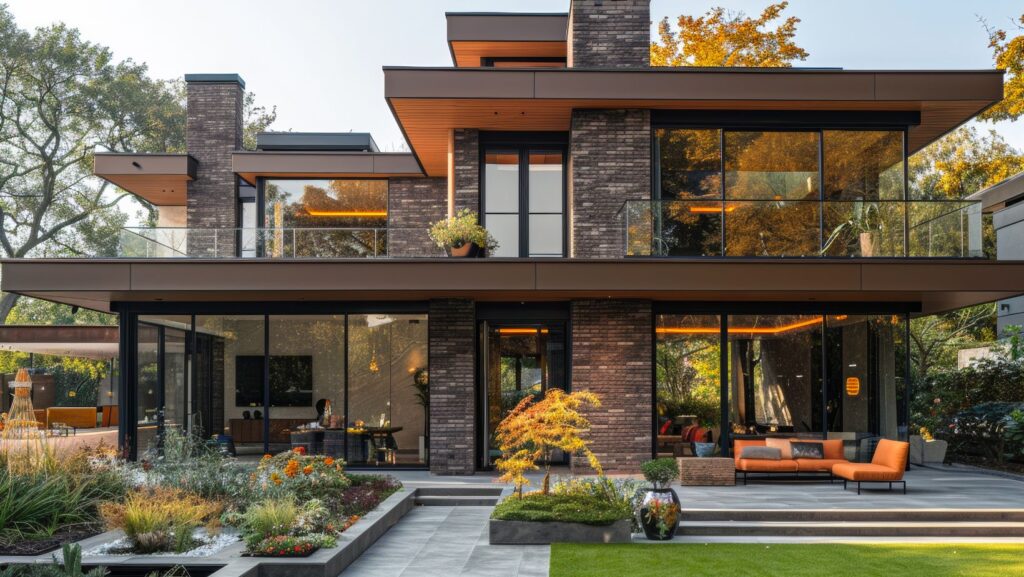
The photographers who truly excel in this space understand light not just as illumination, but as an active design element. They wait for that moment when afternoon sun rakes across textured walls, revealing depth and character. They balance ambient light with subtle fill to eliminate harsh shadows without flattening the image into uniformity. It’s a delicate dance, and when done right, the viewer never notices the technique; they only feel the impact.
The Emotional Resonance of Space
Here’s where things get interesting. A well-executed architectural photograph doesn’t just document physical space; it evokes emotion. That carefully composed shot of a reading nook, complete with natural light streaming across a vintage armchair, isn’t selling square footage. It’s selling the promise of quiet Sunday mornings with a book and coffee, of sanctuary within your own walls.
Toronto’s custom home market increasingly values this emotional intelligence in photography. Clients don’t just want to see what you built; they want to feel what it would be like to live there. This requires photographers who can tap into that intangible quality that transforms a house into a home—the careful attention to human scale, the inclusion of personal touches without being too specific, the understanding that sometimes what you leave out of frame matters as much as what you include.
Building Your Visual Legacy
Smart contractors view architectural photography not as an expense, but as an investment in their legacy. Those images become the foundation of your portfolio, yes, but they also serve as a benchmark for quality, a visual standard that communicates your values without words. When a potential client compares your work to competitors, they’re not just evaluating past projects; they’re imagining their own transformation story.
The cumulative effect of consistently high-quality photography elevates your entire brand. It signals to the market that you care about details, that you understand the importance of presentation, that you’re not just building houses but creating homes worthy of celebration. In Toronto’s competitive custom home market, that distinction matters enormously.
The Collaborative Process
The best results emerge from true collaboration between contractor, photographer, and often the design team. This isn’t about showing up on shoot day and hoping for the best. It’s about pre-production walkthroughs, discussion of key features to highlight, understanding the story you want to tell. Maybe this project showcased innovative sustainable materials; let’s make sure those elements shine. Perhaps the challenge was maximizing natural light in an urban infill, so composition should emphasize that achievement.
This collaborative approach also means being open to the photographer’s creative input. They bring fresh eyes to spaces you’ve lived with for months during construction. They might spot compelling angles or details you’ve stopped noticing. That willingness to embrace new perspectives often yields the most memorable images.
Beyond the Shoot: Maximizing Impact
Once you’ve got stunning images, use them strategically. They’re not just for your website’s portfolio page (though certainly start there). Share them on social media with context about the challenges overcome, the innovative solutions employed, the client’s vision realized. Submit them to design publications and industry awards. License them for editorial use when opportunities arise.
Consider creating before-and-after series that showcase your problem-solving abilities. Toronto’s housing stock includes countless homes ripe for transformation, and visual evidence of your expertise in that arena speaks directly to a significant market segment. Document not just finished spaces but also those compelling mid-construction moments that reveal the complexity of your work.
The Future Lens
As Toronto’s custom home market evolves, so too does architectural photography. Virtual staging, 3D tours, drone footage; these technologies augment but don’t replace the power of a beautifully composed still image. The fundamentals remain constant: light, composition, storytelling, emotional resonance. Master those elements, invest in proper documentation, and your work will speak for itself with a clarity that transcends any verbal description.
Your custom home projects represent hundreds of hours of skilled labor, creative problem-solving, and technical expertise. They deserve to be documented with the same level of care and artistry that went into their creation. In Toronto’s design-conscious market, that investment in professional architectural photography isn’t optional—it’s essential for contractors who want their work to resonate beyond the immediate neighborhood, to become part of the city’s evolving architectural conversation.
More Stories
Avoid Common Mistakes When Choosing Roof-Only Insulation Solutions
5 Home Projects That Depend on Roof Pitch
Mistakes Purchasers Make When Choosing Property Developers in the UAE