
Picture this: You wake up in the middle of the night, your throat feels like sandpaper, and your nose is so dry it hurts to breathe. Or maybe you walk into your living room and your windows are fogged up, your walls feel damp, and you spot a little patch of mold behind the couch. Both of these moments have one thing in common—humidity. If you’ve ever wondered what is the ideal humidity inside a home, you’re not alone. Most people don’t think about it until something feels off. But here’s the part nobody tells you: getting your home’s humidity right can change how you sleep, how your skin feels, and even how much you spend on heating and cooling.
Why Humidity Matters More Than You Think
Humidity isn’t just about comfort. It’s about health, energy bills, and even the lifespan of your house. Too little humidity and you’ll notice dry skin, static shocks, and maybe even nosebleeds. Too much, and you’re looking at mold, dust mites, and warped wood floors. If you’ve ever struggled with waking up stuffy or noticed your hardwood floors creaking more than usual, humidity could be the culprit.
What Is the Ideal Humidity Inside a Home?
Let’s break it down. The ideal humidity inside a home sits between 30% and 50%. Most experts, including the Environmental Protection Agency (EPA), recommend keeping it around 40% to 45% for the sweet spot. Why this range? It’s low enough to keep mold and dust mites at bay, but high enough to keep your skin, sinuses, and furniture happy.
- Below 30%: Air feels dry, skin cracks, wood shrinks, and you’re more likely to get sick.
- Above 50%: Mold, mildew, and dust mites thrive. Your home feels muggy, and allergies can flare up.
Here’s a quick test: If your windows are fogging up in winter, your humidity is probably too high. If you’re getting static shocks every time you touch a doorknob, it’s probably too low.
How Humidity Affects Your Health
Let’s get personal. I once spent a winter in a house where the humidity dropped below 20%. My lips cracked, my hands bled, and I caught every cold that came my way. Low humidity dries out your mucous membranes, making it easier for viruses to get in. On the flip side, high humidity can make allergies worse and even trigger asthma attacks. Mold spores and dust mites love moist air. If you or your kids wake up stuffy or itchy, check your humidity.
Common Health Issues Linked to Humidity
- Dry skin and eyes
- Increased colds and respiratory infections
- Worsened allergies and asthma
- Frequent nosebleeds
- Itchy throat and coughing
Here’s why: Your body needs a certain amount of moisture in the air to keep your skin and airways healthy. Too much or too little, and things start to go wrong.
How Humidity Impacts Your Home
Humidity doesn’t just mess with your body—it can mess with your house, too. Wood floors and furniture can crack or warp. Paint can peel. Electronics can get damaged. And if you’ve ever found a musty smell in your basement, you know what I’m talking about.
Signs Your Home’s Humidity Is Off
- Condensation on windows
- Warped or creaking wood floors
- Mold spots in corners or closets
- Peeling paint or wallpaper
- Static electricity shocks
If you see any of these, it’s time to check your humidity levels.
How to Measure Humidity Inside Your Home
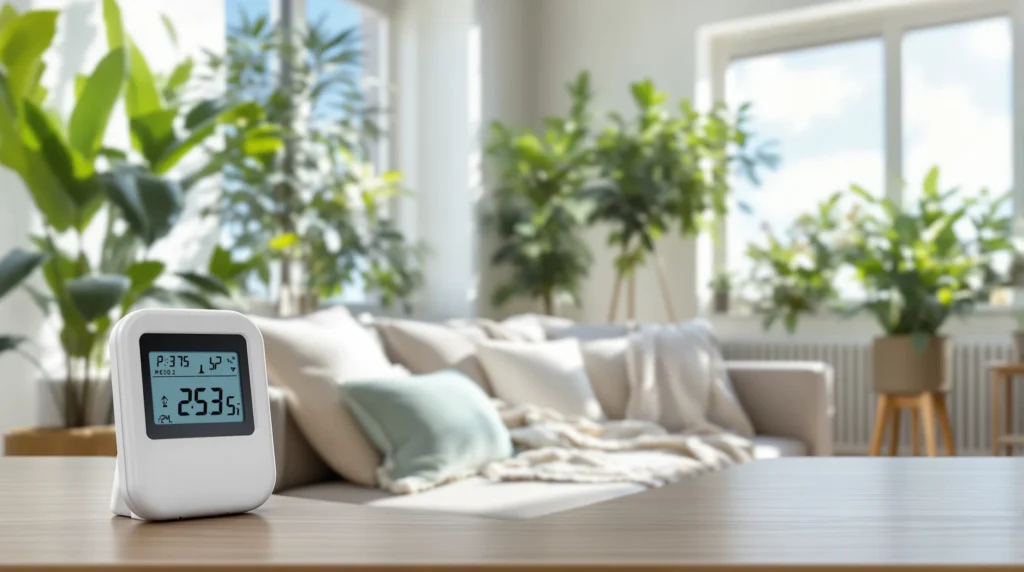
You don’t need to guess. Pick up a digital hygrometer—they’re cheap and easy to use. Place it in the room you spend the most time in, like your bedroom or living room. Check it a few times a day, especially during extreme weather. If you see numbers outside the 30% to 50% range, it’s time to act.
How to Control Humidity: Real-World Tips
Here’s where most people get it wrong: They buy a humidifier or dehumidifier and call it a day. But there’s more to it. Here’s what actually works:
To Raise Humidity
- Use a humidifier, but clean it often to avoid mold
- Air-dry laundry indoors
- Place bowls of water near heat sources
- Keep houseplants—they release moisture
To Lower Humidity
- Run a dehumidifier, especially in basements
- Use exhaust fans in bathrooms and kitchens
- Fix leaks and seal windows
- Open windows on dry days
Don’t forget: Over-humidifying can be just as bad as letting things get too dry. Always check your hygrometer before making changes.
Who Needs to Care Most About Humidity?
If you have allergies, asthma, or sensitive skin, you’ll feel the effects of bad humidity first. Families with babies or elderly relatives should pay extra attention, since both groups are more vulnerable. If you live in a place with harsh winters or muggy summers, you’ll need to check your humidity more often. But honestly, anyone who wants to sleep better, breathe easier, and protect their home should care about what is the ideal humidity inside a home.
What Most People Get Wrong About Humidity
Here’s the part nobody tells you: Humidity isn’t set-it-and-forget-it. It changes with the seasons, the weather, and even how many people are in your house. I once thought my humidifier would fix everything, but I ended up with moldy window sills because I didn’t check the levels. Lesson learned—always measure, don’t guess.
Next Steps: Take Control of Your Home’s Humidity
If you’ve made it this far, you know what is the ideal humidity inside a home and why it matters. Here’s what to do next:
- Buy a digital hygrometer and check your levels
- Adjust with a humidifier or dehumidifier as needed
- Watch for signs of trouble—dry skin, condensation, mold
- Make small changes, like using fans or adding plants
- Check your humidity every season
Getting your home’s humidity right isn’t just about comfort—it’s about health, savings, and peace of mind. If you’ve ever wondered what is the ideal humidity inside a home, now you know: aim for 30% to 50%, check it often, and adjust as needed. Your body—and your house—will thank you.
More Stories
How does Attic Air Leakage Affect Heating and Cooling Load Balance?
The Finest Designer Radiator Brands for High-End Residential Architecture Projects
The Anatomy of a High-End Bathroom Renovation: A 2026 Inside Look