
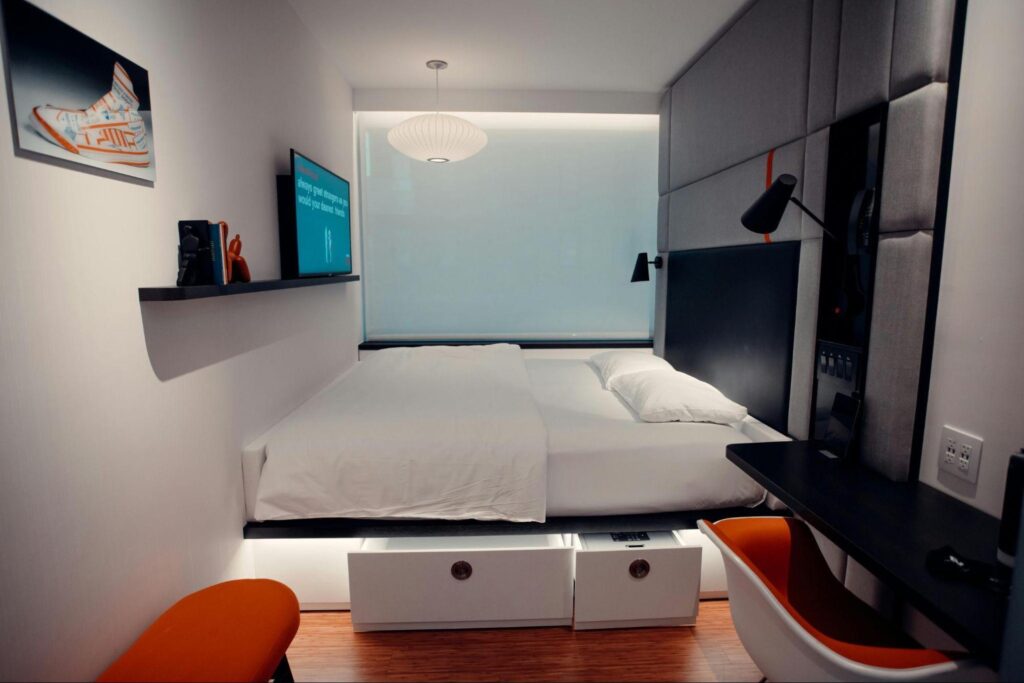
At some point, most city residents realize they’re constantly rearranging their lives to fit their things instead of the other way around. That realization usually comes while stepping over a box, shoving something under a bed, or wondering why a coat from last winter is still hanging in the way.
At the same time, people living in cities aren’t owning less. They’re just owning differently. Bikes instead of cars. Seasonal clothes that rotate. Work equipment that comes and goes. Hobbies that don’t fit neatly into one drawer.
That’s where flexible storage starts to matter.
Instead of trying to cram everything into an apartment that wasn’t designed for it, many city residents rely on storage options that can change with their lives. The key word there is change.
Why Traditional Storage Doesn’t Always Work
Old-school storage solutions assume stability. A garage. A basement. A permanent spare room. City living doesn’t usually offer any of those.
Leases change. Roommates come and go. Jobs shift. Sometimes people downsize quickly, or suddenly need space for something temporary, like moving furniture, equipment, or personal belongings during a transition.
Permanent storage setups don’t adapt well to that kind of movement.
Flexible storage does, which is why options like Firestone Blvd Storage Units make more sense for people whose space needs change over time.
What “Flexible” Actually Means
Flexible storage isn’t about size alone. It’s about control.
People want the ability to adjust how much space they use and how long they use it. Some months require more room. Others don’t. Paying for space you don’t need feels wasteful, especially in cities where rent already eats up a large part of the budget.
Accessibility matters, too. Storage that’s easy to reach fits city routines better than places that require long drives or strict access windows. When storage feels convenient, it actually gets used instead of forgotten.
Supporting Smaller Living Spaces
Smaller apartments work better when they aren’t overloaded. Flexible storage allows people to keep their living areas functional instead of cluttered.
Seasonal items are a good example. Winter coats, sports gear, holiday decorations, or bulky luggage don’t need to live inside an apartment year-round. Moving them out temporarily can make a noticeable difference in how a space feels.
The result isn’t just more room. It’s less visual noise, which often makes a bigger difference than extra square footage.
Flexibility for Life Changes
City living comes with frequent transitions. New jobs. Moves between neighborhoods. Temporary relocations. Shared living situations that don’t always last.
Flexible storage helps smooth those moments. Instead of rushing decisions or getting rid of things too quickly, people have somewhere neutral to place belongings while they figure out what’s next, including items connected to longer-term projects like sustainable landscape design.
That breathing room can be surprisingly valuable.
A Practical Tool, Not a Luxury
In modern city life, flexible storage isn’t really an upgrade. It’s a practical tool that supports mobility, keeps living spaces usable, and adapts to change without locking people into long-term commitments.
When space is limited, flexibility becomes the real asset, and having options can make city living feel far more manageable.
More Stories
7 Reasons to Opt for Handles With Built-In Locking Mechanisms
How Modern Vanity Units Can Anchor a Bathroom’s Design Scheme
Why Quick Fixes Often Fail With Blocked Toilets