
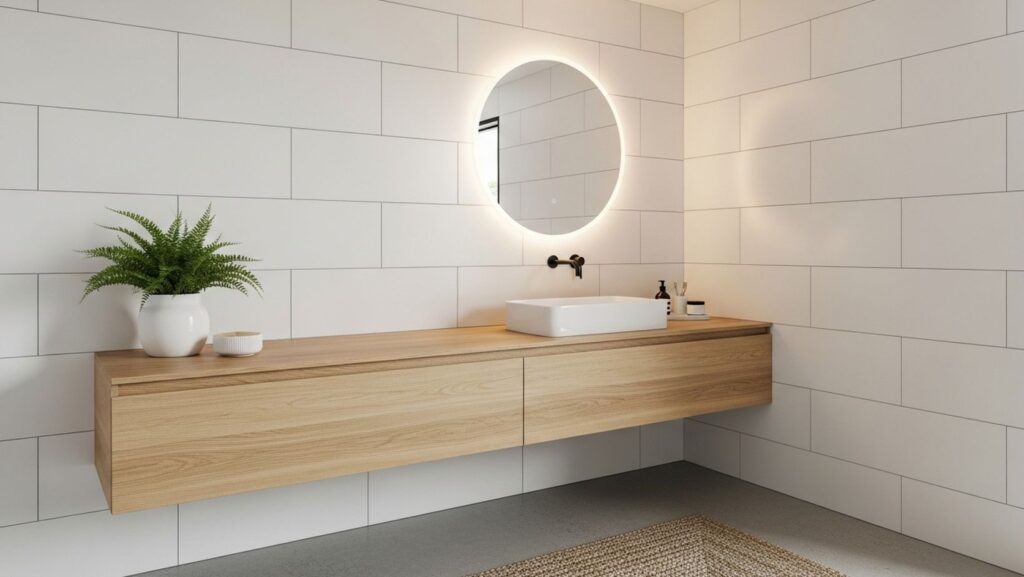
In recent years, the bathroom has evolved from a strictly functional space to one that reflects personal style and wellness. A pivotal component of this transformation is the vanity unit. Modern vanity units do more than just serve as sink surfaces; they play a crucial role in floor planning, style cohesion, and maximizing functionality. Let’s explore how these units can anchor a bathroom’s design scheme and create a harmonious environment.
The Role of Vanity Units in Design
Aesthetic Foundation
At its core, the vanity unit offers an immediate focal point in the bathroom. When chosen thoughtfully, it sets the stage for the rest of the space. For example, a sleek, minimalist vanity in a small bathroom can create an illusion of space and tranquility, while a rustic wood vanity can introduce warmth and character in a larger area. The finishes, colors, and materials you select for your vanity can help support a variety of design themes, from contemporary and chic to classic and timeless.
Space Efficiency
In addition to aesthetics, vanity units contribute significantly to the overall layout of the bathroom. They often come equipped with features that maximize usable space. Many modern designs incorporate integrated storage for bathroom spaces, allowing homeowners to keep essentials like towels, toiletries, and cleaning supplies neatly tucked away. This not only reduces visual clutter but also creates a more serene and inviting environment.
Think about the layout of your own bathroom. Is there a bit of wasted corner space? A tall, narrow vanity can make excellent use of a tight space without sacrificing style. Conversely, a broader unit might be ideal in a spacious layout, giving you room to express your personal taste while maintaining functional efficiency.
For a wide array of designs that prioritize functionality without compromising on style, consider browsing quality selections online, such as those found at Heat and Plumb. There’s a collection of practical furniture for modern bathrooms.
Trends Shifting the Landscape
Minimalism and Clean Lines
One prevalent trend is minimalism, characterized by clean lines and simplicity. The focus is on enough cabinetry to be functional but not overwhelming. Floating vanities, which are mounted to the wall and leave the flooring visible, have gained traction as they enhance the illusion of space and cleanliness. This style often encompasses sleek materials like glass or polished metal, making it easy to incorporate into various design schemes.
Statement Pieces
On the flip side, there’s a growing appreciation for statement pieces in bathroom design. A bold, uniquely shaped vanity can act as an artwork within the room.
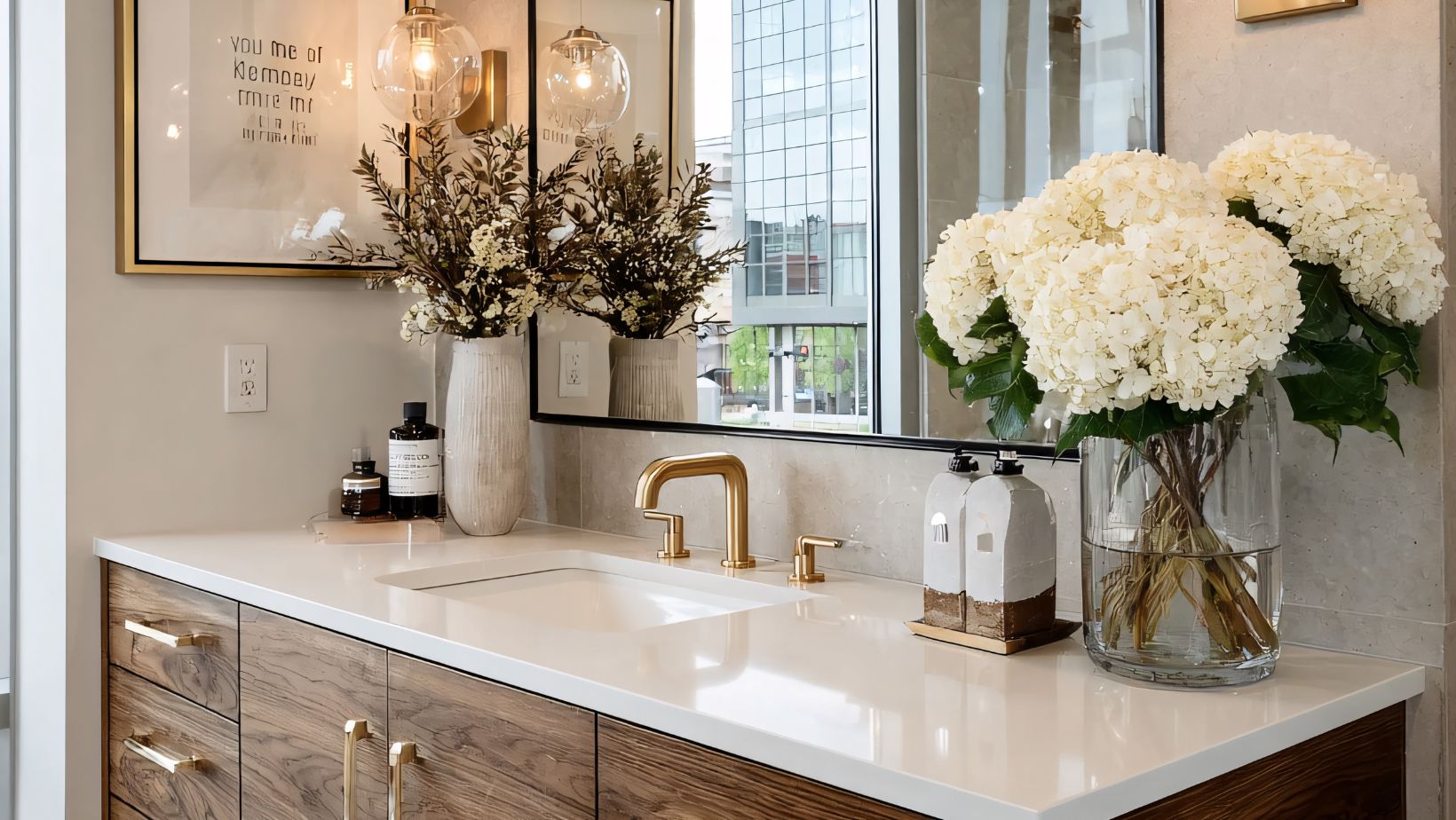
Consider units in vibrant hues or eccentric materials, like marble or patterned tile. This trend allows homeowners to inject personality into their bathrooms, transforming them into spaces of self-expression.
Eco-Friendly Choices
Sustainability is also becoming increasingly important in bathroom design. Many manufacturers are now creating vanity units from reclaimed or eco-friendly materials, aligning with a broader push for environmentally-conscious living. Choosing a sustainable vanity not only contributes to the planet’s health but can also add a unique character to your design.
Creating Cohesion in Design
Matching Styles
To ensure that your bathroom feels cohesive, it’s important to choose a vanity that matches or complements your overall design scheme. If your bathroom features vintage-style fixtures, a modern vanity might feel out of place. Instead, look for units that echo the materials or colors found in other elements of your bathroom, like tiles, lighting fixtures, and mirrors.
Accessories and Accents
Don’t forget that accessories play an important role in tying a bathroom’s design together. Select hardware, like knobs and pulls, that harmonizes with your vanity. If your vanity is sleek and modern, opt for chrome fixtures. Alternatively, if you’re leaning toward a vintage look, brass or antique bronze could be the way to go.
Lighting
The right lighting can further enhance the beauty of your vanity unit. Consider pendant lights or sconces that provide adequate illumination for tasks such as shaving or applying makeup. Layered lighting, which combines task, ambient, and accent elements, can dramatically improve both functionality and mood, creating a space that’s as inviting as it is practical.
Making the Most of Your Vanity Unit
Personalization
Finally, incorporating personalization into your vanity unit can be an excellent way to make the space feel uniquely yours. Add decorative elements, such as framed photos, plants, or art pieces, that resonate with you. If you have children, they might appreciate a small area for their toothbrushes or favorite bath toys, making the bathroom feel more welcoming and family-oriented.
Routine Considerations
Think about your daily routine when selecting and designing your vanity unit. Would you benefit from additional countertop space? Do you need specific storage for beauty products? Tailoring your vanity to your lived experience can significantly enhance your comfort and functionality.
Conclusion
Modern vanity units have become much more than bathroom fixtures; they are essential design elements that harmonize aesthetics with function. By thoughtfully selecting a vanity that reflects your style, maximizes your space, and complements your bathroom’s overall design scheme, you can create a sanctuary that embodies both beauty and utility. In this evolving landscape, the possibilities are limited only by your imagination—and with the right choices, your bathroom can truly become a personal retreat.
More Stories
7 Reasons to Opt for Handles With Built-In Locking Mechanisms
Why Quick Fixes Often Fail With Blocked Toilets
Why Clean Lines and Open Spaces Are Winning in Bathroom Renovations