
Flat roofs offer a distinct aesthetic and are widely favored for both residential and commercial buildings. However, their longevity is heavily influenced by weather patterns. Understanding how these elements interact can help owners take proactive measures to extend the life of their flat roofs. In this article, we’ll explore the key weather-related factors that affect flat roof durability and outline what measures can be implemented for better performance and lifespan.
Understanding Flat Roof Vulnerability
Flat roofs might appear simple in design, but their construction requires careful consideration of various environmental factors. Unlike pitched roofs, flat roofs can collect water, making them particularly susceptible to leaks and moisture accumulation. When exposed to extreme weather conditions, the materials used in flat roofing can degrade at accelerated rates.
Key Weather Factors
1 Rain and Water Accumulation: Heavy rainfall can lead to standing water on flat roofs. If not properly managed, this can cause wear and tear on roofing materials over time.
2 Snow and Ice: In colder climates, snow accumulation can place additional weight on flat roofs. When temperatures fluctuate, melting and refreezing can create ice dams, which may lead to leaks and structural damage.
3 Temperature Extremes: Both high and low temperatures can negatively affect flat roofing materials. Prolonged exposure to the sun can lead to deterioration, while extreme cold can make materials brittle.
4 Wind: Strong winds can compromise the integrity of roofing membranes, especially if they are not properly attached. Wind-driven rain can also infiltrate seams and joints, leading to leaks.
Adaptation to Weather Patterns
To combat these challenges, it’s essential to select materials that are resilient to these weather conditions. Investing in modern systems suitable for flat roof installations is a practical approach. For example, materials with high resistance to UV radiation and thermal expansiveness can significantly extend the lifespan of flat roofs.
This adaptability isn’t just about materials; maintenance practices must also evolve with changing weather patterns. Regular inspections can identify early signs of wear, while timely repairs can mitigate potential damage before it escalates.
Maintenance Practices and Strategies
While weather can be unpredictable, implementing a robust maintenance schedule can dramatically enhance the longevity of flat roofs.
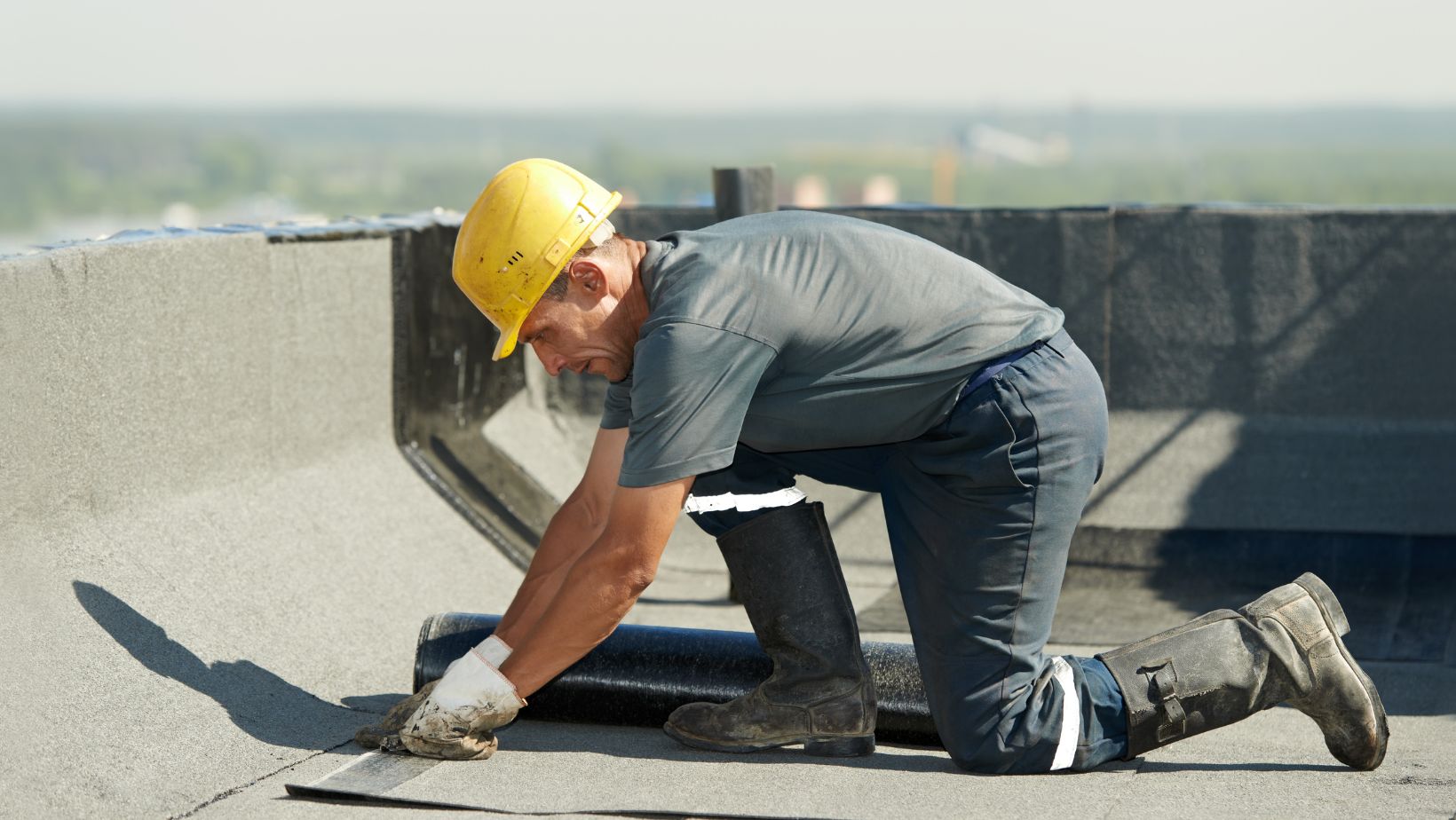
Here are some essential strategies to consider:
1 Regular Inspections: Conducting annual inspections—preferably in both spring and autumn—allows for timely identification of potential issues. Check for standing water, cracks, or signs of wear.
2 Effective Drainage Systems: Ensure that gutters, drainpipes, and scuppers are functioning properly to direct water away from the roof. This reduces the risk of water accumulation and its subsequent damage.
3 Debris Removal: Regularly clear off debris such as leaves, branches, and dirt. Accumulated debris can block drainage systems, leading to water buildup.
4 Temperature Monitoring: Pay attention to temperature extremes in your area. If your region experiences significant fluctuations, consider using materials that can better withstand these changes.
5 Sealing and Coatings: Applying weather-appropriate sealants and reflective coatings can protect the roofing material from UV damage and water penetration. These can be particularly beneficial in sunny climates or regions that frequently experience heavy rains.
Embracing the Right Materials
Choosing the right roofing materials can make a substantial difference in flat roof longevity. Options such as EPDM (ethylene propylene diene terpolymer), TPO (thermoplastic olefin), and modified bitumen are examples of materials noted for their durability and weather resistance.
• EPDM: This rubber roofing is highly resilient to UV exposure and is known for its excellent weather resistance.
• TPO: Often regarded for its energy efficiency, TPO offers high resistance to impact and can help keep building interiors cooler.
• Modified Bitumen: This option presents added flexibility, making it adaptable to thermal changes, thus reducing the risk of cracking.
Investing in these modern systems suitable for flat roof installations can yield significant long-term savings, both in reduced maintenance costs and extended lifespans.
Conclusion
Weather patterns exert a profound influence on the longevity of flat roofs. By understanding the specific challenges posed by rain, snow, extreme temperatures, and wind, property owners can take informed steps to protect their investment.
Robust maintenance, coupled with the right materials, not only enhances durability but also assures peace of mind. In this way, adapting to changing conditions and evolving materials technology can keep flat roofs in prime condition for many years to come. The key is to be proactive rather than reactive, ensuring that your flat roof remains a reliable asset rather than an unexpected liability. A well-maintained flat roof is not just a shelter; it’s a cornerstone of your property’s overall value and integrity.
More Stories
7 Reasons to Opt for Handles With Built-In Locking Mechanisms
How Modern Vanity Units Can Anchor a Bathroom’s Design Scheme
Why Quick Fixes Often Fail With Blocked Toilets