

The landscape of office design in London is evolving at a remarkable pace. As the world’s economic center, the city faces a unique intersection of challenges and opportunities that are reshaping how workspaces are conceived and utilized. With the rise of hybrid work models, sustainability requirements, and an increasing focus on employee wellbeing, companies must reconsider their office environments to stay relevant and competitive. This article explores the new priorities shaping office design in London and how organizations can adapt to these trends.
Hybrid Work Models: Designing for Flexibility
One of the most significant shifts in office design is the move toward hybrid work models. A growing number of organizations are providing employees with the option to work both remotely and in-office, making it crucial to design spaces that accommodate this flexibility.
Key aspects to consider:
• Collaborative Areas: Spaces for teamwork and brainstorming have become essential. These areas should be equipped with technology that enables seamless collaboration, whether employees are in the office or joining remotely. Spaces for dynamic displays and easy connectivity tools should be a priority as well.
• Quiet Zones: Equally important are quiet areas where employees can focus. This balance is vital to avoid distractions and foster productivity, catering to various work styles and preferences.
When businesses seek end-to-end office transformation services, they gain access to specialized insight that considers both the current needs and future demands of hybrid work. From layout planning to implementation, these services can ensure that office spaces are equipped for flexibility and functionality.
The Push for Sustainability
Sustainability is not just a buzzword; it is now a prerequisite for modern office design. Companies today are increasingly aware of their environmental footprints and are striving to create greener offices.
Sustainable design principles include:
• Material Selection: The choice of eco-friendly materials can have a significant impact. Sustainable wood, recycled metals, and low-VOC paints should be prioritized.
• Energy Efficiency: Smart building technology can be used to optimize energy consumption. Features like energy-efficient lighting and HVAC systems not only reduce costs but also contribute to a healthier environment.
• Green Spaces: Incorporating biophilic design elements—such as indoor plants and natural light—can improve air quality and enhance employee wellbeing. Offices are increasingly integrating green roofs and living walls that not only beautify the workspace but also contribute to insulation and energy efficiency.
Companies adopting these sustainable approaches not only benefit the planet but also attract talent that prioritizes corporate social responsibility. With increasing regulations around sustainability in the workplace, organizations that lead the charge will find themselves at a competitive advantage.
Employee Wellbeing: Designing for Mental and Physical Health
The past few years have underscored the importance of employee wellbeing, driving businesses to consider how their office designs can support mental and physical health. No longer just a trend, prioritizing employee health can lead to significant benefits, including decreased absenteeism and increased productivity.
Factors to think about include:
• Natural Light and Ventilation: Research shows that access to natural light improves mood and productivity. Designing offices with large windows or skylights fosters an environment where staff can thrive both mentally and physically.
• Ergonomic Furniture: Providing adjustable desks and comfortable seating options promotes better posture and reduces musculoskeletal issues, showcasing a company’s commitment to employee health.
• Mental Health Spaces: Quiet rooms or meditation areas can be valuable additions, offering employees a respite during busy workdays. These zones can be equipped with calming design elements to create a restorative environment.
Fostering employee wellbeing through thoughtful design can lead to a more engaged and productive workforce. Organizations that fail to recognize this shift may find themselves facing higher turnover rates and lower employee satisfaction.
Technology and Adaptability: Planning for Future Needs
As technology advances rapidly, a modern office must be adaptable to change. This flexibility enables businesses to pivot quickly in response to new technologies and market demands.
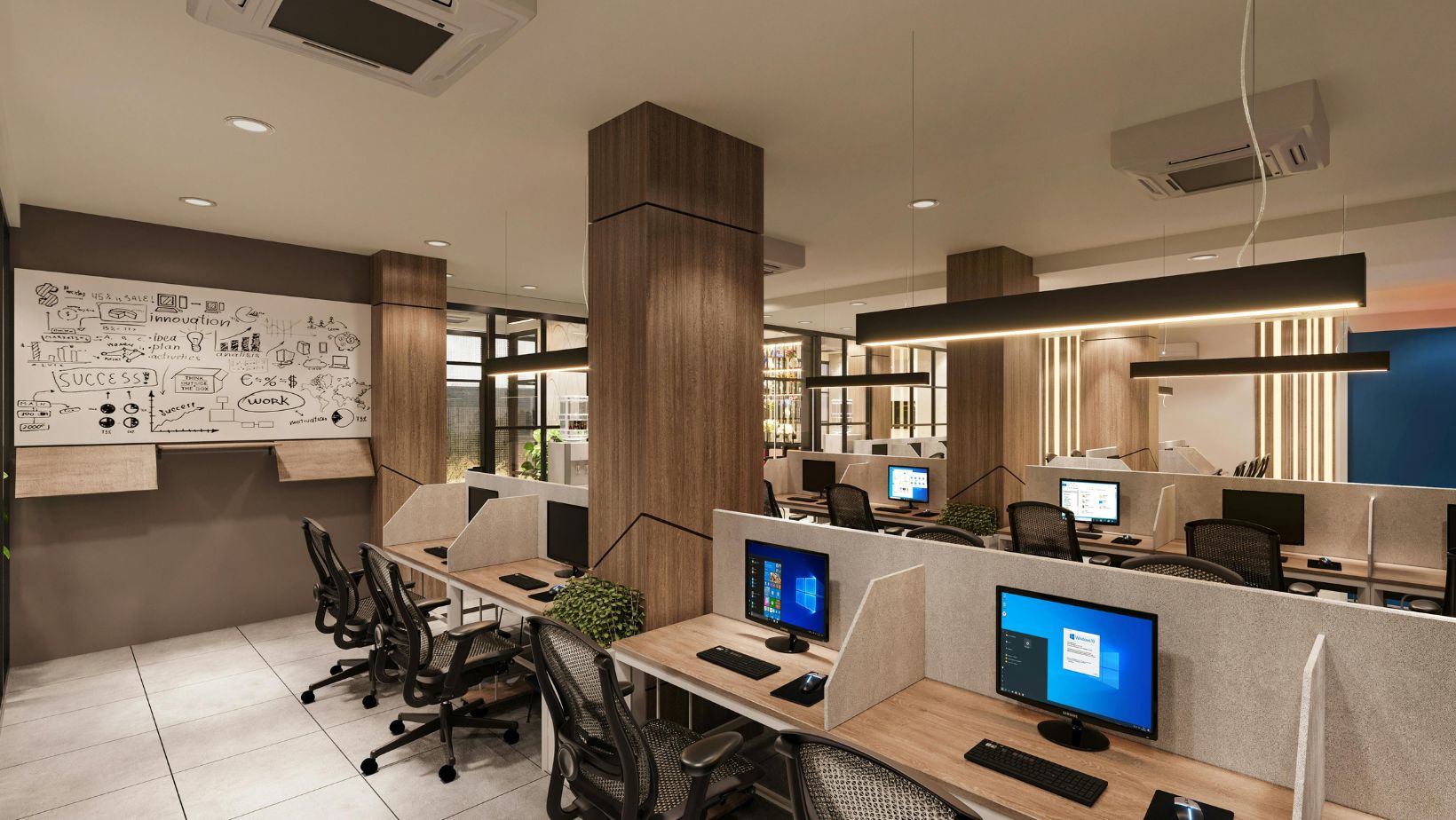
Essential technological considerations include:
• Smart Offices: Integration of smart technology can enhance user experience. Automated lighting, smart thermostats, and AI-driven analytics not only improve efficiency but also streamline operations.
• Future-Proof Design: Creating adaptable floor plans that allow for easy reconfiguration can save both time and money as organizational needs evolve. Movable partitions and modular furniture can facilitate this adaptability.
• Connectivity Infrastructure: As remote work becomes more commonplace, a robust IT infrastructure is critical. High-speed internet, effective data security measures, and comprehensive communication systems should be integrated into office designs from the outset.
Creating an office that accommodates technological advancements and changing workforce dynamics is key to remaining competitive in the long term.
Conclusion: Embracing a New Era of Office Design
The priorities shaping office design in London reflect a significant cultural shift towards flexibility, sustainability, and employee wellbeing. As companies reassess their workspaces, embracing these trends will not only attract top talent but also foster a productive and engaged workforce.
By leveraging end-to-end office transformation services, organizations can craft environments that are future-proofed against evolving trends and employee needs. As we navigate this new landscape, thoughtful design and planning will be indispensable tools in creating workplaces that inspire, energize, and support a more holistic approach to work-life balance.
Navigating these design challenges may seem daunting, but taking proactive steps and being open to change can position your company as a leader in the evolving office landscape of London.
More Stories
The World of Urban Communities Explained
When Your Entry Door Starts Speaking (And What It’s Actually Trying to Tell You)
Beyond the Threshold: How Innovative Fenestration Design Reimagines Architectural Boundaries