
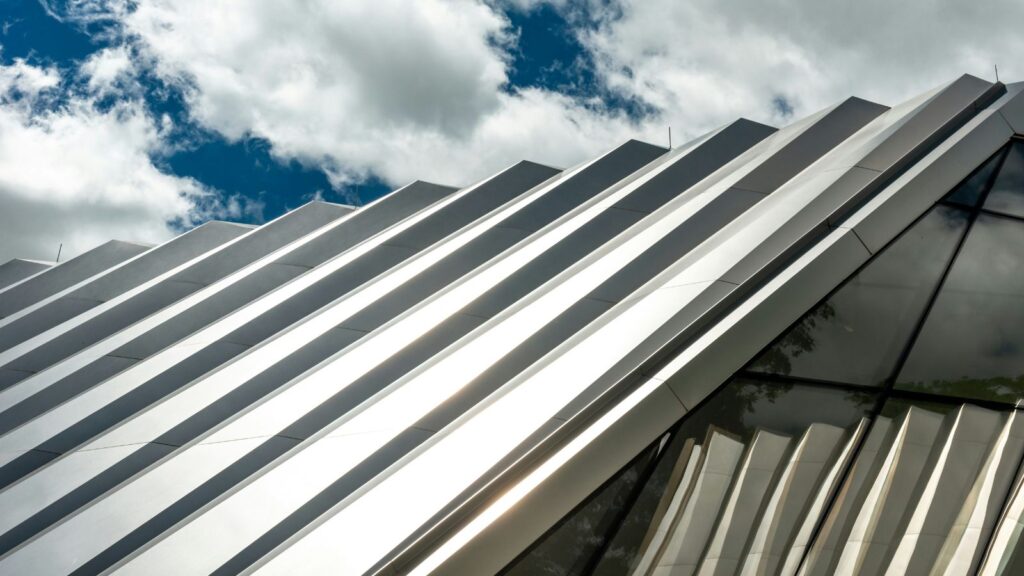
Choosing the right metal decking can shape a building’s durability, efficiency, and overall feel more than many people realize. Whether it’s supporting rooftop equipment or forming a dependable base for composite floors, the deck you select sets the tone for long-term performance.
With so many profiles, gauges, and performance needs to consider, it helps to understand what truly affects quality and longevity. This guide walks you through the essentials.
Understanding What Makes Decking Perform
Metal decking functions as a structural surface, so its performance depends on how it behaves under weight and movement. Roof decks must resist wind uplift, temperature shifts, foot traffic, and the added weight of mechanical units. Floor decks rely on predictable stiffness, strong composite action with concrete, and the ability to handle vibration without feeling unstable.
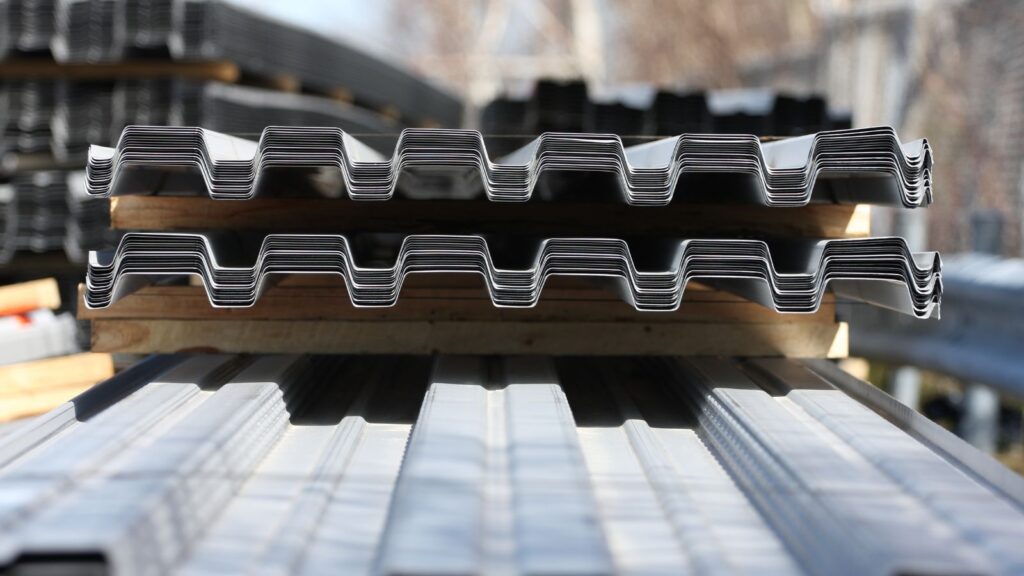
Much of the selection process comes down to profile depth and gauge. Deeper profiles cover longer spans, while thicker gauges increase capacity when loads are high. Rib geometry also matters because it affects how concrete locks into place in composite systems.
Key Considerations During Selection
- Span and support spacing
- Required load capacity
- Ideal deck depth and gauge
Balancing Strength and Design Flexibility
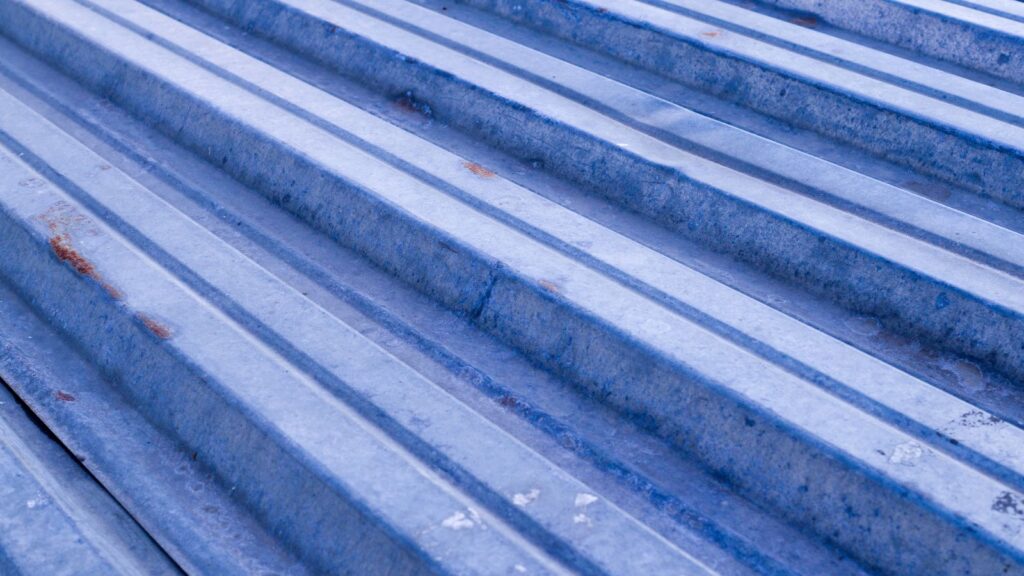
Modern construction puts new demands on decking. Some buildings need exposed soffits for a clean, industrial look. Others require higher load ratings for rooftop features, green roof systems, or heavier concrete slabs.
During this stage, working with a knowledgeable metal decking supplier becomes especially helpful. They can recommend gauge-specific options, verify whether a profile can handle added loads, and ensure the deck aligns with both engineering needs and architectural plans.
Design flexibility also matters. A profile that works well over long spans in one area might be too deep for another part of the building, where headroom is limited. Early coordination helps avoid redesigns and keeps schedules moving smoothly.
Choosing Decking That Supports Modern Construction
Today’s projects demand performance beyond simple structural support. Green roofs add moisture and soil loads. High-rise buildings rely on consistent floor stiffness.
Even sustainability goals come into play, since specific coatings and finishes can extend the lifespan of decking and reduce maintenance needs. Modern designs also require decking that works with evolving mechanical layouts, integrated systems, and tighter energy performance standards, which makes early coordination even more important.
Thinking through these needs helps builders select decking that stays reliable throughout the building’s life.
How Metal Decking Contributes to Long-Term Value
Metal decking does more than support loads during construction. It also influences how well a building ages over time. Strong composite action can reduce cracking in concrete slabs, while quality coatings help resist corrosion in demanding environments.
Builders who choose profiles that simplify future maintenance, facilitate utility routing, and support potential renovations create structures that remain adaptable for decades. This long-term value often becomes one of the most overlooked advantages of choosing the right deck.
Conclusion
Selecting the right metal decking sets a strong foundation for reliable roofs, efficient floor systems, and smooth construction planning. When builders align the deck’s profile, gauge, and performance needs with the project’s goals, the structure benefits both immediately and long term.
A focus on durability, load demands, and design flexibility leads to solutions that support modern construction with confidence. This approach keeps projects moving forward with clarity and purpose.
More Stories
How to Plan an Aging in Place Remodel That Works
From First Build to 1,800 Homes: What It Takes to Become a Trusted Queensland Home Builder
Window Coverings That Actually Match Your Home’s Design