
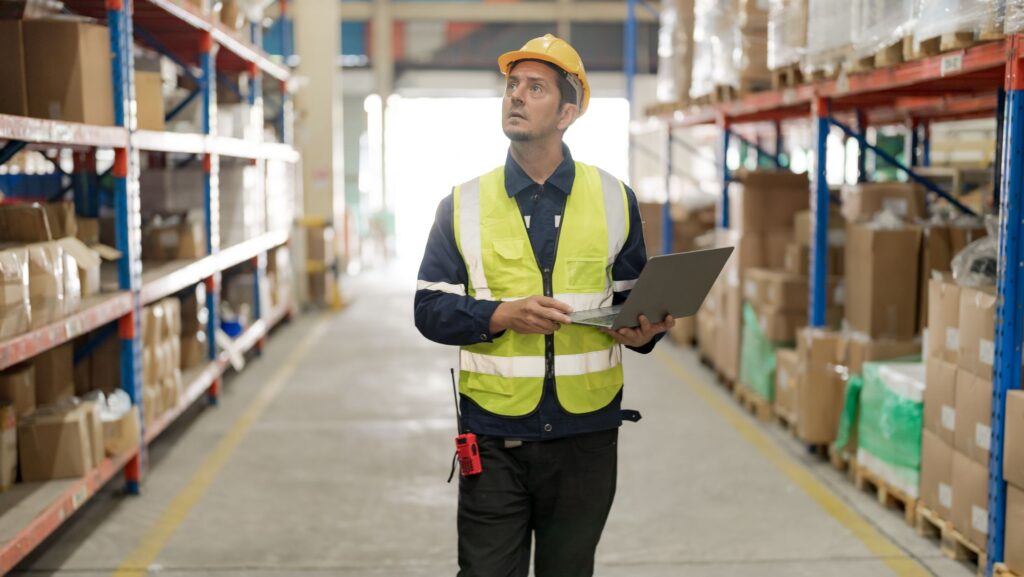
Modern industrial facilities rely on complex systems working together to maintain safety, efficiency, and productivity. From manufacturing plants to distribution centers, every component plays a role in daily operations. When one system fails, it can lead to downtime, safety hazards, and costly repairs. Understanding which systems require consistent attention allows facility managers to reduce risks, meet compliance standards, and improve long-term performance.
The Importance of Preventive Maintenance in Industrial Settings
Preventive maintenance is the foundation of a reliable facility. Rather than waiting for systems to fail, regular inspections and servicing help detect issues early. This proactive approach reduces emergency repairs, extends equipment lifespan, and improves worker safety.
Preventive maintenance also supports regulatory compliance. Many industrial standards require documented inspections and service records. By implementing structured maintenance schedules, facilities avoid penalties while ensuring smooth daily operations.
Structural and Building Integrity Systems
A facility’s structure supports every other system inside it. Roofs, walls, foundations, and load-bearing elements must be inspected regularly for cracks, corrosion, or material fatigue. Weatherproofing protects internal systems from moisture, extreme temperatures, and environmental exposure.
Neglecting structural integrity can lead to leaks, insulation failure, or even dangerous collapses. Industrial buildings also face vibration from heavy machinery, making reinforcement and periodic evaluations essential.
Electrical System and Power Infrastructure
The electrical system is the backbone of modern industrial operations. It powers machinery, lighting, climate control, security systems, and communication networks. Any disruption can halt production instantly.
Key components include power distribution panels, transformers, wiring networks, grounding systems, and surge protection devices. Load management is critical. Overloaded circuits can cause overheating, fires, and equipment damage. Backup generators and uninterruptible power supplies help maintain operations during outages.
Routine inspections identify worn cables, loose connections, and outdated components before they fail. Facilities should also ensure their systems meet current safety codes and energy efficiency standards.
HVAC and Climate Control Systems
Industrial HVAC systems do more than regulate temperature. They control humidity, manage air quality, and protect sensitive equipment from overheating or condensation. Poor ventilation can lead to airborne contaminants that affect employee health and product quality.
Climate control is especially important in facilities storing chemicals, pharmaceuticals, or food products. Inconsistent temperatures can compromise materials and reduce shelf life. Regular filter replacement, duct inspections, and airflow testing keep systems performing efficiently.
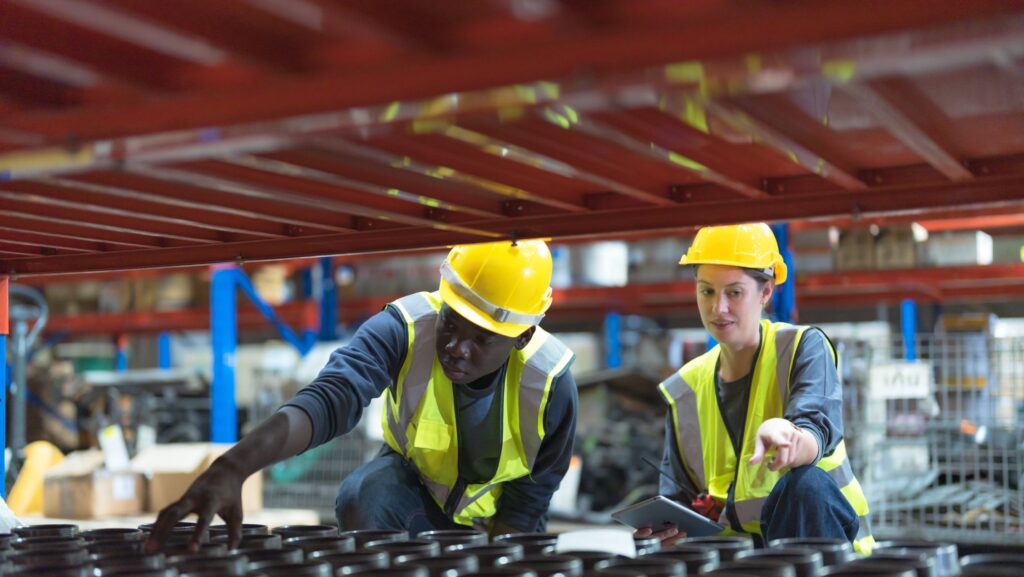
Rigid Insulation System
Rigid insulation plays an important role in maintaining energy efficiency and temperature stability in industrial facilities. Unlike traditional insulation materials, rigid panels provide consistent thermal resistance, moisture control, and structural support. These boards are commonly used on walls, roofs, and foundations to reduce heat transfer and prevent condensation buildup.
One of the most effective options is foam board insulation, which offers high insulating value while remaining lightweight and durable. Proper installation of rigid insulation helps lower heating and cooling costs, protects internal systems from temperature fluctuations, and improves overall building performance.
Plumbing and Water Management Systems
Water plays a critical role in many industrial processes. Facilities depend on a reliable water supply for cooling, cleaning, and manufacturing operations. Drainage systems must handle waste safely without causing backups or leaks.
Corrosion, mineral buildup, and pressure fluctuations can damage pipes over time. Routine inspections prevent burst lines, flooding, and contamination. Modern facilities also use smart sensors to detect leaks early, reducing water waste and repair costs.
Fire Protection and Safety Systems
Fire protection systems are legally required in most industrial environments. These include smoke detectors, alarm systems, sprinklers, and specialized suppression systems for chemical or electrical fires.
Emergency exits, illuminated signage, and evacuation routes must remain accessible at all times. Regular drills ensure employees understand procedures. Inspections verify that extinguishers are charged, alarms function properly, and sprinkler heads are unobstructed.
Security and Access Control Systems
Industrial facilities often store valuable materials, equipment, and sensitive data. Security systems protect both physical assets and personnel. Surveillance cameras, motion sensors, and access control systems prevent unauthorized entry.
Modern facilities use badge systems, biometric scanners, and centralized monitoring platforms. These tools help track movement, prevent theft, and improve accountability. Cybersecurity also plays a crucial role, especially for facilities that utilize connected devices.
Machinery and Equipment Monitoring Systems
Heavy machinery is central to industrial operations. Predictive maintenance tools use sensors to track vibration, temperature, pressure, and noise levels. These indicators reveal early signs of mechanical failure.
By monitoring performance in real time, facilities can schedule repairs before breakdowns occur. This reduces downtime, prevents accidents, and extends the life of equipment. Data from these systems also helps improve workflow efficiency.
Data and Communication Systems
Communication systems keep teams connected and informed. Network infrastructure supports everything from internal messaging to cloud-based monitoring dashboards.
Data systems track production output, energy usage, and maintenance schedules. A reliable network ensures that this information is accessible when needed. Cybersecurity measures protect sensitive operational data from breaches.
Environmental Control and Compliance Systems
Environmental regulations affect most industrial facilities. Emissions control, waste management, and noise reduction systems ensure compliance with local and national standards.
Sustainability is also becoming a priority. Energy-efficient lighting, water recycling, and smart energy management systems reduce environmental impact while lowering operating costs.
Creating a Long-Term Systems Maintenance Strategy
A long-term maintenance strategy ties all systems together. This includes scheduled inspections, digital tracking tools, staff training, and partnerships with qualified service providers.
Facilities should regularly review their systems as technology evolves. Upgrades improve efficiency, safety, and scalability. A well-maintained facility is more resilient, more productive, and better prepared for future growth.
More Stories
Long-Term RV Storage: Why Structure Height Matters
How to Plan a Micro Cafe Kitchen in 60 Square Feet
How Delivery to Europe Works Step by Step