
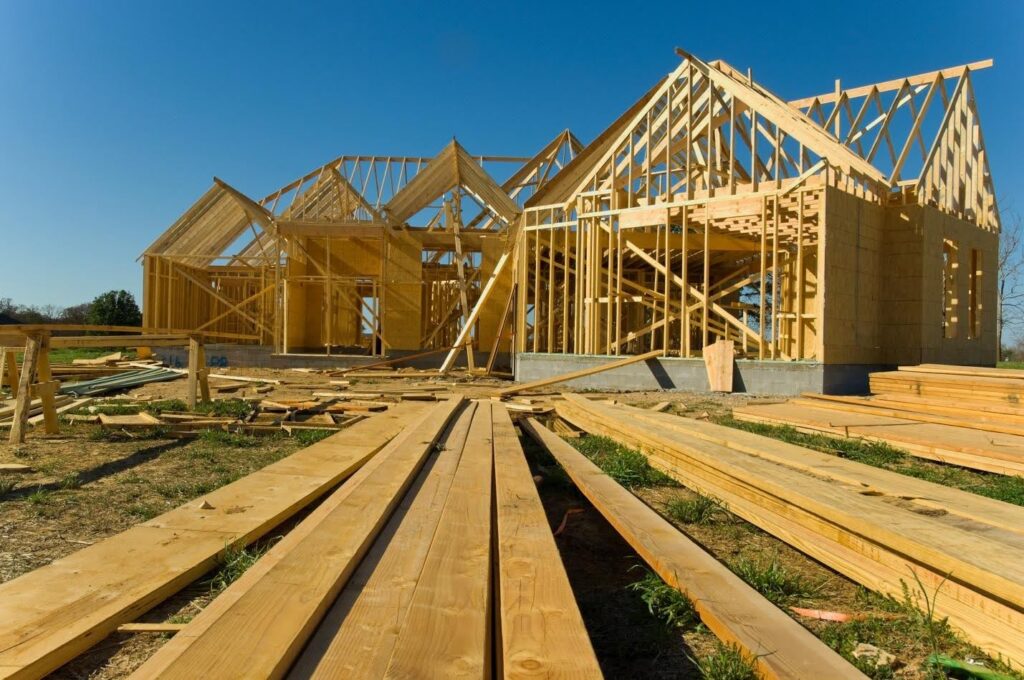
Starting a construction project requires careful planning, attention to detail, and a clear understanding of the objectives. Many projects encounter delays or budget overruns due to poor early-stage decisions. By approaching the project methodically, property owners, developers, and contractors can ensure a smoother process, reduce risks, and lay the groundwork for long-term success. From evaluating the site to hiring the right specialists, each step matters in achieving a safe and efficient construction project.
Defining the Scope and Objectives
The first step in any construction project is defining its scope and objectives. Project goals should be clearly outlined, including the type of structure, design requirements, and desired functionality. Budget considerations are essential to prevent cost overruns, and timelines should be realistic based on the complexity of the project. Identifying stakeholders, assigning responsibilities, and establishing decision-making authority ensures accountability and reduces misunderstandings later in the process.
Site Evaluation and Feasibility Studies
Before construction begins, conducting a thorough site evaluation is critical. Land surveys and soil testing help determine if the property can safely support the planned structure. Environmental assessments identify potential hazards such as contamination, flooding, or protected wildlife habitats. Structural evaluations of existing buildings or infrastructure help anticipate challenges. Proper feasibility studies ensure that the project is viable and can help prevent costly surprises once construction begins.
Permits, Zoning, and Regulatory Compliance
Navigating permits, zoning laws, and regulatory requirements is an essential part of starting a construction project. Local authorities often have strict building codes, environmental regulations, and safety requirements. Ensuring compliance before work begins avoids legal issues and potential fines. Working closely with inspectors and regulatory agencies guarantees that your project aligns with community standards and safety regulations from the start.
Emergency Demolition and Why It Matters
In some construction projects, emergency demolition may be necessary to remove unsafe or unstable structures. For those unfamiliar with the concept, it is important to understand what is emergency demolition. This process involves the rapid removal of buildings or structural elements that pose immediate risks to workers, the public, or surrounding property. Emergency demolition is often required after structural damage caused by fire, severe weather, or accidental collapse.
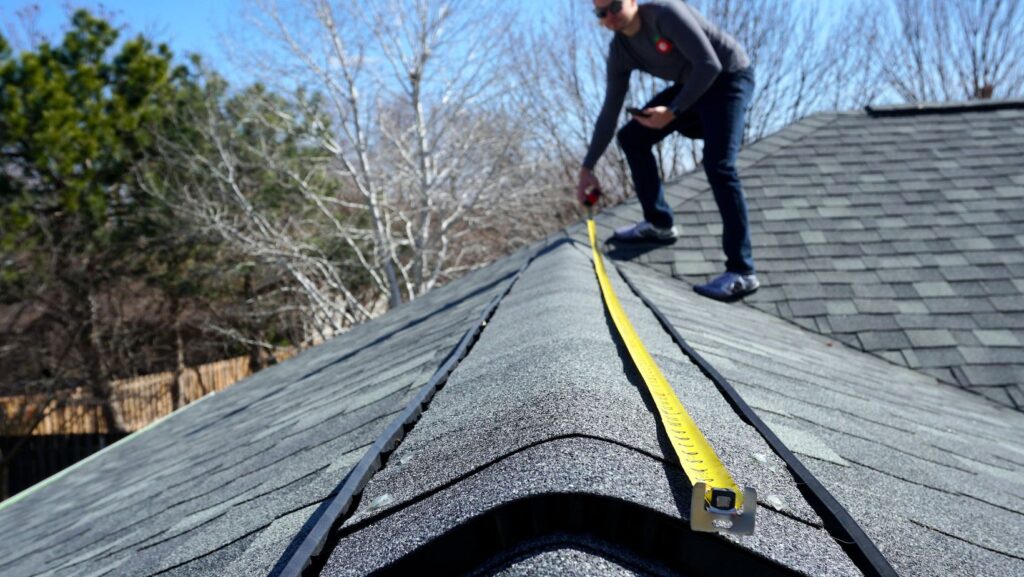
Safety is the primary concern during emergency demolition. Trained professionals use specialized equipment and follow strict protocols to prevent injuries and further property damage. Legal and environmental considerations also play a role, as debris disposal and hazardous material handling must comply with regulations. Including emergency demolition in your planning ensures that your project can proceed safely even when unforeseen structural hazards arise.
Standard Demolition and Site Clearing
In addition to emergencies, standard demolition and site clearing are crucial steps in preparing a construction site. Selective demolition targets specific parts of a building, such as interior walls or fixtures, while full demolition removes the entire structure. Deconstruction is another approach that emphasizes reusing materials for sustainability. Efficient debris removal and proper waste management maintain a safe and organized worksite and may reduce disposal costs. Incorporating recycling practices whenever possible supports environmentally responsible construction.
Utility Disconnections and Infrastructure Planning
Before starting major construction, all utilities must be carefully managed. Gas, water, and electrical lines require safe disconnection or rerouting to prevent accidents. Sewer and drainage systems must be assessed and planned to support new structures. Temporary power solutions may be necessary to maintain operations during construction. Proper planning minimizes service disruptions and prevents costly accidents or repairs.
Safety Planning and Risk Management
Safety is a non-negotiable aspect of any construction project. Compliance with OSHA standards and local regulations protects workers and the public. Implementing clear safety protocols, providing personal protective equipment, and developing emergency response plans reduces the risk of injuries and project delays. A culture of safety ensures that the worksite remains productive and secure throughout the construction process.
Hiring the Right Contractors and Specialists
The success of a construction project heavily depends on the expertise of contractors and specialized teams. General contractors manage overall operations, while specialists handle electrical, plumbing, or structural work. Verifying licensing, insurance, and experience ensures reliability and quality. Clear contracts with defined expectations protect both the client and the contractor and help avoid disputes during construction.
Budgeting, Scheduling, and Resource Allocation
Realistic budgeting and scheduling prevent delays and financial strain. Establishing a contingency plan helps accommodate unforeseen costs. Proper resource allocation ensures that materials, equipment, and personnel are available when needed. Strategic planning allows the project to progress smoothly and avoids downtime that can disrupt timelines and increase costs.
Communication and Project Coordination
Effective communication keeps everyone aligned. Regular updates, reporting structures, and documentation help track progress. Coordinating vendors and subcontractors ensures tasks are completed on time and according to standards. Clear communication between stakeholders reduces misunderstandings and supports problem-solving before issues escalate.
Setting the Foundation for Long-Term Success
Early decisions in a construction project have lasting effects on quality, safety, and efficiency. Prioritizing planning, safety, and proper systems ensures that the project meets expectations and regulatory requirements. By following a structured approach, construction teams can reduce delays, avoid cost overruns, and build a facility designed for future growth and sustainability. Starting the project the right way sets the stage for long-term operational success.
More Stories
How to Plan an Aging in Place Remodel That Works
From First Build to 1,800 Homes: What It Takes to Become a Trusted Queensland Home Builder
Window Coverings That Actually Match Your Home’s Design