
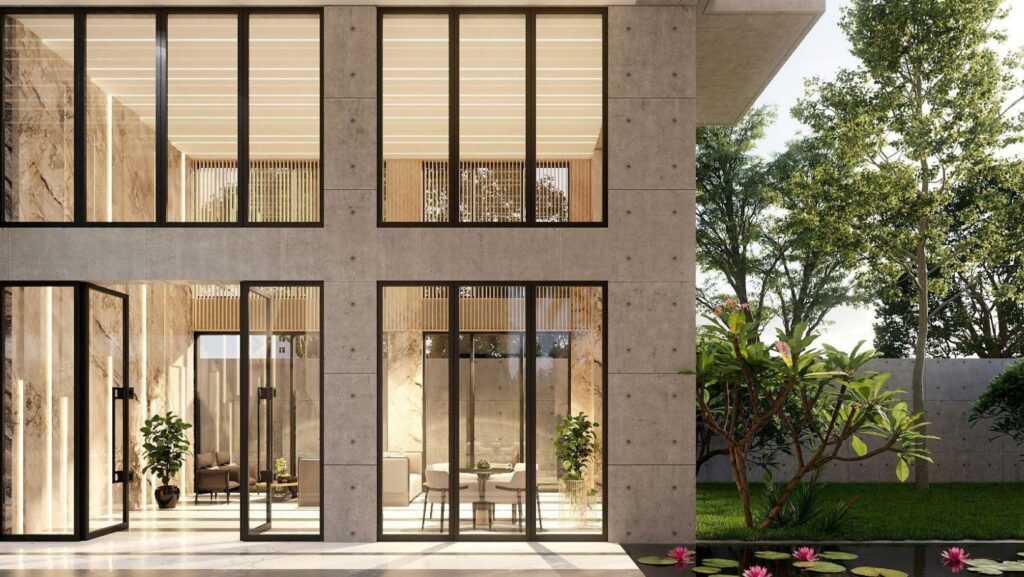
Architectural periods are defined by certain materials. For centuries, home construction was dominated by timber. In the last decades of the 20th century, uPVC changed the market for replacement windows. Aluminium has become the standard frame material for modern home design, valued for features that no other product can match. Every decision that follows is made clearer for architects and homeowners looking for aluminium double glazed windows that actually serve a modern aesthetic by knowing what the material offers and why it performs the way it does.
The Case for Slim Profiles
Aluminium’s exceptional strength-to-weight ratio allows frame profiles to be considerably narrower than equivalent uPVC or timber sections carrying the same structural load. This distinction matters enormously in contemporary architecture, where the visual relationship between glass and frame determines whether a window reads as open and expansive or heavy and compartmentalised.
A uPVC frame supporting a large glazed panel requires substantial material depth to remain rigid. The same panel held within an aluminium frame achieves equivalent structural performance with a fraction of the visible material. From inside, this translates to sightlines that feel almost absent, allowing views to read as continuous rather than divided by chunky frame sections.
Large Glass Areas and Natural Light
Natural light is increasingly being treated as a key spatial material in modern residential design, rather than a utilitarian requirement. Rooms are orientated, volumes are formed, and apertures are placed for maximum daylight penetration throughout the day. Aluminium framing allows this aim by allowing for glass panels of a size that conventional frame materials struggle to sustain without adding obvious bulk.
Aluminium makes it possible to achieve floor-to-ceiling glazing, corner windows where two glass panels meet without an intermediate post, and enormous fixed panels flanking tiny opening sections in ways that appear visually resolved rather than structurally compromised. As intended by the architecture, the glass attracts attention as the frame recedes.
Thermal Performance in Modern Systems
Despite their structural and aesthetic benefits, early aluminium windows were inappropriate for livable spaces because they transferred cold easily. By adding an insulating barrier inside the frame profile that completely separates the inner and exterior metal sections: modern thermally broken aluminium systems immediately solve this.
The frame cannot function as a direct conductive channel between the interior warmth and the exterior cold because of this thermal break. When current products are appropriately specified, the historical objection to aluminium on energy grounds is essentially rendered irrelevant because modern aluminium systems attain thermal performance numbers competitive with high-quality uPVC products.
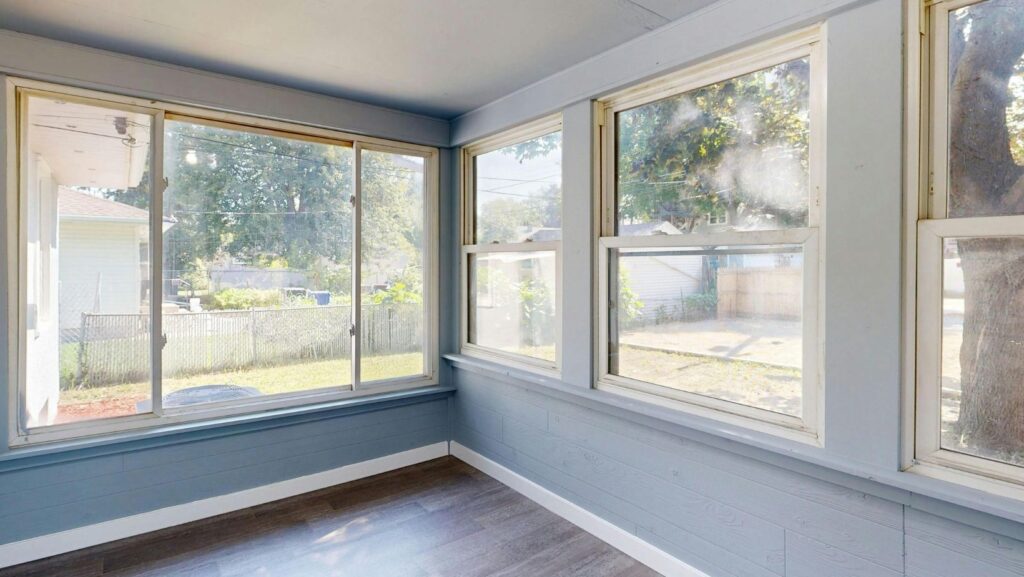
When thermally broken frames are combined with high-efficiency glass units, a comprehensive window system is created that simultaneously meets energy performance standards and aesthetic goals.
Durability and Low Maintenance
When exposed to moisture and temperature changes, aluminium does not decay, deform, or swell. To preserve their protective surface, timber frames need to be repainted or restained on a regular basis. Over time, uPVC may become discoloured, especially in south-facing orientations where prolonged exposure to UV light deteriorates the surface finish.
Aluminium frames with powder coating provide a finish that is resistant to weathering, fading, and chipping even after decades of exposure. The only maintenance needed is the occasional cleaning. Paint applied to other materials cannot match the coating’s long-lasting attachment to the aluminium surface since it is applied electrostatically and cured at a high temperature.
Because of its longevity, aluminium is especially suitable for exposed areas, seaside settings, and properties where maintenance access is challenging or where owners just want a material that takes care of itself.
Colour and Finish Possibilities
Aluminium frames can be coated in almost any colour within the normal RAL and BS ranges thanks to powder painting technology. Anthracite grey is now closely linked to modern aluminium window installations, which go well with the zinc, steel, concrete, and wood cladding materials that are frequently used in contemporary residential design.
Frames can independently match both the exterior material palette and inside design schemes thanks to dual colour options, where inside and outside frame surfaces have separate finishes. While maintaining a strong contemporary outside character, a white inside finish combined with a black exterior frame keeps interior areas feeling airy and tidy.
Where Aluminium Works Best
Aluminium framing is appropriate for contemporary new buildings, modern expansions to period properties, and renovation projects in which the design objective is explicitly forward-looking rather than historically referenced. It creates windows that support ambitious architectural concepts without needing sacrifice in any one area due to its blend of visual restraint, structural capabilities, colour flexibility, and long-term durability.
Properties with big apertures, minimal frames, and extended service life are ideal for aluminium glazing systems, and the material regularly meets all three requirements when properly planned and installed.
More Stories
How Premium Upgrades Can Enhance the Beauty of Smart Homes
LOA Construction vs Kidd Roofing vs Ja-Mar Roofing: Which Reputable Austin Roofing Contractor Is Best Overall?
Viking vs Austex vs Purple: Local Residential Fencing Companies in Austin Reviewed (2026)