
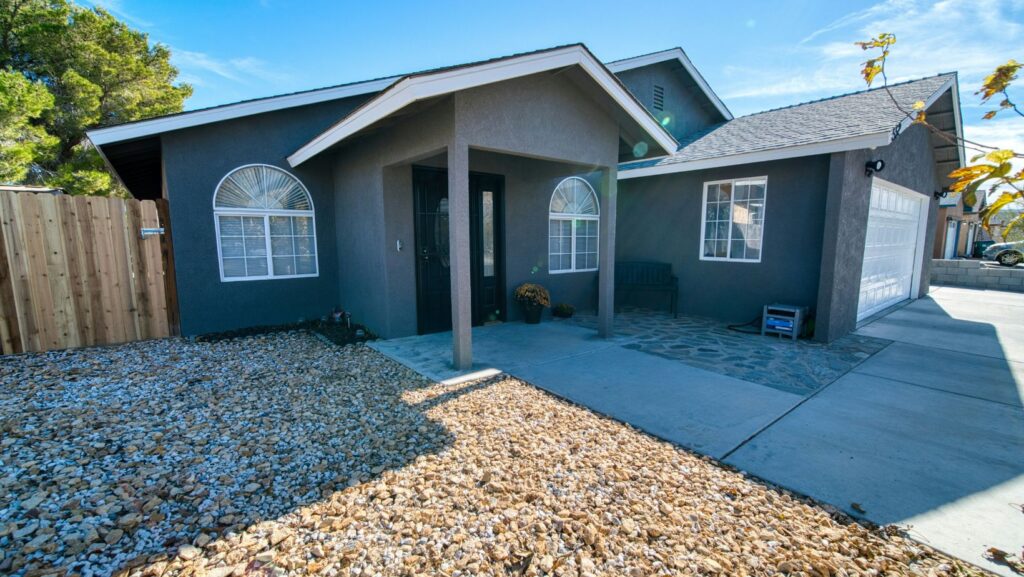
Spring has a way of resetting the housing market. Listings feel fresher, buyers are more active, and homes tend to sell faster. But that doesn’t happen by accident. The properties that stand out in spring aren’t necessarily the biggest or most expensive—they’re the ones that make the strongest first impression within seconds.
If you look closely at real buyer behavior, a clear pattern emerges: most decisions begin emotionally, not logically. Before buyers analyze square footage or layout, they react to what they see from the curb. That initial reaction often determines whether they book a showing or keep scrolling.
So what actually drives that reaction?
Let’s break down the specific elements that consistently influence buyers in spring—and why they matter more than most sellers realize.
The First 7 Seconds: Why Curb Appeal Is Emotional
Buyers don’t evaluate a home objectively at first glance. Instead, they ask themselves a simple, instinctive question: “Does this feel like a place I could live?”
Spring amplifies this effect. With more listings on the market, buyers make faster decisions about which homes deserve attention. Visual clarity, freshness, and care signal value immediately. Neglect, even in small ways, signals potential problems.
This is why curb appeal isn’t just about aesthetics—it’s about trust.
Landscaping: The Strongest Visual Signal
Nothing influences curb appeal in spring more than landscaping. Buyers are highly sensitive to outdoor presentation because it reflects ongoing maintenance habits.
What Buyers Notice First:
- Lawn condition (green, even, recently cut)
- Defined edges along walkways and driveways
- Healthy plants and seasonal flowers
- Absence of weeds and dead patches
Spring buyers expect growth and life. A yard that looks dormant or neglected creates doubt about the rest of the property.
What Actually Works:
You don’t need elaborate landscaping. Simplicity wins. A clean, well-maintained lawn with a few intentional touches—like fresh mulch or neatly trimmed shrubs—feels more inviting than an overdesigned yard.
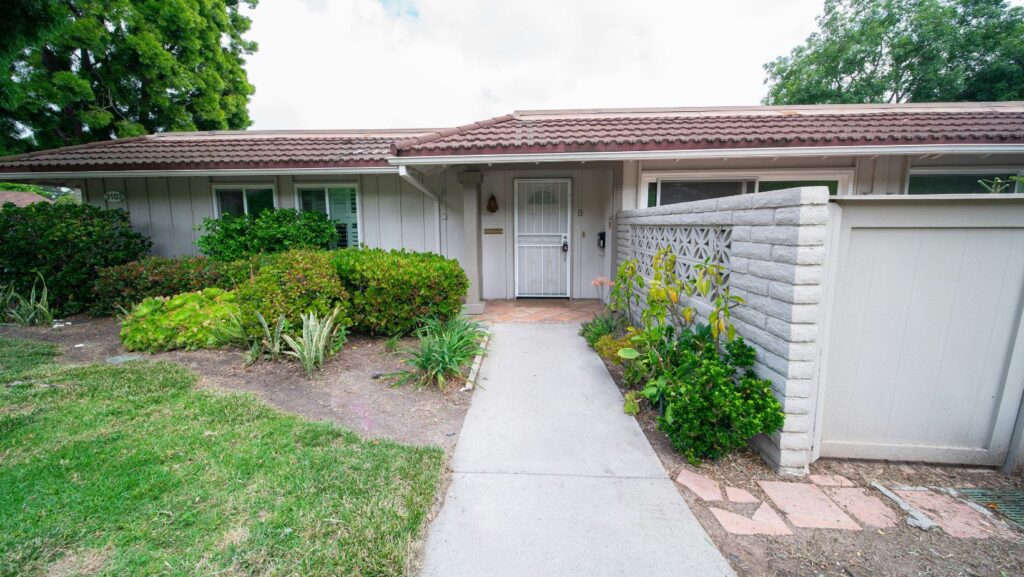
Color also plays a psychological role. Subtle pops of seasonal flowers near the entrance or along the path create warmth without overwhelming the space.
Entryways: Where Buyers Form Their First Judgment
The front door area is where emotional connection either strengthens or breaks.
Buyers tend to pause—literally or mentally—when they reach the entryway. This is where they start imagining themselves entering the home daily.
Key Elements That Stand Out:
- Clean, freshly painted or well-maintained front door
- Updated or polished hardware
- Symmetry (matching planters, lighting, or décor)
- A clear, unobstructed path
A cluttered or worn entryway creates friction. Buyers may not consciously articulate it, but it subtly lowers their expectations for the interior.
Small Changes, Big Impact:
Even minor upgrades—like replacing a dated door handle or adding a simple welcome mat—can elevate perception significantly. The goal isn’t decoration; it’s clarity and care.
Lighting: Often Overlooked, Highly Influential
Lighting rarely gets attention in curb appeal discussions, but buyers notice it more than sellers expect.
In spring, many showings happen in late afternoon or early evening. Exterior lighting affects how safe, modern, and welcoming a home feels.
What Buyers Pick Up On:
- Outdated or mismatched fixtures
- Dim or uneven lighting
- Dirty or fogged light covers
What Improves Perception:
- Clean, consistent fixtures
- Warm, balanced lighting tones
- Functional pathway illumination
Lighting contributes to what buyers interpret as “move-in readiness.” If fixtures look dated or neglected, it raises questions about hidden maintenance issues.
Surface Condition: The Silent Deal Maker (or Breaker)
This is where many homes lose buyer interest without sellers realizing why.
Surfaces—driveways, siding, walkways, fences—create a visual baseline. When they’re clean and well-maintained, everything else feels more valuable. When they’re dirty or worn, even upgraded features feel diminished.
What Buyers Notice Instantly:
- Stains on driveways and walkways
- Dirt buildup on siding or brick
- Moss, mildew, or discoloration
- Peeling paint or weather damage
These details may seem minor, but they send a powerful message: “This home hasn’t been cared for.”
Why Clean Surfaces Matter More in Spring:
Spring sunlight is unforgiving. It highlights dirt, grime, and imperfections that might go unnoticed in winter. Buyers are also in a “fresh start” mindset, making them more sensitive to cleanliness and upkeep.
This is where practical steps like pressure cleaning services come into play. While it’s not the centerpiece of curb appeal, it’s one of the fastest ways to improve surface condition. A clean driveway or refreshed exterior can dramatically change how the entire property is perceived.
The Role of Consistency in Visual Appeal
One of the biggest mistakes sellers make is focusing on isolated improvements instead of overall consistency.
Buyers don’t evaluate each element separately. They take in the entire scene at once. If one area looks updated but another looks neglected, it creates visual tension.
Example:
- A beautifully landscaped yard paired with a stained driveway
- A freshly painted door with worn-out lighting fixtures
- Clean siding but overgrown edges
Inconsistent presentation makes buyers hesitate. Consistency, even at a modest level, builds confidence.
Decluttering the Exterior: Simplicity Wins
Just like interior staging, exterior clutter affects perception.
Buyers interpret clutter as a lack of space and organization. In spring, when everything feels more open and bright, clutter stands out even more.
Common Issues:
- Too many decorations or garden ornaments
- Visible tools, hoses, or bins
- Crowded porch or entry area
What Buyers Prefer:
- Open, breathable space
- Minimal, intentional design
- Clear pathways and sightlines
Less truly is more when it comes to curb appeal.
Maintenance Signals: What Buyers Read Between the Lines
Curb appeal isn’t just about what buyers see—it’s about what they assume.
Every detail sends a signal:
- A clean lawn suggests routine care
- A well-maintained walkway suggests attention to detail
- Clean surfaces suggest proactive upkeep
On the flip side:
- Dirt and stains suggest deferred maintenance
- Overgrowth suggests neglect
- Broken or worn elements suggest future costs
Buyers often overestimate the cost of visible issues. What might be a simple fix to the seller can feel like a major expense to the buyer.
The “Scroll Test”: How Buyers Decide Online
Before buyers ever visit in person, they see listing photos. And curb appeal plays a huge role here too.
Homes with strong exterior presentation:
- Get more clicks
- Hold attention longer
- Generate more showing requests
In contrast, homes with weak curb appeal are often dismissed instantly—even if the interior is exceptional.
Spring listings are highly competitive. Buyers compare multiple homes quickly, and the exterior photo is often the deciding factor in whether they explore further.
Final Thoughts: Curb Appeal Is About Perception, Not Perfection
The homes that win in spring aren’t perfect—they’re intentional.
They feel clean, cared for, and welcoming. They remove friction from the buyer’s decision-making process. They allow buyers to imagine themselves living there without distraction.
If you focus on what buyers actually respond to—landscaping, entryways, lighting, and surface condition—you don’t need a massive budget to make an impact.
Instead, you need clarity, consistency, and attention to detail.Because in the end, curb appeal isn’t about impressing buyers—it’s about making them feel at home before they even step inside.https://www.google.com/maps?cid=12563603846142278588
More Stories
Why Quick Fixes Fail and How to Ensure Long‑Term Bed Bug Eradication
How Aluminum Windows Enhance Contemporary Home Design
What To Look For When Buying A Custom Wine Cellar In Chicago