
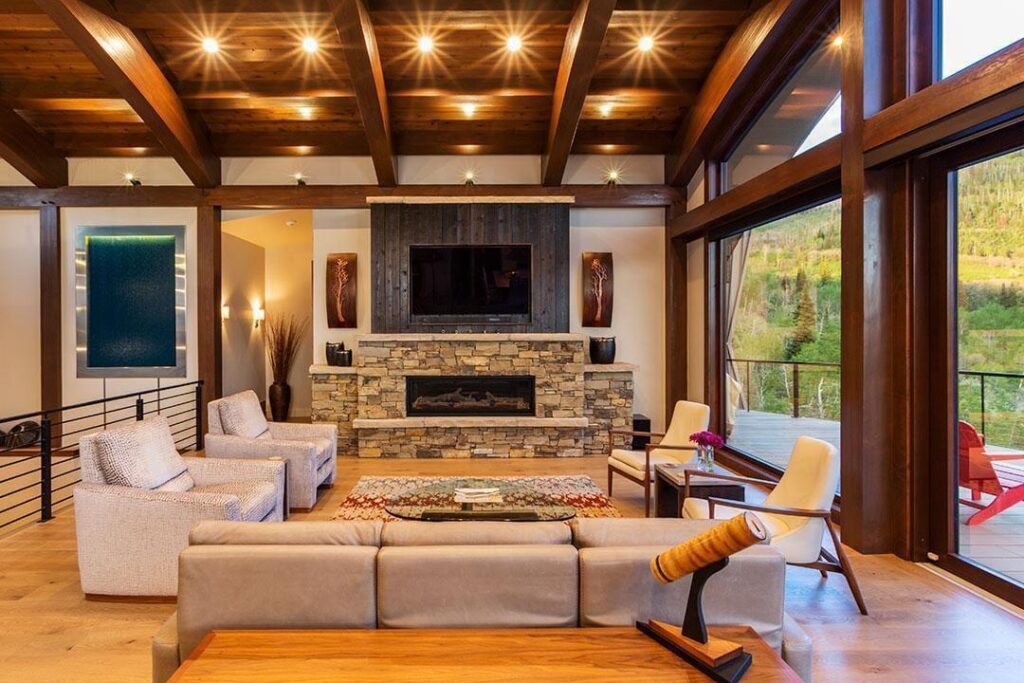
There’s something happening in modern home design that most people don’t immediately notice — yet it changes the entire experience of living in a space. It’s not the countertops, flooring, or even the furniture. More often than not, it’s the lighting.
Across Austin, Texas, homeowners and architects are putting far more thought into how lighting interacts with architecture, mood, and daily life. In many newer homes, lighting is no longer treated as something added at the end of construction. Instead, it’s becoming part of the design language itself.
And honestly, it makes sense.
A home can have beautiful finishes and incredible architecture, but if the lighting feels harsh, uneven, or poorly planned, the entire space can feel off. On the other hand, when lighting is integrated correctly, rooms feel warmer, cleaner, and more functional without people necessarily realizing why.
That shift is especially noticeable in Austin, where modern architecture, Hill Country influences, and indoor-outdoor living continue shaping residential design.
Austin Homes Are Being Designed Differently
Over the last several years, Austin’s residential landscape has evolved quickly. Neighborhoods like West Lake Hills, Bee Cave, Tarrytown, and areas surrounding Lake Travis are seeing a wave of custom homes and major renovations that focus heavily on open layouts and natural light.
These homes often include:
● Oversized windows
● Vaulted ceilings
● Minimalist interiors
● Large kitchens connected to living spaces
● Outdoor patios designed for entertaining
● Smart home technology integration
While those features create visually impressive homes during the daytime, they also create unique lighting challenges at night.
Open floor plans, for example, require layered lighting instead of relying on one central fixture. Large glass walls and tall ceilings can create shadows or uneven brightness if fixtures are poorly positioned. Outdoor entertaining areas need weather-resistant lighting systems that feel inviting without becoming overly bright or distracting.
This is why lighting design has become such an important conversation early in the planning process.
The Difference Between “Lighting” and Lighting Design
A lot of people assume lighting simply means adding enough fixtures to brighten a room. But there’s a big difference between basic lighting installation and intentional lighting design.
Good lighting design considers:
● How a room is used throughout the day
● Where natural light enters the home
● The mood the homeowner wants to create
● Ceiling heights and architectural features
● Furniture placement
● Energy efficiency
● Smart controls and dimming systems
For example, a kitchen island may need focused task lighting while adjacent living areas benefit from softer ambient illumination. A hallway may require subtle lighting for safety at night without feeling clinical or overly bright.
In many newer Austin homes, recessed lighting is combined with pendant fixtures, accent lighting, under-cabinet LEDs, and dimmable controls to create more depth and flexibility.
When all of those elements work together, the space simply feels more comfortable.
Why Electrical Planning Matters More Than Most Homeowners Realize
Behind every well-designed lighting system is careful electrical planning.
This is the part many homeowners never see. They notice the final fixtures, but not the coordination happening behind the walls.
Modern homes place far more demand on electrical systems than homes built 20 or 30 years ago. Between smart devices, entertainment systems, EV chargers, home offices, and advanced appliances, today’s electrical layouts require strategic planning to support both aesthetics and performance.
In Austin, older neighborhoods like Hyde Park or Travis Heights sometimes include homes with outdated wiring or undersized electrical panels that were never intended to handle modern energy demands.
Meanwhile, newer custom homes often incorporate:
● Smart lighting systems
● Automated shades
● Landscape lighting
● Whole-home audio
● Security integration
● Advanced kitchen appliances
All of these systems need properly balanced circuits and thoughtful installation.
That’s one reason many architects and homeowners prefer working with a licensed electrician in Austin, TX during the design phase rather than waiting until construction is nearly complete. It allows lighting plans, fixture placement, and electrical capacity to work together instead of competing with one another later.
Outdoor Living Is Changing Electrical Design in Texas
Austin’s climate has also influenced the way lighting systems are being designed.
Because outdoor living plays such a large role in Central Texas homes, patios, pool areas, outdoor kitchens, pergolas, and landscape lighting have become major priorities for homeowners.
But outdoor electrical work requires more than simply installing a few fixtures.
Heat, storms, humidity, and long-term sun exposure all affect outdoor systems over time. Proper grounding, weather-resistant materials, surge protection, and strategic fixture placement are essential for both safety and durability.
This becomes especially important in Hill Country properties near Lake Travis or more rural parts of the Austin area where homes may experience heavier storm exposure or longer electrical runs.
The goal isn’t simply to light outdoor areas. It’s to create spaces that feel comfortable, safe, and usable long after the sun goes down.
Smart Homes Continue Driving New Trends
One of the biggest changes happening in residential electrical design is the growth of smart home technology.
Homeowners increasingly want lighting systems that can:
● Adjust automatically throughout the day
● Be controlled remotely from smartphones
● Integrate with voice assistants
● Improve energy efficiency
● Create preset scenes for entertaining or relaxing
In Austin’s luxury and modern home market, these systems are becoming expected rather than optional.
But smart systems also require stronger infrastructure and cleaner electrical planning than many older homes currently have.
Retrofitting technology into an outdated electrical system can quickly become complicated if the original layout wasn’t designed with expansion in mind.
That’s why newer projects are focusing more heavily on future-proofing homes during construction and renovation phases.
Lighting Impacts More Than Appearance
One of the more interesting things about lighting is how deeply it affects everyday living.
It influences:
● Productivity
● Relaxation
● Mood
● Sleep patterns
● Visual comfort
● Entertaining spaces
● Home value
A poorly lit room can feel smaller, colder, or less inviting even if the architecture itself is beautiful.
On the other hand, thoughtful lighting often makes spaces feel larger and more connected while quietly enhancing textures, materials, and architectural details.
Many homeowners don’t fully realize the impact until they experience the difference firsthand.
Final Thoughts
Modern homes in Austin continue evolving toward cleaner design, smarter technology, and more intentional living spaces. As architecture becomes more refined, lighting and electrical planning are playing a larger role in shaping how homes function day to day.
When electrical systems and lighting design are considered early in the process, the result is usually a home that feels more natural, comfortable, and cohesive.
And while most people may never think about what’s happening behind the walls, they absolutely notice the difference when everything works together the way it should.
More Stories
Ductless HVAC Systems: The 2026 Guide To Smarter, More Efficient Home Comfort
The Brisbane Move-In Week Nobody Warns You About
Escrow Accounts and Buyer Protections: What Abu Dhabi’s New Real Estate Regulations Mean for Off-Plan Investors