
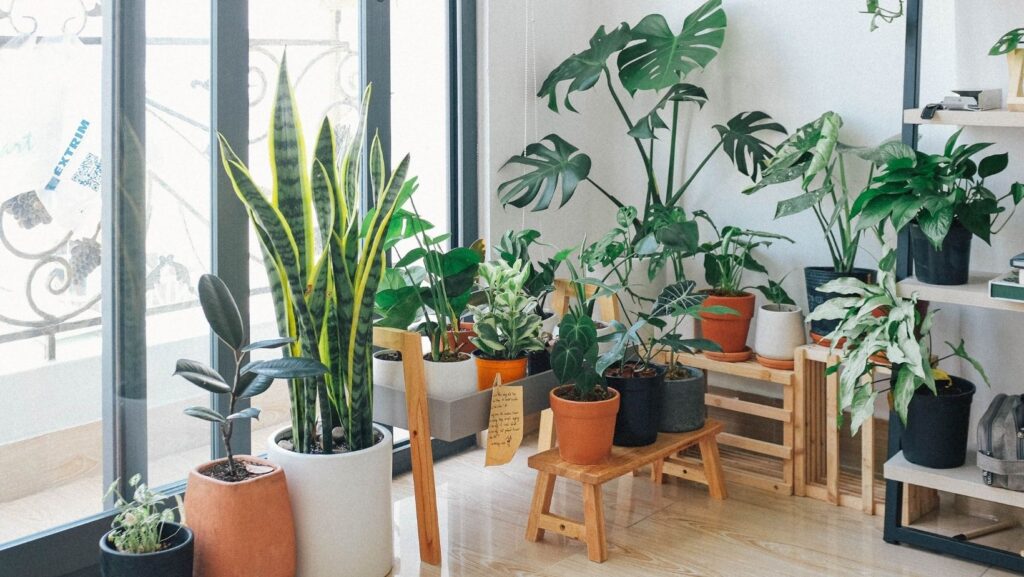
Picking a houseplant that actually thrives indoors is trickier than it sounds. Plants that look perfectly healthy at the nursery can start declining within weeks of coming home—and more often than not, the culprit is placement in the wrong light. Matching your plant selection to your home’s natural lighting is one of the most reliable ways to set yourself up for long-term success and sidestep a lot of unnecessary frustration. Popular indoor plants like potted orchids can adapt well to a range of indoor settings when placed thoughtfully, which is why developing an eye for light conditions is such a practical skill for any plant owner to build.
Why Light Matters More Than Most New Plant Owners Realize
Light drives nearly every aspect of a plant’s health—its growth rate, flowering, leaf color, and even how quickly the soil dries between waterings. A plant placed in the wrong spot will often show symptoms that look like disease or overwatering, when the real problem is simply a light mismatch.
The four main indoor light categories are:
– Low light: away from windows, with minimal natural brightness
– Medium or indirect light: near a window but shielded from direct sun
– Bright indirect light: close to a bright window without harsh, direct rays
– Direct sun: unobstructed sunlight falling on the plant for several hours each day
A surprising number of so-called “easy care” failures trace directly back to misreading which of these categories a room actually falls into.
How to Assess the Light in Your Home
Rather than guessing, take time to observe how sunlight moves through each room over the course of a full day. A south-facing room typically receives more intense, longer-lasting light than a north-facing one, which can remain firmly in low-light territory even close to the window. Distance from the glass matters more than most people expect—light intensity drops off quickly as you move further into a room.
Quick Light Check
– Does direct sunlight fall on the floor or walls at any point during the day?
– How far is the intended plant spot from the nearest window?
– Are curtains, trees, or nearby buildings blocking the glass?
– Does the room feel bright enough to read comfortably without turning on a light?
Best Houseplants for Each Light Condition
Low-light tolerant plants—pothos, ZZ plants, and cast iron plants among them—survive in dimmer rooms because they evolved on shaded forest floors. For medium indirect light, peace lilies and philodendrons are reliably forgiving performers that reward consistent care without demanding perfect conditions. Bright indirect light suits snake plants, spider plants, and many tropical varieties that appreciate warmth but would scorch under direct rays. True sun-lovers—succulents, cacti, and most culinary herbs—need unobstructed sunlight to stay compact and healthy. Some plants tolerate a wider range of conditions than others, which makes them especially practical choices when your home’s lighting is hard to predict or control.
Matching Plant Choice to Your Lifestyle
Light is only one piece of the puzzle. A busy apartment dweller who travels frequently will benefit most from drought-tolerant plants like ZZ plants or snake plants. A beginner with a single sunny window might do well to start with one succulent and build confidence from there. Someone with multiple rooms and varied conditions has more flexibility, though it’s still worth matching each plant to its specific spot rather than shuffling plants around whenever the mood strikes.
Common Mistakes to Avoid
- Choosing a plant based on appearance without checking its light requirements
- Assuming a “bright room” provides enough light when the plant sits well back from the window
- Overwatering a plant that is actually struggling due to poor light
- Overlooking humidity drops near radiators, vents, or drafty windows
Symptoms often overlap, so careful, patient observation is essential before making any changes to your care routine.
Caring for New Plants During the First Few Weeks
Gradual acclimation goes a long way toward reducing plant stress. Avoid moving a new plant between very different light environments too quickly, and resist the urge to water on a fixed schedule until you have a feel for how your specific conditions affect how fast the soil dries out.
What to Watch During the First Month
– Leaf firmness and any changes in color
– How quickly the soil dries between waterings
– Signs of new growth—one of the most reliable indicators of a healthy, settled plant
– Yellowing, drooping, or unusual spotting
Room-by-Room Plant Placement
A bedroom with moderate indirect light suits low-maintenance tropical foliage like pothos or heartleaf philodendron. A kitchen window with bright indirect light works well for small flowering plants or compact herbs. Bathrooms with higher humidity levels can support ferns and air plants that might struggle anywhere else in the home. Hallways with limited light call for genuinely low-light tolerant varieties—not plants that merely survive in dim conditions for a while before quietly giving up.
Choosing the Right Plant Becomes Easier With Practice
Successful plant ownership really does come down to matching the plant to its environment—not the other way around. Start with one well-matched plant, observe how it responds over several weeks, and let that experience guide your next choice. Each small, informed decision builds the kind of practical confidence that makes plant care genuinely rewarding rather than a source of ongoing mystery.
More Stories
How to Choose Wood Look Flooring Without Regretting It
How Architectural Design Shapes a Building’s Depreciation Schedule in California
The Moving Challenges Homeowners Often Underestimate