
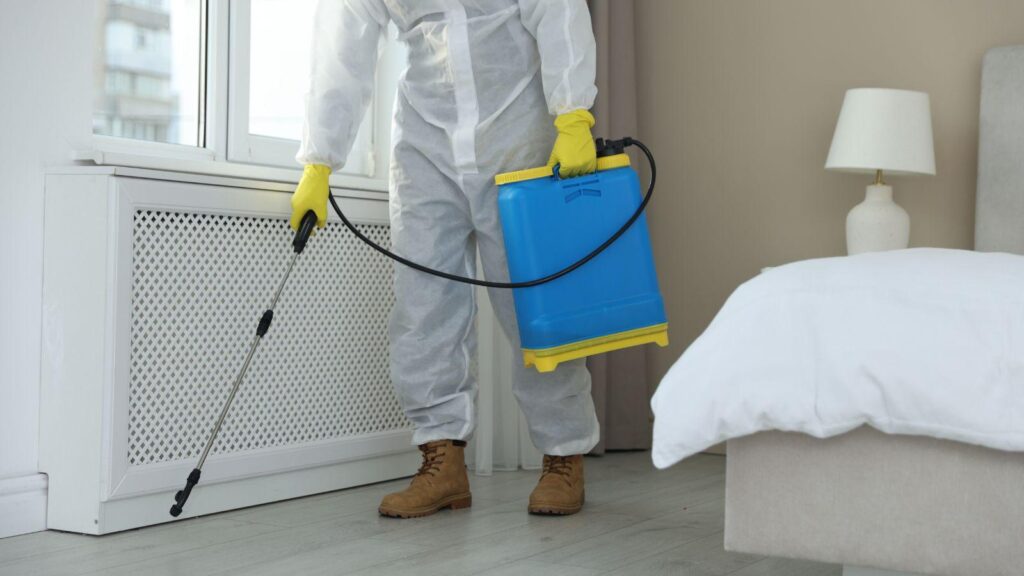
More homeowners are looking for ways to manage pests without relying on heavy chemical treatments, especially in households with young kids, pets, or backyard gardens. The good news is that eco-friendly pest control has come a long way, and a combination of smart prevention and targeted, low-impact treatments can be just as effective as harsher options for most common household pests.
Start With Prevention, Not Treatment
The most sustainable pest control strategy is one that prevents pests from wanting to move in at all. Sealing cracks around windows, doors, and utility lines removes easy entry points. Fixing leaky pipes and improving drainage eliminates the standing moisture that attracts everything from ants to termites. Keeping food sealed and countertops clean removes the incentive for pests to stick around once they've found a way in.
Use Natural Deterrents Where Possible
A number of plant-based and mineral options can help discourage common pests without the residual toxicity of traditional pesticides. Diatomaceous earth, for example, is effective against crawling insects like ants and cockroaches, while peppermint oil is a well-known deterrent for spiders and mice. These aren't always a complete solution on their own, but they're a solid layer in a broader, lower-impact approach.
Bring In Beneficial Insects for the Garden
If your pest issue is mostly outdoors, introducing beneficial insects like ladybugs or lacewings can control aphid populations naturally, without the need for broad-spectrum insecticides that also harm pollinators. This approach takes a bit more patience than a spray treatment, but it tends to create a more balanced, self-sustaining garden ecosystem over time.
Choose Targeted Treatments Over Broad Ones
When treatment is necessary, targeted bait stations and gel treatments generally have a smaller environmental footprint than broad-spectrum spraying, since they concentrate the active ingredient exactly where the pest activity is happening rather than dispersing it across the whole property.
Work With a Provider Who Offers Green Options
Not every pest control company structures its treatments around minimizing chemical use, so it's worth asking directly about eco-friendly pest control options before booking a service. Providers who prioritize integrated pest management, combining prevention, monitoring, and targeted treatment, tend to deliver longer-lasting results with a lighter environmental impact than a one-size-fits-all spray-and-go approach.
Going the eco-friendly route doesn't mean settling for weaker results. With the right combination of prevention and low-impact treatment, most households can keep pests under control without resorting to harsh chemicals as the default solution.
More Stories
Turning a Neglected Yard Into a Resort-Style Retreat Through Smart Design
Tenant-Friendly Renovations That Preserve Safety and Livability
Reimagining the Backyard as a Wellness Sanctuary