
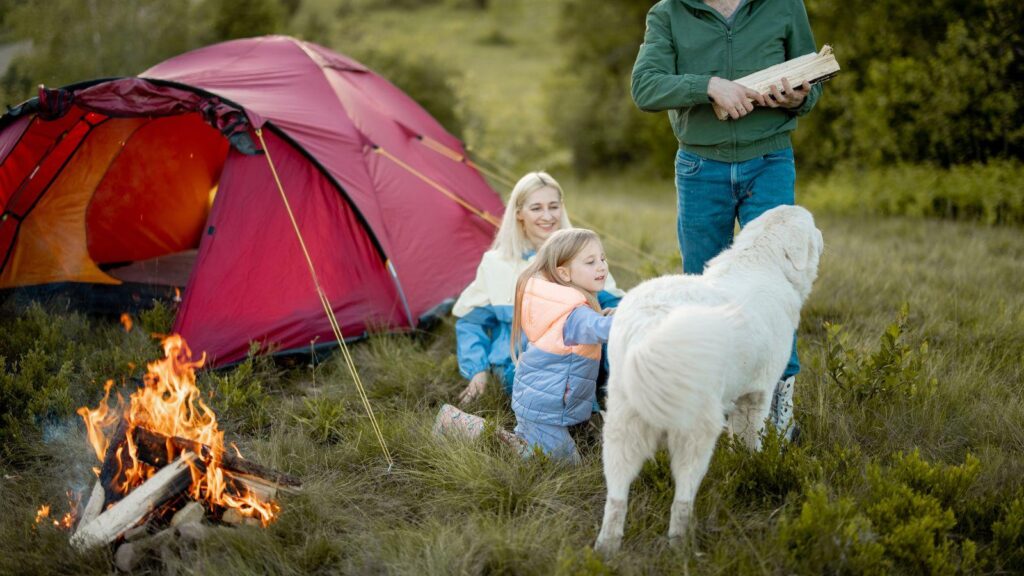
There is something special about taking the family camping. At home, children can disappear into their screens, adults can get caught up in work, and weekends can pass without anyone really slowing down. A camping trip changes that rhythm. Suddenly, breakfast happens outdoors, evenings are spent around a fire, and a short walk can become the highlight of the day. For families around Red Deer, Alberta, the mix of prairie landscapes, wooded areas, lakes, rivers, and outdoor recreation creates plenty of opportunities to enjoy that slower pace without planning an elaborate expedition.
Camping near Red Deer can be especially appealing to families who want outdoor adventure without giving up convenience. The region offers access to campgrounds where families can spend a night or several days surrounded by nature while remaining within a manageable distance of town. That makes it easier to bring younger children, extra food, bikes, fishing equipment, and all the other supplies that make a family trip comfortable.
Why Red Deer Makes a Good Base for Family Camping
Red Deer sits in central Alberta, roughly between Calgary and Edmonton, making it a convenient starting point for exploring the surrounding countryside. The area is known for its combination of open agricultural land, parkland, forests, rivers, and recreational areas.
For families, this variety matters. Not every child wants the same kind of outdoor experience. One might be excited about fishing, another may prefer riding a bike, while someone else might be happiest roasting marshmallows beside the fire. Choosing a camping destination in the Red Deer area can make it possible to combine several activities during one trip.
Another advantage is accessibility. Families do not necessarily need to drive for hours down remote roads to find an enjoyable campsite. A relatively short journey can take you from the conveniences of the city to a much quieter setting where the main attractions are trees, water, wildlife, and open skies.
That balance is one of the biggest reasons families return to camping around the region.
Choosing the Right Campground for Your Family
The best campground is not necessarily the one with the most facilities or the most secluded location. For a family trip, it should match the ages, interests, and comfort levels of everyone coming along.
Families with young children may prefer a campground with accessible washrooms, potable water, relatively easy walking routes, and campsites that are not too far from recreational areas. Parents of older children may be more interested in places offering fishing, hiking, cycling, swimming, or canoeing opportunities.
Before reserving a site, it is worth checking several practical details. Find out whether the campground provides firewood, whether fires are permitted at individual sites, and what type of cooking equipment is available or allowed. Some sites have electrical hookups, while others are designed for a more traditional camping experience.
It is also important to understand the campground’s rules regarding pets, quiet hours, generators, garbage, and food storage. A few minutes spent reading those details before leaving home can prevent unnecessary problems once everyone arrives.
For families unfamiliar with the region, researching options for camping in and around Red Deer can help narrow the choices according to activities, facilities, distance, and the type of camping experience everyone wants.
Firepits: Where the Evening Usually Begins
For many families, the campfire is the heart of the camping experience.
After a day spent walking, fishing, cycling, or exploring, there is something satisfying about sitting around a fire while the temperature drops and the sky becomes darker. Children can roast marshmallows, adults can make coffee, and everyone has a chance to talk without the distractions that normally fill an evening at home.
However, campfires require responsibility. Families should always check current fire restrictions before lighting one. Alberta’s fire conditions can change, particularly during dry periods, and restrictions may prohibit or limit open fires.
When fires are permitted, use only the designated firepit and keep water nearby. Children should understand that a campfire is not a play area. Even when flames appear low, hot coals can remain dangerous for hours.
The simple rules are worth following because a good campfire should create memories, not emergencies.
Fishing Can Turn a Weekend Into an Adventure
Fishing is another activity that works particularly well for families because it can be enjoyed at different skill levels. A child does not need to be an experienced angler to appreciate the excitement of casting a line and waiting to see what happens.
Before heading out, check the current Alberta fishing regulations, including licensing requirements, catch limits, permitted equipment, and seasonal restrictions. Rules can vary depending on the body of water and the species being targeted.
For younger children, keep the first fishing session short. An hour of fishing followed by a snack, walk, or another activity may be more enjoyable than expecting a child to sit quietly for half a day.
Parents should also remember basic water safety. Children should remain supervised around lakes and rivers, and appropriate flotation equipment should be used for boating activities. Even calm-looking water deserves respect.
The goal is not necessarily to bring home a large catch. Sometimes the memorable part is simply watching the bobber disappear beneath the surface or teaching a child how to hold a fishing rod for the first time.
Easy Activities Beyond the Campsite
Camping does not have to mean filling every hour with organized activities. In fact, some of the best family memories happen when children have room to explore.
A simple nature walk can become a scavenger hunt. Parents can ask children to find different types of leaves, interesting rocks, animal tracks, pinecones, or birds. Older children can keep a small nature journal and record what they see.
Cycling is another good option where campground trails or nearby routes allow it. Families should check trail conditions and difficulty before setting out, particularly if younger riders are coming along.
Birdwatching can also be surprisingly engaging. The quieter surroundings of a campsite make it easier to notice sounds and movement that might be missed in town. Bringing inexpensive binoculars can turn an ordinary walk into a small wildlife expedition.
For families with children who enjoy photography, a phone or basic camera can become another reason to explore. Instead of simply taking random pictures, give children a challenge: photograph three different birds, an unusual tree, something that moves, and the best sunset they can find.
Planning Meals Without Making Camping Complicated
Food is a major part of any family camping trip, but meals do not need to become a complicated project.
Breakfast can be as simple as eggs, toast, fruit, oatmeal, or pancakes prepared on a camping stove. Lunch might consist of sandwiches, wraps, vegetables, and snacks that require little preparation. Dinner can be prepared over a stove or fire when conditions permit.
Preparing some ingredients at home can save considerable time. Vegetables can be chopped beforehand, meat can be portioned, and sauces can be stored in sealed containers. Families should use coolers properly and keep perishable food cold.
Food storage also deserves attention. Wildlife can be attracted to unattended food, garbage, and strong-smelling items. Keep food secured according to campground requirements rather than leaving it beside the tent.
And do not forget snacks. Hungry children tend to become impatient children, particularly after several hours outside.
What to Pack for a Comfortable Family Trip
Packing for a family camping trip involves more than tents and sleeping bags. Weather in Alberta can change quickly, so layers are useful even during warmer months.
A basic family setup may include:
Parents should also pack clothes for changing conditions rather than relying entirely on the forecast. A sunny afternoon can turn into a cool evening, and wet clothing can make an otherwise enjoyable trip uncomfortable.
Keeping Children Interested in the Outdoors
One of the biggest challenges of family camping is keeping children engaged without turning the trip into a rigid schedule.
The answer is usually variety. Give children opportunities to help with small tasks. They can collect suitable kindling where permitted, help arrange camping chairs, prepare simple food, or choose the route for a short walk.
Games can also make downtime easier. Cards, frisbees, scavenger hunts, fishing, storytelling, and simple ball games require little equipment.
Most importantly, allow some unstructured time. Children often create their own games when they have the freedom to explore safely. A stick can become a fishing rod, a pile of stones can become part of an imaginary campsite, and a short trail can become an expedition.
Adults sometimes underestimate how entertaining ordinary outdoor experiences can be for children.
Respecting Alberta’s Outdoor Spaces
A successful family camping trip should leave the campsite looking much like it did when the family arrived.
That means packing out garbage, respecting vegetation, staying on designated trails where required, and avoiding unnecessary disturbance of wildlife. Never feed wild animals. Even an apparently harmless interaction can teach animals to associate people with food.
Noise is another consideration. Campgrounds are shared spaces, and families should be mindful of other campers, particularly during designated quiet hours.
Teaching children these habits early helps create a better experience for everyone. It also turns a camping trip into an opportunity to teach practical lessons about conservation and responsibility.
Making the Most of a Short Camping Weekend
A family camping trip does not need to last a week to be worthwhile. A single overnight stay can provide a welcome break from everyday routines.
For a short weekend, avoid trying to visit too many places. Choose a campground, set up camp, prepare an easy dinner, enjoy the evening fire, and spend the next morning exploring nearby trails or water.
The less time spent rushing between activities, the more time everyone has to actually enjoy being outdoors.
That is perhaps the greatest appeal of camping around Red Deer. Families can create a meaningful outdoor getaway without needing an ambitious itinerary. A tent, a warm meal, a fishing rod, and a little curiosity may be enough.
Creating Traditions the Family Will Remember
Camping becomes more meaningful when it develops into a family tradition.
Maybe every trip begins with the same breakfast. Perhaps the children choose the evening dessert, or everyone takes a photograph at the same point each year. Some families keep a small camping journal where they record where they stayed, what they saw, and the funniest moment of the trip.
These traditions do not need to cost anything. Their value comes from repetition. Years later, children may not remember every campsite or hiking route, but they may remember sitting beside a fire, listening to stories, waking up in a tent, or going fishing with a parent.
Those ordinary moments are often what make camping special.
A Simple Way to Reconnect
Family camping is ultimately less about the equipment and more about the opportunity to spend uninterrupted time together. The firepit provides a place to gather. A fishing hole creates patience and shared anticipation. A trail gives everyone somewhere to walk and talk. Even preparing dinner becomes a group activity when there are fewer distractions.
Around Red Deer, families have access to an appealing mix of outdoor settings that can accommodate both experienced campers and people trying it for the first time. With sensible preparation, respect for campground rules, and an itinerary that leaves room for spontaneity, a simple weekend outdoors can become something the whole family looks forward to repeating.
From the first tent peg driven into the ground to the final marshmallow roasted over the fire, camping offers a chance to trade busy schedules for fresh air, conversation, exploration, and a few stories worth telling when everyone gets home.
More Stories
How Elastomeric Paint Prevents Cracking, Heat and Weather Damage
Blending Indoor and Outdoor Spaces in New Home Construction
Outdoor Living Trends Nashville Homeowners Are Investing In