
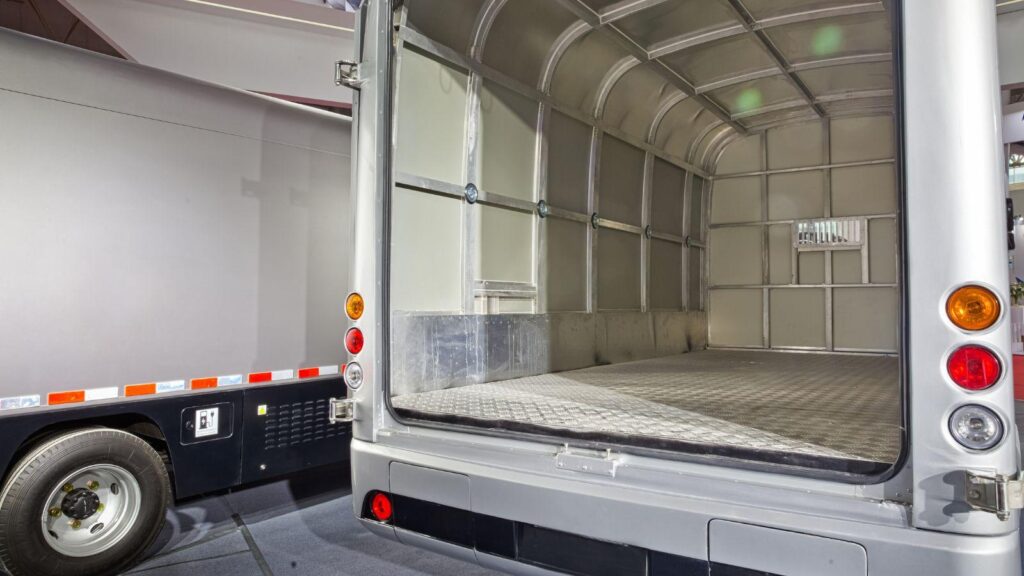
In trucking, an empty truck is more than a vehicle sitting unused in a parking lot. It represents lost revenue, wasted equipment capacity, and an opportunity that may never come back. For carriers operating on tight margins, even a short period without a qualified driver can affect the entire business. Trucks generate income only when they are moving freight, which makes driver availability one of the most important operational concerns for transportation companies.
Driver shortages are not simply a hiring inconvenience. They can influence dispatch schedules, customer relationships, maintenance planning, fuel efficiency, and overall fleet utilization. When a carrier has equipment available but no qualified person behind the wheel, the company continues carrying many of its normal costs without receiving the expected return. That is why fast, reliable driver placement has become an increasingly important part of successful fleet management.
What an Empty Truck Really Costs
The most obvious cost of an empty truck is the revenue the vehicle could have generated while operating. However, the financial impact extends well beyond missed loads.
A commercial truck is an expensive asset. Whether a company owns the vehicle outright or finances it, expenses continue regardless of whether it is traveling down the highway or parked at a terminal. Insurance payments, registration costs, loan payments, depreciation, parking, technology subscriptions, and other overhead expenses do not stop when a driver leaves the company.
At the same time, the truck is not producing revenue.
Consider a carrier that has a truck scheduled to operate six days a week. If the assigned driver leaves unexpectedly and the position remains vacant for two weeks, the company could lose a significant amount of productive capacity. The exact figure varies according to the type of freight, routes, mileage, rates, and operating costs, but the underlying problem remains the same: an income-producing asset is being underused.
The longer the vacancy continues, the greater the potential loss becomes.
Lost Revenue Is Only Part of the Problem
It is tempting to calculate the cost of an empty truck simply by estimating how much revenue it would have generated. That approach, however, can underestimate the true impact.
An inactive truck can disrupt carefully planned operations. Dispatchers may need to redistribute freight among other vehicles. Loads may need to be declined because there is not enough driver capacity. Other drivers may receive additional assignments, potentially creating scheduling complications or fatigue concerns.
Customer service can also suffer.
Transportation customers generally value consistency. When a carrier repeatedly has difficulty covering loads, customers may begin looking for alternatives. A single missed opportunity might not cause serious damage, but repeated capacity problems can gradually weaken a carrier's reputation.
In other words, a driver vacancy can create a chain reaction that extends beyond one truck.
Why Speed Matters in Driver Recruitment
Traditional hiring processes can take considerable time. A company may advertise a position, wait for applications, review qualifications, conduct interviews, verify employment history, check driving records, and complete onboarding before a new driver is ready to work.
Those steps are necessary, but delays between them can become costly.
Fast driver placement does not mean skipping important screening procedures. Instead, it means creating a recruitment process that moves qualified candidates through each stage efficiently. The objective is to reduce unnecessary downtime while maintaining appropriate standards for safety, experience, licensing, and reliability.
For carriers, the difference between filling a position in several days and leaving it open for several weeks can be substantial.
An efficient recruitment partner can help companies maintain a steady pipeline of candidates rather than beginning the hiring process from scratch every time a driver leaves.
The Role of Specialized Staffing Agencies
Transportation recruitment requires more than finding someone who has a commercial driver's license. Different carriers have different requirements based on equipment, freight, routes, schedules, experience levels, and operating regions.
A specialized staffing provider understands these distinctions.
For example, a carrier may need drivers with experience operating specific equipment or handling particular types of freight. Another company may prioritize regional drivers who can maintain a predictable home-time schedule. A long-haul operation may have completely different requirements.
Working with a CDL driver staffing agency in Southern California can help carriers connect with candidates who meet the specific requirements of commercial driving positions while reducing the administrative burden associated with recruitment.
The benefit is not simply speed. Better candidate matching can also improve retention, which is critical because repeatedly replacing drivers creates its own costs.
Hiring Quickly Should Not Mean Hiring Carelessly
There is an important distinction between fast hiring and rushed hiring.
A company that fills a vacant seat with an unsuitable candidate may temporarily solve one problem while creating another. If the driver leaves shortly afterward, the carrier is back where it started—only now it has also spent money and time on recruiting, onboarding, orientation, training, and administrative processing.
Poor hiring decisions can also introduce operational and safety risks.
A strong recruitment process should therefore balance speed with appropriate qualification checks. Depending on the position and applicable requirements, carriers may need to evaluate licensing, driving history, work experience, employment history, medical qualification, and other relevant credentials.
The goal is to identify qualified drivers quickly, not simply to put someone in the driver's seat as soon as possible.
Driver Turnover Makes Empty Trucks More Expensive
Driver turnover is one of the biggest reasons carriers should think about recruitment as an ongoing process rather than an emergency response.
When a driver resigns, the obvious issue is the vacant position. Less obvious are the costs associated with replacing that employee. Advertising, applicant screening, interviews, background checks, onboarding, orientation, administrative work, and training can all consume company resources.
There may also be productivity losses while new drivers become familiar with company procedures, equipment, routes, technology, and customers.
This is why retention and recruitment are closely connected.
A carrier that consistently attracts suitable candidates has more flexibility when turnover occurs. Instead of scrambling to find someone after a resignation, management can draw from an established recruiting pipeline.
The Importance of Candidate Quality
Speed is valuable, but candidate quality determines whether that speed produces lasting results.
A driver who looks suitable on paper may not necessarily be a good fit for a particular carrier. Expectations around home time, compensation, equipment, communication, routes, and scheduling can influence job satisfaction.
Recruiters and carriers should therefore communicate clearly with candidates before placement.
Drivers should understand what the job involves, while employers should have realistic expectations about the type of candidate they want to attract. Transparency at this stage can prevent misunderstandings later.
A good match can reduce turnover and help the truck remain productive for a longer period.
Empty Trucks Can Affect Fleet Planning
Driver availability also plays an important role in fleet expansion.
A carrier might own enough equipment to increase its freight capacity, but adding trucks does not automatically increase revenue if there are not enough qualified drivers to operate them. This can make driver recruitment a limiting factor in growth.
For example, purchasing five additional trucks may appear to be a straightforward way to increase capacity. But if the company cannot reliably staff those vehicles, the investment may sit idle.
This makes workforce planning an essential part of fleet planning.
Before adding equipment, carriers should consider whether they have the recruitment systems, compensation structure, management resources, and driver pipeline necessary to keep that equipment operating.
Technology Can Improve the Hiring Process
Modern recruiting processes increasingly use digital tools to reduce administrative delays. Online applications, automated communication, digital document collection, applicant tracking systems, and electronic scheduling can make it easier to move qualified candidates through the hiring funnel.
Technology cannot replace human judgment, particularly when evaluating whether a driver is a good fit for a company's culture and operating model. However, it can eliminate many repetitive tasks that previously slowed recruitment.
For transportation companies, this matters because every unnecessary day spent waiting for a candidate can potentially translate into another day of reduced fleet utilization.
Building a Continuous Driver Pipeline
One of the best ways to reduce the financial impact of driver vacancies is to stop treating recruitment as something that happens only after a position becomes available.
A continuous recruiting strategy keeps qualified candidates entering the pipeline even when the fleet is fully staffed. This approach gives carriers a larger pool to work with when turnover occurs or when new equipment is added.
It also gives management better visibility into the local and regional labor market.
A company that understands how many qualified drivers are available, what they expect from employers, and how competitive compensation needs to be can make better workforce decisions.
Compensation and Working Conditions Still Matter
Recruitment speed cannot compensate for an unattractive employment package.
Qualified commercial drivers have options, and carriers competing for talent need to consider more than hourly or mileage-based pay. Home-time policies, benefits, equipment quality, scheduling, communication, safety culture, and opportunities for advancement can all influence a driver's decision.
If a company consistently loses drivers shortly after hiring them, simply increasing recruitment activity may not solve the underlying problem.
The better approach is to examine why drivers leave and identify changes that could improve retention.
Turning Driver Placement Into a Business Strategy
The most successful carriers understand that driver placement is closely tied to asset utilization.
A truck represents a significant investment, and its earning potential depends on keeping it operational. Every day without a qualified driver can reduce that asset's productivity. When vacancies become frequent or prolonged, the impact can spread across the entire operation.
Fast placement helps reduce the period between driver departure and the return to normal operations. Effective screening helps ensure that speed does not come at the expense of quality. Strong retention practices help prevent the same vacancy from recurring.
Together, these elements create a more resilient workforce strategy.
Final Thoughts
An empty truck may look like a simple staffing problem, but its financial consequences can reach far beyond one vacant driver's seat. Lost freight opportunities, continuing ownership expenses, disrupted schedules, customer concerns, and recruitment costs can all add up while equipment remains idle.
For carriers, the solution is not merely to hire faster. It is to develop a recruitment system that combines speed, qualification, communication, and long-term retention.
More Stories
Is a No-Scalpel Vasectomy Right for You? Pros, Cons, and What to Ask
A Few Technical Details Involved in Vinyl Siding Installation
When to Bring in a Professional Architect for Your Home Project