
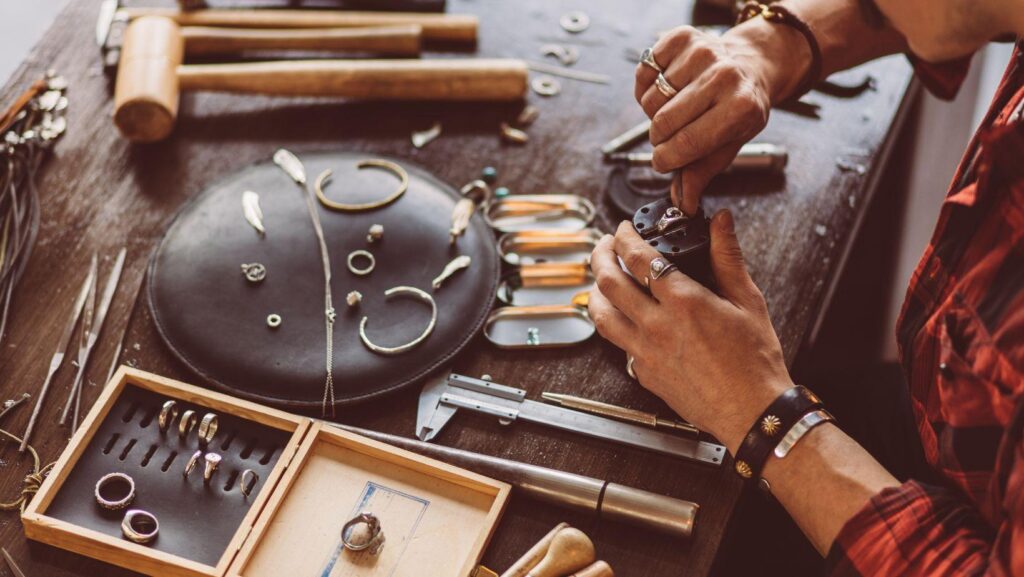
Finding a gift that actually gets used is harder than it sounds. Candles pile up in a drawer, mugs gather dust, and gift cards get forgotten. A jewelry making kit is different. It hands someone a new skill, a creative outlet, and a way to make something they’ll actually wear or give to someone else. That’s a rare combination for a gift.
Whether you’re shopping for a teenager who loves crafting, a friend who just discovered beading on social media, or a family member who wants a relaxing hobby away from screens, a well-chosen kit checks a lot of boxes at once. This article walks through why these kits make such a strong gift choice, what to look for before you buy one, and how the right equipment turns a fun hobby into a lasting one.
Why a Jewelry Making Kit Makes Such a Thoughtful Gift
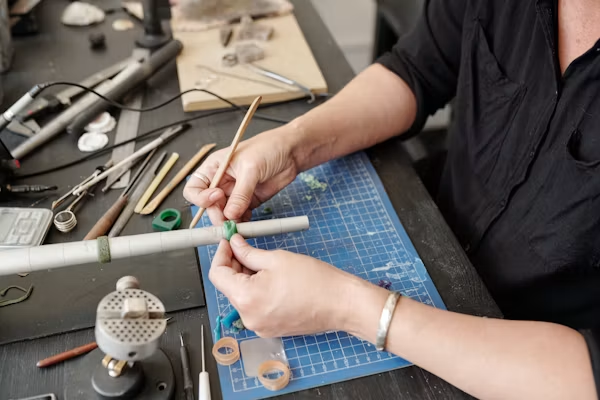
A jewelry making kit gives the recipient something most gifts don’t: an experience, not just an object. They open the box, and instead of a finished product, they get tools, materials, and the chance to build something with their own hands. That sense of ownership tends to stick with people longer than a store-bought necklace ever could. It also works for almost any skill level, since kits range from beginner-friendly bead sets to advanced metalworking tools.
There’s also a practical side to this. Jewelry supplies don’t expire, and a decent kit can supply dozens of projects before anything runs low. That means the gift keeps paying off months after it’s been unwrapped. For gift-givers who want something that feels personal without requiring them to guess someone’s exact taste in finished jewelry, a kit sidesteps the problem entirely by letting the recipient design their own style.
What to Look for Before Buying One
Not every kit is built the same way, and the difference between a good one and a frustrating one usually comes down to a few details. When comparing jewelry making equipment, check whether the kit includes actual tools, like pliers or wire cutters, or just materials such as beads and string. A true starter kit should have both, since tools are the more expensive part and the hardest to source separately later. Material quality matters too. Cheap wire kinks easily and beads with rough edges can fray thread, so it’s worth checking reviews for complaints about material durability before choosing a kit.
Think about who’s receiving it and what they’ll realistically want to make. A kid or teen usually does better with a colorful beading set that shows quick results, while an adult interested in a serious hobby might prefer a kit built around wirework or metal stamping. It also helps to check if the kit includes instructions or project ideas, since a pile of jewelry making equipment and supplies without guidance can sit unused. A good kit gives someone enough direction to finish their first piece without feeling lost.
Types of Jewelry Making Kits Worth Considering
Beading kits are the most common starting point, and for good reason. They usually include an assortment of beads, cording or wire, clasps, and basic tools, which makes them approachable for someone who has never made jewelry before. These kits work well for bracelets and simple necklaces, and results come quickly enough to keep beginners motivated.
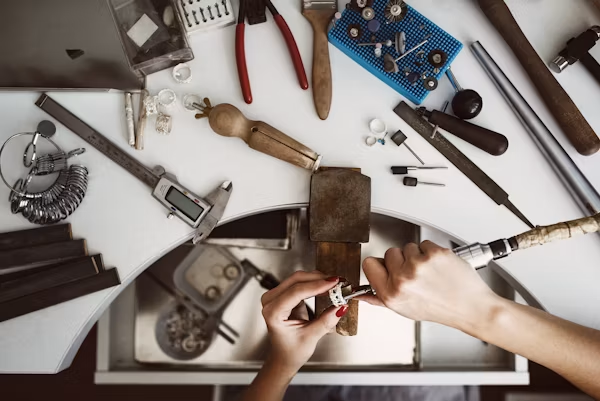
Wire-wrapping and metal-forming kits sit a step up in complexity and appeal to people who already have some crafting experience. These often include tools like rolling mills, which flatten and texture metal sheet or wire into custom shapes for rings, pendants, and earrings. A rolling mill in particular opens up a much wider range of designs than basic hand tools alone, since it lets the user create patterns and thicknesses that would otherwise require a jeweler’s workshop. For someone ready to move beyond beading, this kind of equipment turns jewelry making into a genuine craft rather than a casual pastime.
Matching the Kit to the Person’s Skill Level
Buying a kit that’s too advanced can backfire. Someone who has never held a pair of jewelry pliers before might feel overwhelmed by a full metalworking setup, and the kit ends up unused in a closet. Starting simple isn’t a downgrade; it’s a way to build confidence before adding complexity. Most people who stick with jewelry making as a hobby started with basic beading and worked their way up naturally as their interest grew.
On the other hand, buying a beginner kit for someone who already has experience can feel underwhelming, almost like giving a chef a kids’ cooking set. If the recipient has mentioned wanting to try wire wrapping, stamping, or working with metal sheets, it’s worth browsing options built for that next step, such as a full range of jewelry making kits designed for different experience levels. Matching the gift to where someone actually is in their skill journey shows more thoughtfulness than picking the flashiest box on the shelf.
Common Mistakes When Choosing a Kit as a Gift
One frequent mistake is focusing too much on quantity and not enough on quality. A kit that boasts hundreds of beads sounds impressive, but if the clasps are flimsy or the wire snaps under light pressure, the recipient will get frustrated fast. It’s better to choose a smaller kit with reliable components than a massive one filled with materials that won’t hold up.
Another mistake is skipping the instructions check. Some kits assume prior knowledge and drop the buyer into projects without explaining basic techniques like crimping or wire wrapping. This is especially discouraging for a total beginner. Before buying, it helps to skim through reviews or product descriptions to confirm the kit includes some kind of guide, even a simple one, so the recipient isn’t left guessing.
Storage and Longevity: Why Good Equipment Matters
Cheap tools tend to wear out fast, and that’s often what turns someone away from a new hobby before it has a chance to stick. Pliers with weak joints, wire cutters that dull after a few uses, or a rolling mill with uneven pressure can all make the process more frustrating than fun. Investing a bit more in durable equipment upfront tends to pay off, since the recipient won’t need to replace tools after just a handful of projects.
Storage also plays a bigger role than people expect. Beads and small findings get lost easily without a proper case, and metal tools can rust if left out in humid conditions. A kit that includes some kind of organized storage, even a basic tray or case, makes it much easier for someone to keep using their supplies long after the initial excitement of unboxing wears off.
Frequently Asked Questions
What is included in a typical jewelry making kit?
Most starter kits include a mix of beads, wire or cord, clasps, jump rings, and basic tools like pliers or wire cutters. More advanced kits, such as those built around metalworking, may include specialized tools like rolling mills, hammers, or metal stamps depending on the type of jewelry the kit is designed for.
Is a jewelry making kit a good gift for someone with no crafting experience?
Yes, as long as the kit matches their skill level. A simple beading kit with clear instructions is usually the safest choice for someone who has never made jewelry before, since it delivers quick, satisfying results without requiring specialized technique.
How much should I expect to spend on a good quality kit?
Prices vary widely based on what’s included. A basic beading kit can cost relatively little, while kits with metalworking tools like rolling mills or professional-grade pliers cost more due to the durability and precision of the equipment involved.
Can jewelry making kits be used to make jewelry to sell, not just as a hobby?
Many people start with a hobby kit and later use the same skills to create pieces they sell online or at craft fairs. Kits with higher-quality tools, especially metal-forming equipment, tend to produce more durable and professional-looking results suited for selling.
Do I need prior jewelry making experience to use tools like a rolling mill?
No, but there’s a learning curve. A rolling mill is more advanced than basic beading tools, so it helps if the recipient has some comfort with hands-on crafting first, even if it’s not jewelry specific. Many rolling mills come with guidance on pressure settings and metal thickness to make the learning process smoother.
What age group are jewelry making kits appropriate for?
It depends on the kit. Beading kits with larger components are often suitable for kids as young as eight or nine with supervision, while kits involving wire cutters, metal stamping, or rolling mills are better suited for teenagers and adults due to the tools involved.
More Stories
Reinventing The Garage Into The Perfect Teenage Hangout Space
The Advantages of Choosing a Commercial Supplier for Pavers
Why Auction Is One of the Most Effective Ways to Sell Property in Scotland