
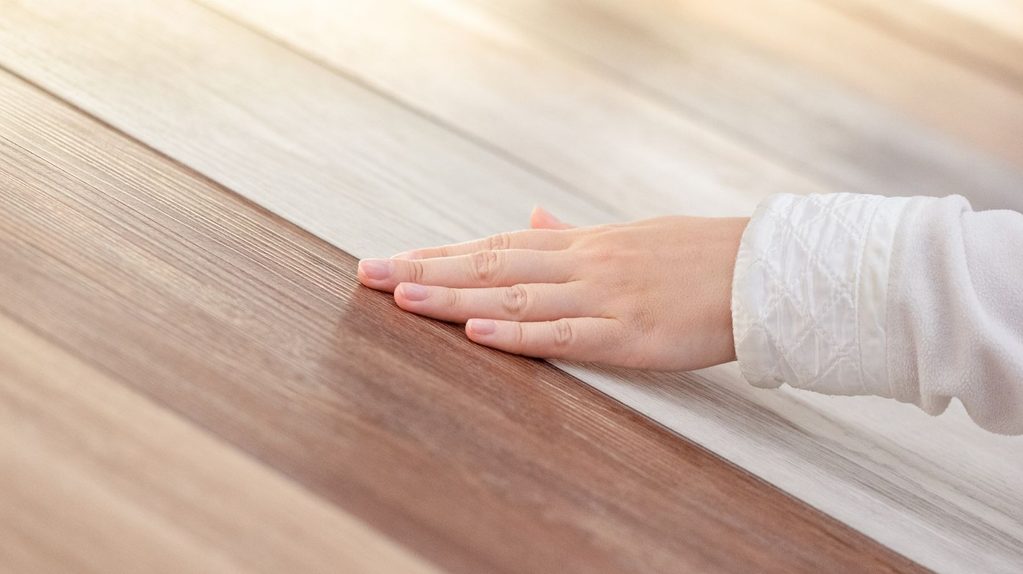
Wood-look flooring can make a room feel warmer and more finished without the upkeep that comes with natural timber. But choosing by appearance alone is an easy way to end up with flooring that looks right in a sample and feels wrong six months later.
The better approach is to start with how the room will actually be used. If you are comparing materials for areas exposed to spills, humidity or heavy daily traffic, it is worth looking closely at vinyl wood flooring as part of the shortlist. The interesting question is not simply whether it looks like wood, but whether its practical characteristics match the room.
Start With The Room
Think about the room before thinking about the flooring. A quiet bedroom has very different demands from a kitchen where someone might drop a wet towel, spill a drink or drag a chair across the floor.
Make a quick list of what the floor will deal with:
- Water or frequent spills
- Pets, children or heavy foot traffic
- Furniture being moved regularly
- Direct sunlight
- Cleaning several times a week
This matters because two floors can have almost identical wood-grain patterns while behaving quite differently in everyday use.
A useful rule is simple: the more unpredictable the room, the more weight you should give to maintenance and durability rather than appearance alone.
Look Beyond The Sample
Flooring samples are useful, but they can hide the details that become noticeable across a whole room. A small board may look beautifully varied. Cover an entire 30-square-metre living room with the same visual pattern, however, and repetition can become much more obvious.
Colour also changes with light. A warm oak-style floor can look soft under artificial lighting but noticeably different beside large windows during the day.
When comparing samples, look at them in the actual room if possible. Put one near a window, one in a darker corner and one beside your existing furniture. You are not choosing a single plank. You are choosing the background for everything else in the room.
The Moisture Trade Off
Here is a trade-off that many flooring guides simplify too much: water resistance is not the same thing as being able to ignore water.
A floor designed to cope better with moisture can be a sensible choice in areas where spills are likely. But installation quality, joints, cleaning habits and the condition of the subfloor still matter.
Imagine a kitchen where a dishwasher occasionally leaks. The right question is not, “Which floor is waterproof?” It is, “Which flooring system gives me a reasonable margin for the kinds of moisture this room is likely to encounter?”
That small change in thinking leads to a much more useful comparison.
Calculate The Real Cost
Price per square metre is only the beginning. Your actual flooring cost can include preparation, installation, trims, removal of an exi
More Stories
How Architectural Design Shapes a Building’s Depreciation Schedule in California
The Moving Challenges Homeowners Often Underestimate
InsideTheHome: FlyArchitecture—How Lightweight Design Transforms Modern Living (2026 Guide)