
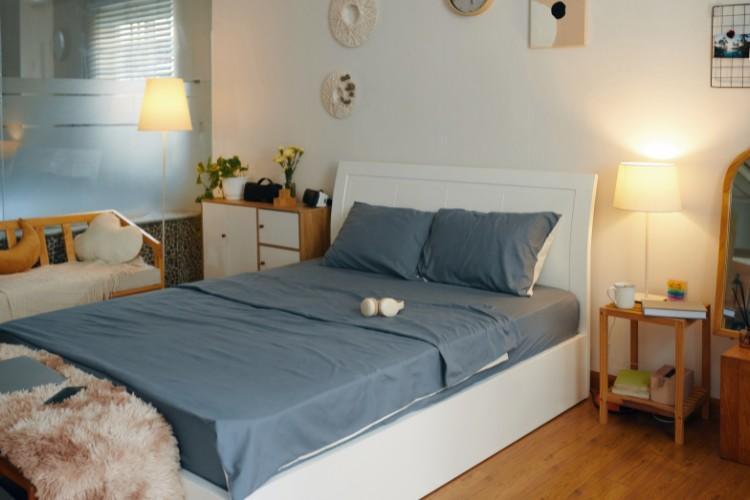
Living in a small space doesn’t mean sacrificing style or comfort. When you’re living in a cozy studio apartment, a small bedroom in a shared house, or simply want to maximize every square foot of your home, the right design strategies can make even the tiniest room look a lot bigger than it actually is.
As someone who’s navigated everything from cramped city apartments to shared living situations, I’ve learned that creating the illusion of space is an art form — one that combines clever furniture choices, strategic color palettes, and optical tricks that literally change how we perceive our surroundings.
The psychology behind spatial perception is fascinating. Our brains process visual cues like light, color, and depth to determine how large or small a space feels. By manipulating these elements, you can make a 10×10 bedroom feel as spacious as one twice its size.
1. Mirror Magic: The Ultimate Space Multiplier
Mirrors are your secret weapon in small space design. A large floor-to-ceiling mirror can instantly double the visual square footage of any room by reflecting light and creating depth. Position mirrors opposite windows to maximize natural light reflection, or place them perpendicular to windows to bounce light deeper into the room. For maximum impact, consider a full-length mirror on a closet door or a decorative mirror wall that works as both storage and makes a statement. Designer Kelly Wearstler suggests even having a mirrored headboard in a bedroom to visually expand the space.
The key is scale; small decorative mirrors scattered around won’t have the same effect as one large reflective surface. Think big, and watch your room expand before your eyes.
2. Embrace Vertical Space
Vertical storage draw the eye upward, creating the impression of higher ceilings and more room. Designers like Carolyn Cerminara recommend using floating shelves that climb toward the ceiling, tall bookcases instead of wide ones, and hang curtains from ceiling height rather than just above the window frame.
This vertical emphasis creates elongated lines that trick the brain into perceiving more space. Floor-to-ceiling storage units, though they may seem imposing, actually work better than shorter furniture because they eliminate clutter and create clean, uninterrupted lines.
3. The Light and Bright Color Strategy
Darrell Gardner recommends light, soft colors on walls and large surfaces, keeping darker tones only for small accents so the walls seem to recede and the room feels more open. Stick to a palette of whites, soft grays, pale blues, or warm beiges for walls and large furniture pieces. This doesn’t mean your space needs to be boring — add personality through colorful accessories, artwork, and textiles that can be easily swapped out.
Consider painting your ceiling a shade lighter than your walls, or even pure white, to give the illusion of more height. If you’re renting and can’t paint, use this color principle for your furniture, bedding, and decor choices instead.
4. Multifunctional Furniture is Non-Negotiable
Every piece of furniture should earn its place through multiple functions. Ottoman coffee tables with hidden storage, beds with built-in drawers, fold-down desks that disappear when not in use, and nesting tables that expand when you need them — these are the MVPs of small space living.
Look for furniture that’s appropriately scaled to your room. Oversized pieces will overwhelm the space, while furniture that’s too small can make the room feel cluttered and disjointed. The goal is to find the Goldilocks zone where everything fits just right.
5. Maximizing Shared Living Spaces
If you’re sharing your home with roommates, the challenge of maximizing space multiplies. Common areas need to work harder to accommodate multiple people’s needs, preferences, and belongings. The key is establishing clear zones within shared spaces while maintaining an open, welcoming atmosphere.
Use area rugs to define separate activity areas within one room: a living zone, a dining zone, a workspace. This creates structure without physical barriers. Transparent or semi-transparent room dividers, like open shelving units or curtains, can provide privacy when needed while keeping sightlines open. When everyone contributes to keeping shared spaces organized and clutter-free, the entire home feels more spacious.
Finding roommates who respect shared spaces and have compatible living styles makes all the difference. Platforms like SpareRoom.com help match people based on lifestyle preferences, which can be crucial for maintaining harmony in compact living situations. When everyone’s on the same page about cleanliness, organization, and spatial boundaries, even small shared homes can feel comfortable and spacious.
6. Create Clear Pathways
Nothing makes a room feel cramped faster than having to navigate an obstacle course to get from the door to the bed. Arrange furniture to create clear, direct pathways through the space.
Maintaining at least 24-30 inches of walking space between furniture pieces ensures the room feels open and accessible. Sometimes, less furniture, arranged thoughtfully, creates more usable space than cramming in every piece you own.
7. Strategic Lighting Layers
A single overhead light casts harsh shadows and flattens a room. Instead, layer multiple light sources at different heights — table lamps, floor lamps, wall sconces, and task lighting. This creates depth and dimension while eliminating dark corners that make spaces feel smaller.
Consider uplighting (lights that shine toward the ceiling) to make ceilings feel higher, and install dimmer switches to control ambiance. Good lighting isn’t just functional; it’s transformative.
8. Go Transparent and Leggy
Furniture with exposed legs and transparent materials (like glass or acrylic) allows light and sightlines to pass through, creating an airier feel than solid, bulky pieces. A glass coffee table, acrylic chairs, or a sofa with visible legs lets you see more floor space, which tricks the eye into perceiving more room.
This principle extends to window treatments too — choose sheer curtains or bare windows over heavy drapes when privacy allows.
9. Declutter Ruthlessly
This might be the most important trick of all. Visual clutter is space clutter. Every item you display, every knick-knack on a surface, every piece of furniture takes up not just physical space but mental space. Adopt a minimalist mindset: keep only what you love, need, or use regularly.
Implement smart storage solutions that hide everyday items. Closed cabinets, boxes, and baskets keep necessary items accessible while maintaining clean surfaces. The less stuff fighting for your attention, the more peaceful and spacious your room will feel.
10. The Power of Cohesion
Finally, maintaining a cohesive design throughout your small space prevents fragmentation. Stick to a consistent color palette, repeat patterns and materials, and ensure your design style flows from one area to another. This unity creates a sense of harmony that makes the space feel intentional and, surprisingly, larger.
Small space living is about intention. Every design choice becomes meaningful when square footage is at a premium.
References
-
Duque, F. (2025). Kelly Wearstler’s 7 Tips For Making the Most of Small Spaces. DUKE RENDERS.
-
Warwick, S. (2023). 10 things designers do to make rooms look bigger – strategies for success from the experts. Home and Gardens.
-
Lauren, A. (2025). Want Your Small Bedroom to Feel Bigger? Designers Say These 8 Tips Really Work. Real Simple.
More Stories
The Homeowner’s Guide to Eco-Friendly Pest Control Methods
Turning a Neglected Yard Into a Resort-Style Retreat Through Smart Design
Tenant-Friendly Renovations That Preserve Safety and Livability