
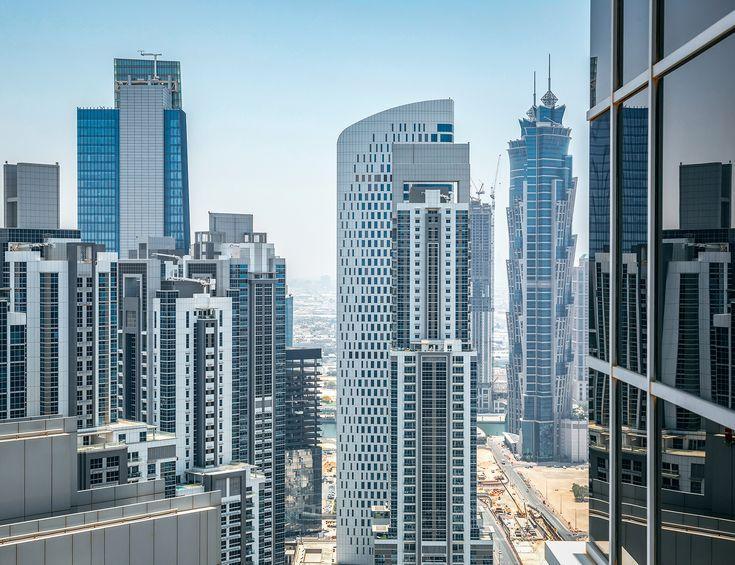
The UAE real estate market is experiencing a historic boom. In the first quarter of 2025 alone, residential transactions surged by 23% year-on-year. For investors and homebuyers, the allure of Dubai and Abu Dhabi is undeniable: tax-free living, world-class infrastructure, and high rental yields.
However, high rewards often come with high risks. With off-plan sales accounting for 69% of all transactions in early 2025, the market is heavily reliant on promises of future delivery. Choosing the wrong partner in this environment can lead to significant delays, quality disputes, or even financial loss.
To protect your investment, due diligence is non-negotiable. Here are the 10 most critical mistakes buyers make when selecting property developers in UAE and how you can avoid them.
1. Not Verifying the Developer’s Track Record
A glossy brochure and a luxury showroom do not guarantee a completed building. One of the most common errors buyers make is failing to research a developer’s delivery history.
You must look beyond the marketing hype to see what the developer has actually built. Have they delivered previous projects on time? What is the build quality of their 5-year-old buildings?
Case Study of Golf Views Seven City
The importance of track record is highlighted by the case of Golf Views Seven City by Seven Tides. Launched in 2018, the project has faced repeated delays. By 2025, reports indicated it was only approximately 28% complete, leaving investors in limbo for years. Checking a developer’s history of timely handovers is the only way to mitigate this risk.
2. Ignoring Escrow Account Requirements
Never transfer money directly to a developer’s personal or general corporate account. This is a red flag that should stop your transaction immediately.
Under Dubai’s Law No. 8 of 2007, developers selling off-plan units are legally required to open a dedicated escrow account for each project. These accounts are regulated by Dubai Land Department (DLD). The money you pay goes into this ring-fenced account and can only be used for construction costs for that specific project.
If a developer asks for a direct transfer or provides vague banking details on a booking form, they are bypassing the legal framework designed to protect your funds.
3. Inadequate Legal Due Diligence
Many international buyers assume real estate contracts are standard and non-negotiable. This leads to them skimming over the Sales and Purchase Agreement (SPA), missing critical clauses that limit their rights.
Common hidden clauses include:
-
Grace Periods: Clauses that allow the developer to delay handover by 12 months (or more) without penalty.
-
Substitution Rights: Allowing the developer to swap out high-end materials for “equivalent” (often cheaper) alternatives.
-
Size Variance: Clauses permitting the unit size to shrink by a certain percentage without compensation.
It is vital to have a legal expert review the SPA to clarify your exit strategies and the developer’s liabilities.
4. Overlooking Financial Stability
A developer might have a great vision, but do they have the capital to execute it? Financial instability is a primary cause of stalled projects.
Before committing, buyers should verify the developer’s partnerships and funding sources. Are they self-funded, or are they relying entirely on off-plan sales to buy bricks and mortar?
Furthermore, buyers should be aware of the UAE Bankruptcy Law (Federal Decree-Law No. 51 of 2023), effective as of May 2024. This law provides a framework for financial restructuring, but it is always better to avoid a distressed developer than to rely on bankruptcy courts for recourse.
5. Disregarding Project Approvals
Buying a “concept” is different from buying an approved project. In Dubai, the Real Estate Regulatory Agency (RERA) oversees project approvals.
Investors often make the mistake of paying deposits for projects that have not yet received full RERA approval. Until a project is registered and approved, there is no guarantee it will go ahead. Always ask for the project registration number and verify it on the Dubai REST app or the DLD website.
6. Lack of Site Visit
Digital renderings are designed to look perfect. Reality is often different. If you are buying off-plan, you might think there is nothing to see, but that is rarely true.
Visit the construction site. Is there machinery on-site? Are there laborers working? If a project was launched two years ago, but the plot is still empty sand, you have a problem. For ready properties, a physical inspection is the only way to check for snagging issues, finish quality, and noise levels from nearby highways.
7. Trusting Only Marketing Materials
“Guaranteed Returns” is a phrase that traps many inexperienced investors. Developers often promise high ROIs (e.g., 8% net for 5 years) to attract buyers.
However, these returns are often factored into an inflated purchase price. You are essentially paying yourself back with your own money. Never rely solely on the developer’s ROI projections or marketing collateral. Independent verification of market rates in the area is essential.
8. Not Understanding Payment Plans
Attractive post-handover payment plans can mask the true cost of a property. While paying 1% per month sounds affordable, buyers must understand the total financial commitment.
Key risks include:
-
Balloon Payments: Large lump sums due at handover.
-
Strict Penalties: High fees for missed installments.
-
Resale Restrictions: Some developers block you from reselling the unit until a certain percentage (e.g., 40-50%) of the total value is paid off.
Ensure you have the liquidity to meet the schedule even if your personal financial situation changes.
9. Ignoring Market Conditions
The market moves in cycles. With the dominance of off-plan sales in 2025, there is a risk of oversupply in certain neighborhoods when these thousands of units are handed over simultaneously.
Buyers often commit to peak launch prices without analyzing saturation. A property in a master community with good infrastructure will hold value better than a standalone tower in an isolated location. Look at the future infrastructure pipeline, metro lines, schools, and malls to gauge long-term appreciation.
10. Failing to Seek Expert Advice
Perhaps the biggest mistake is trying to navigate the UAE property market alone. Real estate agents in the UAE must be licensed by RERA. Working with unlicensed freelancers leaves you with zero protection if things go wrong.
Similarly, relying on the developer’s sales team for impartial advice is a conflict of interest. Engaging an independent real estate lawyer and a reputable broker ensures that someone is looking out for your interests, not the seller’s.
A Checklist for Safe Investment
The UAE property market offers incredible opportunities for wealth creation, but it rewards the cautious and the well-informed. By avoiding these ten mistakes, you position yourself for a successful investment.
Before signing any contract, ensure you have completed this 5-step action plan:
-
Check the Track Record: Visit the developer’s completed buildings.
-
Verify the Escrow: Confirm the account is DLD-approved.
-
Review the SPA: Have a lawyer check for hidden delay clauses.
-
Visit the Site: Confirm physical progress matches the payment schedule.
-
Analyze the Market: Ensure the price per sq. ft. aligns with independent market data.
Taking these steps will move you from a vulnerable buyer to a savvy investor, ready to capitalize on one of the world’s most dynamic real estate markets.
More Stories
Planning Plumbing Access Before Closing Walls in a Renovation
How to Read a Cabinet Spec Sheet: A Term-by-Term Translation
Why Compact Homes Are Growing in Popularity