

Tap water disinfection relies heavily on chlorine and chloramine to control harmful microorganisms. These compounds are effective for public health, but they also change water taste, odor, and chemical composition. As a result, many homeowners ask: does carbon filter remove chlorine, and is it a reliable solution for everyday use?
Modern household filtration systems show that a properly designed carbon-based setup can significantly improve water quality. In practice, a well-sized carbon filtration water system is often used at the point of entry or point of use to address taste, odor, and chemical byproducts associated with chlorinated water—without altering mineral balance.
Why Chlorine and Chloramine Are Added to Tap Water
Municipal water suppliers add chlorine and chloramine to prevent the spread of waterborne diseases such as cholera and typhoid. Chlorine works quickly but dissipates faster, while chloramine (a combination of chlorine and ammonia) remains stable over long distribution networks.
According to the U.S. Environmental Protection Agency (EPA), disinfectants like chlorine are essential to keeping drinking water microbiologically safe. However, their persistence in tap water explains why consumers frequently notice strong smells or aftertastes, especially in hot water or during seasonal treatment changes.
Reasons to Reduce or Eliminate Chlorine and Chloramine
Chlorinated water is safe to drink within regulatory limits, but reducing residual disinfectants is often a quality-of-life choice rather than a safety concern. Many users report improved taste and smell after filtration, which encourages higher water consumption.
From a technical standpoint, chlorine can accelerate corrosion in plumbing systems and degrade rubber seals in appliances. Skin and hair dryness after showering is another common complaint. For these reasons, people often look for a water filter to remove chlorine and chloramine without introducing complex maintenance or chemicals into the home.
How Activated Carbon Filters Remove Chlorine
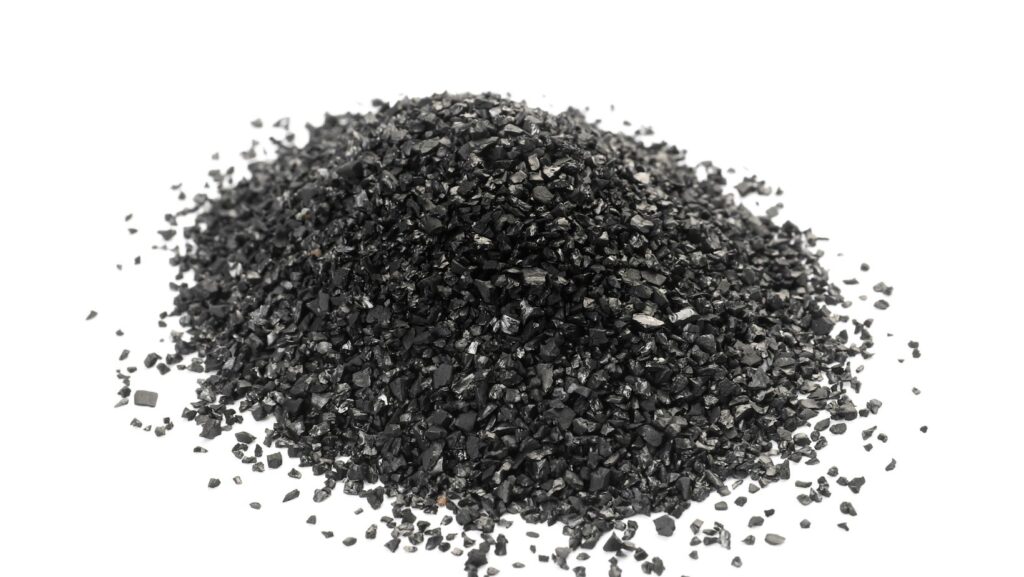
Activated carbon is a highly porous material with a massive internal surface area. Its structure allows it to adsorb chlorine molecules through a chemical reduction process. Simply put, chlorine reacts with the carbon surface and is neutralized into harmless chloride ions.
This is why questions like does activated carbon remove chlorine or does carbon remove chlorine have a clear, science-based answer: yes, when contact time and carbon quality are sufficient. Research referenced by the EPA and the World Health Organization confirms that activated carbon remove chlorine effectively when filters are properly designed.
Chlorine vs. Chloramine Removal
Standard carbon filters are highly effective for free chlorine reduction. Chloramine is more stable and requires either catalytic carbon or extended contact time. In such cases, activated carbon for chlorine removal must be specifically engineered to handle chloramine, especially in whole-house filtration systems.
Factors That Influence Carbon Filtration Performance
Not all carbon filters perform equally. Filtration efficiency depends on several interacting variables rather than a single specification. In real-world conditions, chlorine reduction performance is influenced by a combination of design and water-quality factors, including:
- Carbon type — granular activated carbon (GAC), carbon block, or catalytic carbon, each with different adsorption and reaction characteristics
- Water flow rate — slower flow allows longer contact time, helping a carbon filter remove chlorine more effectively
- Filter depth and density — thicker, denser carbon blocks provide more surface area for chlorine reduction
- Water temperature — higher temperatures can slightly reduce adsorption efficiency
- Incoming chlorine or chloramine concentration — higher disinfectant levels require more contact time or specialized carbon media
Together, these factors explain why filtration results can vary between households, even when similar carbon-based systems are used.
Choosing the Right Chlorine Filtration Solution
Selecting a solution starts with defining your goal. If your priority is better taste at the kitchen sink, an under-sink carbon filter may be sufficient. If you want to protect plumbing, appliances, and bathing water, a whole-house system is more appropriate.
If you want consistent carbon filter chlorine removal across all outlets, choose a system rated for your household flow demand and disinfectant type. For chloramine-treated water, look specifically for catalytic carbon media. In practical terms, if you want a proven, low-maintenance way to improve water quality, activated carbon remains one of the most reliable and widely recommended technologies available.
More Stories
Jewelry Making Kit: The Perfect Gift for Creative Minds
Reinventing The Garage Into The Perfect Teenage Hangout Space
The Advantages of Choosing a Commercial Supplier for Pavers