
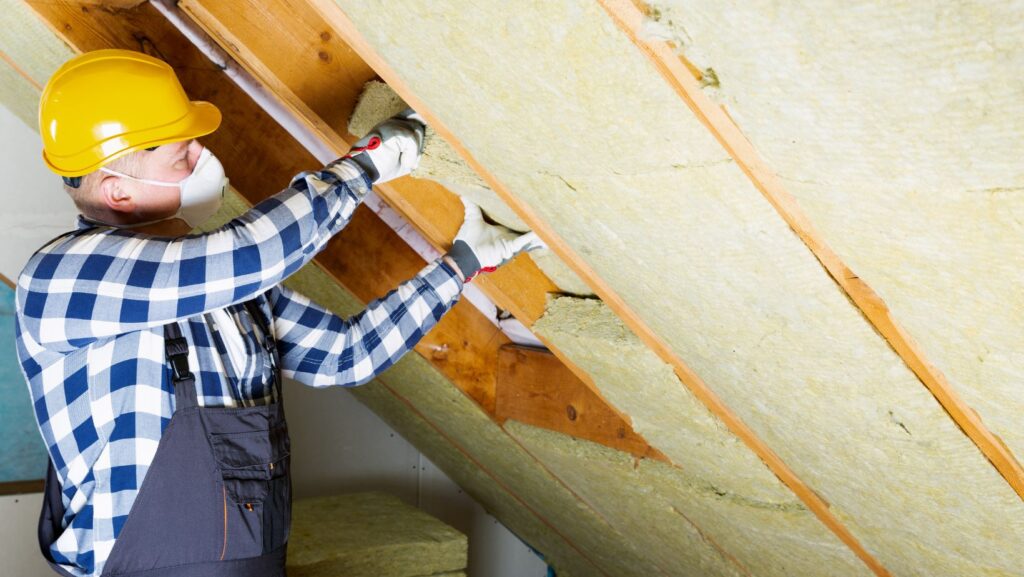
When it comes to energy efficiency and comfort, insulation is a crucial factor often overlooked during construction or renovation. While many people are aware of the importance of insulating walls and foundations, roof-only insulation deserves equal attention. However, selecting the right roof-only insulation solution can lead to a maze of choices and potential pitfalls. In this guide, we’ll discuss common mistakes to avoid and what to consider for optimal performance.
Understanding Roof-Only Insulation
Roof-only insulation serves a distinct purpose, helping to regulate temperature and conserve energy in spaces directly beneath the roof. Whether it’s a home, a workshop, or a commercial building, the right insulation can have a significant impact on your energy bills and overall comfort.
One of the most pertinent questions that arise involves how to effectively insulate just the roof portion. Factors like climate, material types, and installation methods all play a role. To dive deeper into details and specific recommendations around roof-only installations, explore this breakdown of roof-only insulation on Bluetex Insulation.
Mistake #1: Ignoring Climate Variability
One of the first common mistakes is overlooking local climate conditions. Roof insulation that works brilliantly in one region may not be effective in another. Pay close attention to:
• Temperature Extremes: Insulation must meet the specific thermal resistance requirements for your area. In colder climates, you may need higher R-values to combat heat loss. On the other hand, warmer regions may benefit from roof insulation designed to reflect heat away.
• Precipitation: Areas that experience heavy rainfall or snow require insulation that can withstand moisture. Unchecked moisture can lead to mold and structural damage, rendering your insulation ineffective.
Before making a decision, consult local building codes and climate charts.
Mistake #2: Choosing the Wrong Material
Not all insulation materials are created equal. The effectiveness of your roof-only insulation hinges significantly on the choice of material. While fiberglass and foam boards are popular, each has unique properties:
• Fiberglass: Affordable and widely used, fiberglass requires careful installation to avoid gaps and achieve its full R-value. It’s essential to use vapor barriers to manage moisture properly.
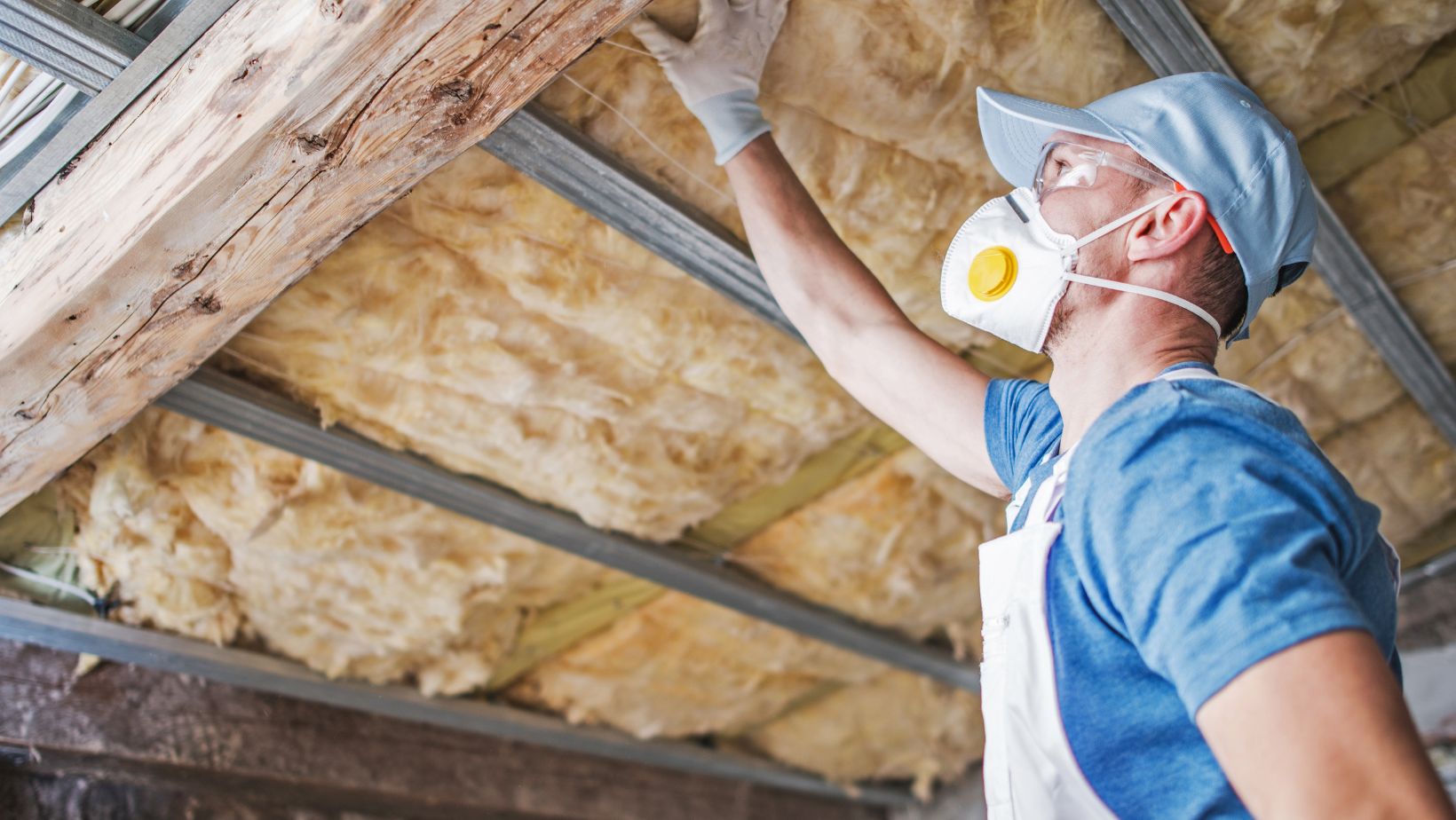
• Spray Foam: This is an excellent choice for irregularly shaped roofs. It expands to fill every nook and cranny, creating a solid seal. However, it can be more costly and may require professional installation.
Take the time to weigh these factors against your budget and long-term maintenance capabilities.
Mistake #3: Skipping Professional Advice
The insulation market is filled with options that may seem straightforward at first glance. However, expert guidance can illuminate the best path for your specific needs. Consulting with professionals can help you:
• Identify Load-Bearing Implications: Certain materials may impact the weight distribution across your roof. Understanding this aspect ensures the integrity of your structure.
• Factor in Energy Assessments: Energy audits can reveal weaknesses in insulation that are not immediately obvious. Professionals can recommend bespoke solutions tailored to your findings.
Ignoring this step can result in costly oversights that compromise both efficiency and safety.
Mistake #4: Neglecting Installation Quality
Even the finest insulation can fail if installed improperly. A poor installation can lead to significant energy losses, air leaks, and moisture problems. Common issues include:
• Gaps and Compression: Poorly laid insulation can create thermal bridges, reducing its effectiveness. Ensure that materials fit snugly with no compression.
• Air Barriers: Air leaks can nullify the benefits of insulation. Ensure the installation crew provides adequate air sealing to prevent drafts.
To sidestep these pitfalls, hire experienced professionals or educate yourself thoroughly if you opt for DIY installation. Resources like the one mentioned earlier provide valuable information on how to do it right.
Mistake #5: Underestimating the Importance of Ventilation
Often neglected in discussions about insulation is the necessity of ventilation. Roof insulation should work in tandem with proper airflow to prevent issues such as overheating and moisture build-up. Neglecting ventilation can lead to:
• Ice Dams: In colder climates, blocked airflow can cause snowmelt to freeze at the roof’s edge, leading to expensive repairs.
• Mold Growth: Inadequate ventilation can lead to trapped moisture, encouraging mold growth that poses health risks.
Re-Assess your roof design and include vents to optimize performance, prolong lifespan, and eliminate potential hazards.
Conclusion: Making Informed Choices
Choosing roof-only insulation solutions is a task that demands careful thought and consideration. Given its direct impact on energy efficiency and comfort, the decision-making process should be thorough. By avoiding the common mistakes outlined above—whether it’s understanding climate conditions, choosing the right materials, seeking expert advice, focusing on quality installation, or ensuring adequate ventilation—homeowners can significantly enhance their insulation strategy.
Investing time to conduct research and consult resources like those from Bluetex will provide the insights needed to make well-informed decisions, leading to a more comfortable and energy-efficient living space. Always remember, a well-insulated roof is not just a detail; it’s a foundational element of a well-functioning home.
More Stories
Planning Plumbing Access Before Closing Walls in a Renovation
How to Read a Cabinet Spec Sheet: A Term-by-Term Translation
Why Compact Homes Are Growing in Popularity