
A blocked toilet can feel like an unexpected crisis, often occurring at the most inconvenient times. While it’s tempting to grab a plunger or a bottle of drain cleaner and resolve the issue on your own, quick fixes frequently fall short. Understanding why these temporary solutions often fail can help you make more informed choices when it comes to dealing with toilet blockages.
The Nature of Blockages
Toilets can become blocked for a variety of reasons, and identifying the cause can be pivotal in resolving the issue effectively. Common culprits include:
• Excessive waste: Flushing too much toilet paper or items that aren’t meant to be flushed (like wipes) can easily overwhelm the plumbing system.
• Pipe problems: Older homes might have narrow pipes or misaligned joints that create opportunities for clogs.
• Tree roots: In some scenarios, roots can infiltrate sewer lines, leading to blockages further down the line.
Each obstruction has unique characteristics, and the approach to unclogging should reflect this. Misjudging the type of blockage can lead to ineffective fixes, compounding the issue rather than resolving it.
Why Quick Fixes Often Fail
Lack of Diagnosis
One primary issue with immediate fixes is a failure to properly diagnose the blockage. Over-the-counter solutions may work on minor clogs but prove useless against more entrenched problems like tree roots. As a result, homeowners may find themselves repeating the process, often leading to frustration and further damage.
Chemical Solutions Risk
Many people turn to chemical drain cleaners in a moment of desperation. While these products might dissolve organic matter, they can be destructive to your plumbing. Chemical cleaners can corrode pipes over time, leading to leaks or even complete pipe failure. They may also be ineffective against non-organic blockages, like toys or other foreign objects.
Insufficient Tools
A plunger is a common household tool and can be effective for certain types of clogs. However, it is not always the silver bullet everyone hopes it will be. If the blockage is far down in the system or requires more specialized equipment, a basic plunger may simply not suffice.
Band-Aid Solutions
Often when homeowners attempt a quick fix, they are merely applying a band-aid to a deeper issue. For example, if a recurring clog is happening due to inadequate drainage, then merely clearing the blockage won’t solve the underlying issue. A more comprehensive approach is required to address both the symptoms and the causes.
The Case for Professional Help
If you’re dealing with persistent toilet problems, it may be better to seek help. Urgent toilet unblocking services by FloWise can provide you with the expertise needed to tackle stubborn blockages.
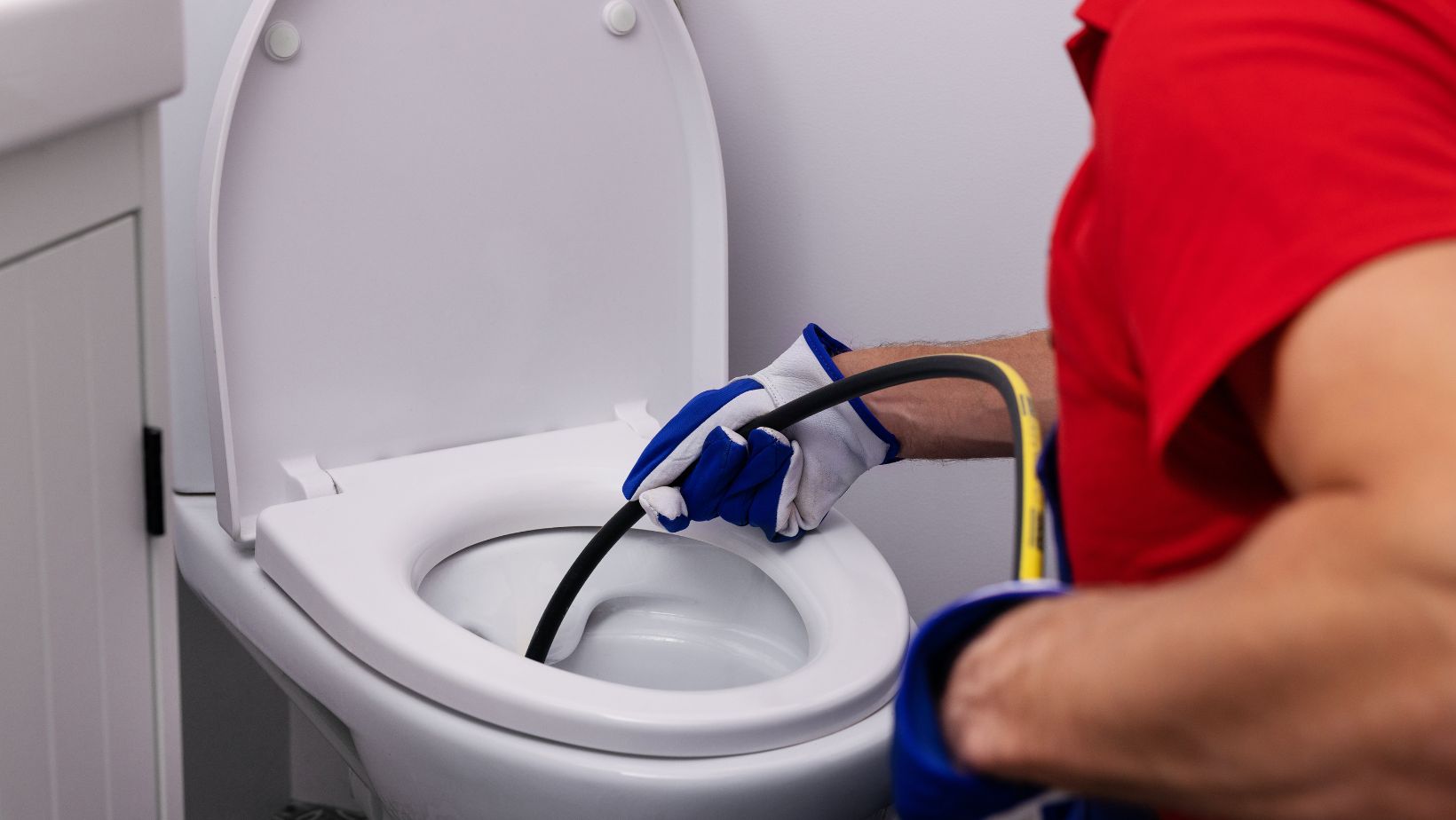
Professionals possess not only the right tools but also the experience to diagnose the issue accurately, ensuring that the solution is effective and lasting.
The Cost of Ignoring the Problem
Handling a blocked toilet might feel like a simple task, and often individuals will gamble on a temporary remedy to avoid costs. However, DIY methods can lead to more expensive repairs in the long run. Neglecting to seek professional help can result in damage that escalates, requiring extensive plumbing work and increased financial strain.
Long-Term Solutions
Regular Maintenance
The best strategy for avoiding future blockages is preventative care. Here are a few tips for maintaining the health of your toilet:
• Know what to flush: Only flush toilet paper and human waste. Avoid flushing items like feminine hygiene products or wipes.
• Regular inspections: Periodically inspect your plumbing for signs of wear and tear. Look for signs of leaks or corrosion.
• Educate family members: Ensuring everyone in the household understands proper toilet use can significantly reduce the risk of blockages.
Upgrading Plumbing
If blockages are a recurring issue, consider evaluating your plumbing system. Older toilets, particularly those with low flow rates, can be less effective at clearing waste. Upgrading to a more modern toilet can mitigate frequent clogs and contribute to better water conservation.
When to Call in Professionals
Recognizing when a DIY approach simply won’t cut it is essential. If you’ve tried to resolve the issue multiple times with no success, it’s time to call in the professionals. Experienced plumbers can employ advanced techniques like:
• Drain cameras: These allow for an internal view of pipes, identifying issues that are not visible from the surface.
• Hydro-jetting: This method uses high-pressure water to clear stubborn obstructions more effectively than traditional plungers or chemicals.
• Pipe inspections: Regular inspections can prevent major issues down the line and are a critical component of home maintenance.
Conclusion
Quick fixes for blocked toilets may seem convenient, but they often mask deeper, underlying problems. Relying on immediate solutions without fully understanding the issue can lead to greater frustration and expense in the long run. By focusing on long-term strategies—such as regular maintenance and knowing when to enlist the expertise of professionals—we can better manage and prevent toilet blockages. Whether you’re troubleshooting minor issues or tackling more significant problems, a thorough understanding of your plumbing is invaluable, helping to keep your bathroom running smoothly for years to come.
More Stories
How To Boost Your Home’s Security Without Ruining What Your Home Looks Like
Home EV Charger Installation: What to Know Before You Book an Electrician
Flyarq CarbonTech Modular Renovation Deals: A Practical Guide To Faster, Greener Home Upgrades