
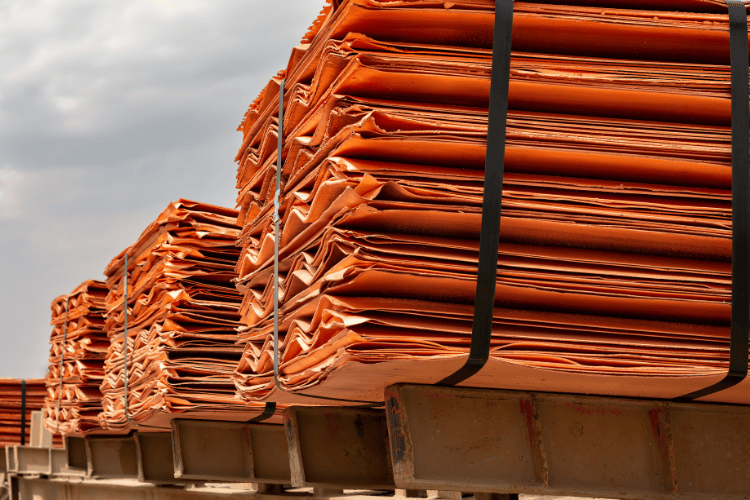
For years, architectural interiors leaned heavily on composites, synthetics, and finishes designed to imitate something else. Wood-look tiles, faux stone countertops, and laminate surfaces promised durability and affordability—but often at the cost of character. Today, the pendulum is swinging back. Architects and homeowners alike are rediscovering the value of honest materials: elements that look, feel, and age exactly as they are.
Among these, metal—especially copper, stainless steel, and other architectural metals—has re-emerged as a defining material in contemporary homes. Once associated mainly with utilities or industrial spaces, metal finishes are now celebrated for their warmth, adaptability, and expressive potential across both interiors and exteriors.
What “Honest Materials” Really Mean
In architectural design, an honest material is one that does not disguise its nature. It reveals its texture, weight, and imperfections openly. Rather than hiding wear, it embraces patina, oxidation, and change over time as part of its aesthetic value.
Metal fits this philosophy beautifully. A copper sink does not pretend to be stone. A steel table does not try to feel like wood. Instead, these materials communicate clarity and intention—qualities that resonate strongly in modern architecture, where restraint and authenticity are prized.
Why Metal Finishes Are Gaining Ground In Homes
The renewed interest in metal finishes is not a passing trend. It reflects deeper shifts in how people think about their living spaces.
First, there is longevity—metal surfaces, when properly crafted, last for decades. Unlike coated or layered materials, they do not delaminate or peel. They can be refinished, repaired, and recontextualized as styles evolve.
Second, there is versatility. Metals can feel sleek and modern or warm and artisanal, depending on how they are finished. A brushed stainless steel countertop reads very differently from a hand-hammered copper bathtub, yet both belong comfortably within contemporary design.
Finally, there is emotional value. In an age of mass production, homeowners are increasingly drawn to materials that feel grounded and tactile—surfaces that tell a story through use.
Copper As A Living Surface
Copper occupies a unique place among architectural metals. It is visually warm, naturally antimicrobial, and constantly evolving. Exposure to air, water, and touch creates a living patina that darkens and shifts over time, making each installation one of a kind.
In residential design, copper is no longer confined to accents or fixtures. It is increasingly specified for sinks, bathtubs, countertops, tabletops, and even outdoor elements like fire pits and planters. These applications allow copper to serve as both a functional surface and a focal point.
For homeowners considering metal finishes, copper offers a compelling balance: it feels luxurious without being flashy, expressive without being overwhelming.
Integrating Metal Thoughtfully Into Interior Spaces
One of the biggest misconceptions about metal in the home is that it must feel cold or industrial. In reality, metal works best when used with intention and balance.
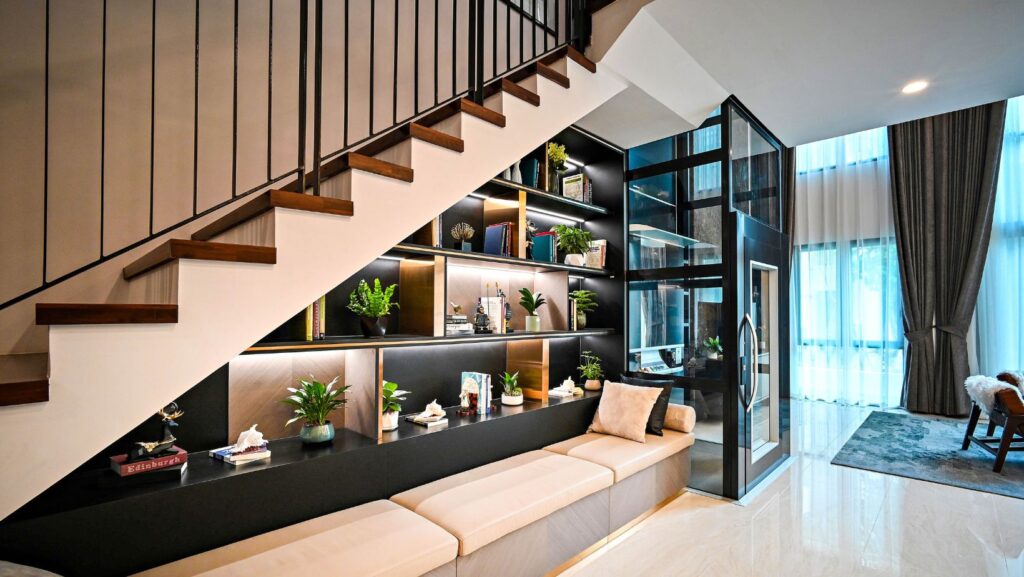
In kitchens, a metal sink or countertop pairs well with natural wood cabinetry, stone floors, or plaster walls. The contrast enhances both materials, allowing each to stand out. In bathrooms, metal bathtubs or basins can soften minimalist spaces, adding depth and warmth to otherwise clean-lined environments.
Furniture is another area where metal is making a quiet comeback. Metal dining tables, seating bases, and custom tabletops offer structural honesty and visual clarity. When combined with organic forms or mixed materials, they anchor spaces without dominating them.
Craft-focused makers such as CopperSmith demonstrate how metal pieces can feel architectural rather than decorative—designed as integral elements of a space, rather than afterthoughts.
Metal In Outdoor And Transitional Spaces
Metal’s durability makes it especially suited for outdoor and semi-outdoor environments. Fire pits, outdoor tables, planters, and architectural details crafted from copper or steel age gracefully when exposed to the elements.
Rather than fighting weathering, these materials embrace it. Over time, they develop a character that reflects their environment—sun, rain, heat, and use —leaving subtle marks. This makes metal an ideal choice for architects seeking continuity between indoor and outdoor spaces.
Transitional areas like courtyards, covered patios, and entryways benefit from metal’s ability to visually connect interior finishes with exterior forms, reinforcing a cohesive architectural language.
Sustainability And Material Integrity
Sustainability discussions in architecture often focus on energy efficiency and building systems, but material choice plays an equally important role. Metals score highly in this regard.
Copper and stainless steel are recyclable without loss of quality. They also reduce the need for frequent replacement, which lowers long-term material consumption. When sourced responsibly and fabricated with care, metal elements align well with sustainable design principles.
Moreover, choosing durable, repairable materials encourages a mindset of stewardship rather than disposability—an increasingly important consideration in residential architecture.
Designing For Aging, Not Perfection
One of the most compelling arguments for metal finishes is their relationship with time. Unlike surfaces designed to remain pristine, metal accepts change. Scratches, soft dents, and tonal shifts become part of the narrative.
This quality resonates with modern architectural thinking, which increasingly values spaces that evolve alongside their occupants. Homes are not static showpieces; they are lived-in environments. Materials that reflect that reality tend to feel more authentic and satisfying over the long term.
Making Metal Feel Personal
For homeowners considering metal finishes, the key is customization. The choice of finish, texture, thickness, and form dramatically influences how a metal element feels within a space.
Handcrafted pieces—whether sinks, bathtubs, or furniture—introduce subtle variations that make a home feel personal rather than generic. These details are often what elevate a design from competent to memorable.
Working with designers and fabricators who understand architectural intent ensures that metal elements complement the overall vision rather than competing with it.
A Material That Reflects Intentional Living
The return of honest materials is less about nostalgia and more about clarity. Metal finishes offer a direct, unfiltered relationship between material and form—something increasingly valued in contemporary architecture.
For homeowners, incorporating copper and metal craftsmanship is not about making a statement for its own sake. It is about choosing materials that align with how they want to live: thoughtfully, sustainably, and with an appreciation for things that improve with age.
In that sense, metal is not just a finish. It is a philosophy—one that places integrity, longevity, and craftsmanship back at the center of the home.
More Stories
Planning Plumbing Access Before Closing Walls in a Renovation
How to Read a Cabinet Spec Sheet: A Term-by-Term Translation
Why Compact Homes Are Growing in Popularity