
The roof is often called the fifth facade of a home. While walls define interior spaces and windows frame views, the roof ties everything together, creating the silhouette that neighbors see from the street and that homeowners live under for decades. Yet roof design rarely receives the same attention as kitchen layouts or bathroom finishes during the planning process.
This oversight is unfortunate because roof choices influence far more than weather protection. The right roof design enhances architectural style, improves energy efficiency, and can dramatically increase property value. The wrong choice can undermine even the most thoughtful home design.
The Architecture of Roof Lines
Every architectural style has a characteristic roof profile. Colonial homes feature symmetrical gable roofs with moderate pitches. Mediterranean designs showcase low-pitched hip roofs with terra cotta tiles. Modern architecture often embraces flat or butterfly roofs that challenge traditional expectations.
Understanding these relationships helps homeowners make design decisions that feel intentional rather than arbitrary.
Gable roofs remain the most common residential design in North America. Two sloping planes meet at a central ridge, creating the classic triangular shape children draw when sketching houses. Gable roofs excel at shedding rain and snow, provide excellent attic ventilation, and work with virtually any exterior material. Their simplicity also makes them cost-effective to build and maintain.
The pitch of a gable roof dramatically affects its visual impact. Steep pitches create dramatic, vertical emphasis suited to Tudor and Gothic Revival styles. Moderate pitches complement Colonial and Cape Cod designs. Lower pitches work well with Ranch and Contemporary homes.
Hip roofs slope inward from all four walls, meeting at a ridge or single point. This design offers superior wind resistance, making it popular in hurricane-prone regions. Hip roofs also provide consistent overhangs on all sides, protecting walls from rain and sun exposure equally. The Insurance Institute for Business and Home Safety has documented that hip roofs generally perform better than gable roofs in high-wind events due to their aerodynamic shape.
Mansard roofs feature four sides with two slopes each, the lower slope being steeper than the upper. This French-inspired design maximizes usable attic space, effectively creating an additional floor within the roof structure. Mansard roofs suit Victorian and Second Empire architecture, adding dramatic visual interest while providing practical living space.
Flat roofs are not truly flat but incorporate slight slopes for drainage. They define modern and contemporary architecture, creating clean horizontal lines that contrast with traditional pitched designs. Flat roofs also enable rooftop gardens, outdoor living spaces, and solar panel installations with minimal visual impact.
Material Choices and Visual Impact
Roofing materials contribute texture, color, and character that either complement or conflict with overall home design. Selecting materials involves balancing aesthetics, climate performance, longevity, and budget.
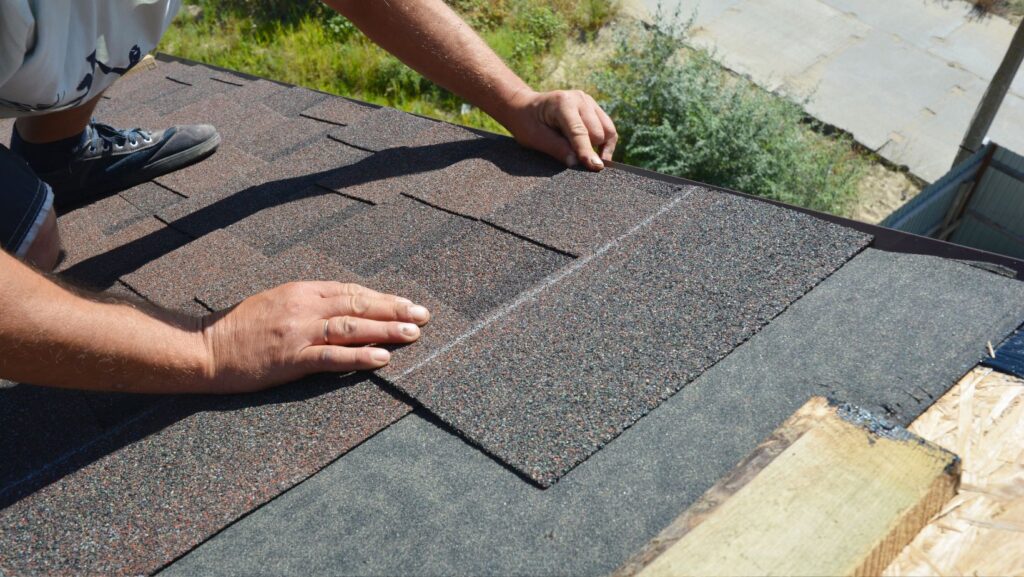
Asphalt shingles dominate the residential market, covering approximately 80% of American homes according to the Asphalt Roofing Manufacturers Association. Modern architectural shingles offer dimensional profiles that mimic more expensive materials like wood shake or slate. Available in dozens of colors, asphalt shingles adapt to virtually any architectural style while remaining budget-friendly.
The visual weight of asphalt shingles varies by style. Three-tab shingles create flat, uniform surfaces suited to modest homes. Architectural shingles add shadow lines and depth appropriate for larger homes. Premium designer shingles replicate the appearance of natural materials at a fraction of the cost.
Metal roofing has evolved far beyond agricultural buildings. Standing seam metal roofs suit modern and contemporary designs with their clean vertical lines. Metal shingles and tiles can replicate traditional materials while offering superior longevity and energy efficiency. Metal reflects solar radiation, reducing cooling costs in warm climates by 10% to 25% according to energy research studies.
Color choices for metal roofing range from subtle earth tones to bold architectural statements. A charcoal standing seam roof can anchor a modern farmhouse design. Copper roofing develops a distinctive green patina over time, adding character to traditional and transitional homes.
Clay and concrete tiles define Mediterranean, Spanish Colonial, and Southwestern architecture. Their substantial weight requires reinforced roof structures but rewards homeowners with 50 to 100 year lifespans. Tile roofs perform exceptionally in hot climates, with air channels beneath the tiles providing natural ventilation that reduces heat transfer to living spaces.
Slate roofing represents the premium tier of residential roofing materials. Natural slate can last 150 years or more with proper installation and maintenance. Its distinctive appearance suits historic homes, formal Georgian designs, and high-end custom construction. Synthetic slate products offer similar aesthetics with reduced weight and cost.
Wood shakes and shingles provide organic warmth that complements Craftsman, Cottage, and rustic architectural styles. Cedar remains the most popular wood roofing material, offering natural resistance to insects and decay. Wood roofs weather to silver-gray tones over time, creating an aged appearance some homeowners cherish and others prefer to prevent through regular treatment.
Design Principles for Roof Selection
Successful roof design follows principles that transcend specific styles and materials.
Proportion matters. A roof should balance visually with the walls below. Homes with substantial wall heights can support steeper roof pitches. Single-story homes often look better with moderate or low pitches that do not overwhelm the structure.
Overhangs protect and define. Roof overhangs shield walls from rain, reduce solar heat gain through windows, and create shadow lines that add architectural interest. Deep overhangs suit Craftsman and Prairie styles. Minimal overhangs complement modern designs. The overhang depth should relate to climate, with deeper projections appropriate for rainy regions.
Complexity adds cost. Every valley, hip, and dormers increases both installation expense and long-term maintenance requirements. Simple roof forms often age better and leak less than complicated designs with multiple intersecting planes. When planning roof complexity, homeowners should consider whether architectural interest can be achieved through other elements.
Color affects perception. Dark roofs make homes appear smaller and more grounded. Light roofs can make structures feel larger and reflect more solar heat. The roof color should complement siding, trim, and landscape elements rather than matching exactly.
Practical Considerations for Homeowners
Beyond aesthetics, roof design affects daily living in ways homeowners should anticipate.
Attic space depends directly on roof pitch. Steep roofs create usable attic areas for storage or finished living space. Low-pitched roofs may provide only crawl space access for mechanical systems and insulation.
Energy efficiency varies by material, color, and ventilation design. Getting multiple roof quotes allows homeowners to compare options and understand how different choices affect long-term energy costs. Cool roofing materials certified by Energy Star can reduce roof surface temperatures by up to 50 degrees Fahrenheit compared to standard materials.
Maintenance requirements differ substantially across materials. Asphalt shingles may need replacement every 20 to 30 years. Metal and tile roofs can last 50 years or more with periodic inspections and minor repairs. Wood roofs require regular treatment to prevent moss, mildew, and premature deterioration.
Local regulations sometimes restrict material and color choices. Historic districts often mandate specific roofing materials. Homeowner associations may limit options to approved palettes. Checking restrictions before finalizing designs prevents expensive revisions.
The Long View on Roof Design
A roof is not merely functional infrastructure. It is a design element that shapes how a home feels from both inside and outside, how it performs through seasons and decades, and how it contributes to neighborhood character.
Homeowners who give roof design the attention it deserves create homes that feel complete and intentional. Those who treat roofing as an afterthought often find themselves living with a mismatch between their architectural vision and the reality overhead.
The best time to think carefully about roof design is before construction or renovation begins. The second best time is now.
More Stories
How To Contact The FlyArchitecture Crew: A Practical Guide For 2026
How to Stay Sane While Renovating Your Home
How Luxury Above-Ground Pools Stand Apart from Standard Pool Options: Benefits and Features