
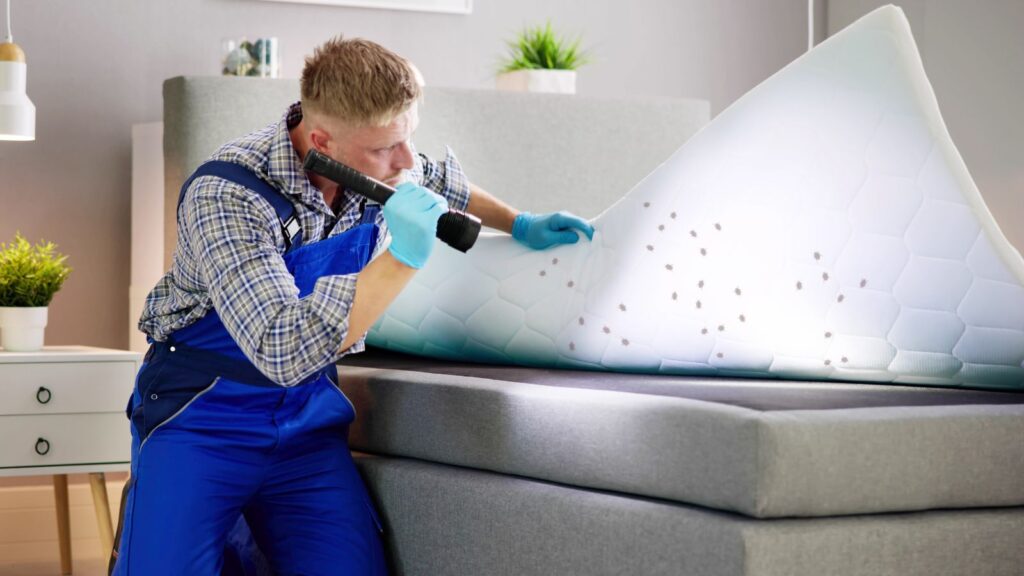
Bed bug heat treatment has a reputation for being the “one-and-done” option—and in many cases, it can be the fastest route to wiping out an active infestation. But it’s not magic, and it’s not automatically the best fit for every property, timeline, or budget. The difference between a clean win and an expensive disappointment usually comes down to what you understand before the technicians arrive.
If you’re considering heat, here are seven practical, experience-backed things to know first—so you can ask better questions, prepare properly, and judge the results fairly.
How Heat Treatment Actually Works (And Where It Can Go Wrong)
Heat treatment aims to raise the temperature of the treated space high enough, long enough, to kill bed bugs at all life stages—eggs included. That “long enough” part matters. A room might feel hot to you at the doorway, but bed bugs don’t live in the doorway. They wedge into seams, voids, and insulated pockets where heat takes time to penetrate.
The most common causes of failure aren’t mysterious. They’re usually one of these: uneven heating, rushed dwell time, poor monitoring, or clutter and contents that block airflow. Heat is powerful, but it’s also physics—cold spots can protect bugs.
The 7 Things To Know Before You Book
1) Heat Is Only As Good As The Temperature At The Hiding Spots
It’s not enough for the thermostat to show a high number. The question is: what temperature is reached inside mattresses, behind headboards, inside drawers, and along skirting gaps? Reputable operators use multiple sensors placed in the hardest-to-heat areas and keep the space at lethal temperatures for a sustained period.
When you speak to a provider, ask how they monitor and document temperatures. If the answer is vague (“we heat it up really hot”), treat that as a red flag.
2) Eggs Are The Real Benchmark—Ask How They’re Targeting Them
Adult bed bugs are comparatively easy to kill. Eggs are tougher, and they’re often tucked into protected creases where heat arrives last. A proper treatment plan accounts for that by managing airflow, rearranging items strategically, and maintaining lethal temperatures long enough for heat to soak through thicker materials.
If a company talks mainly about “driving bugs out” and doesn’t mention eggs, you’re not hearing the full story.
3) Your Prep Work Can Make Or Break The Result
Heat treatment is a team effort. Even the best equipment struggles if the room is packed, inaccessible, or arranged in a way that traps cool zones. It’s worth reading a clear guide to what’s involved in professional heat work—this overview of effective solutions that work for stubborn bed bugs is a helpful reference for understanding what the process should look like and why preparation matters.
In practical terms, good prep reduces “thermal shadow” (areas shielded from direct heat flow) and helps technicians place sensors where they matter.
Here’s the only checklist you really need—confirm these points with your provider and follow their specific instructions:
- Reduce clutter so heat and air can circulate around furniture and stored items
- Empty or loosen tightly packed drawers/wardrobes (dense stacks can insulate bugs)
- Isolate heat-sensitive items (candles, aerosols, some cosmetics, certain electronics)
- Bag laundry properly and follow instructions on what should be heat-treated vs removed
- Make beds and key furniture accessible (headboards, frames, bedside units)
Do that well and you’re not just “getting out of the way”—you’re improving the odds of full exposure.
4) Not All Infestations Are Equally Suited To Heat
Heat is excellent for contained infestations in single rooms or well-defined zones. It can be less straightforward in multi-unit buildings, properties with complex voids, or cases where bed bugs may be moving between flats. In those settings, a heat-only approach might clear one space while the source remains next door.
If you live in a block of flats, ask the uncomfortable but necessary question: “How will we rule out reinfestation from adjacent units?” Sometimes that means coordinated inspections, targeted residual treatments in shared pathways, or at least a plan for monitoring after the heat visit.
5) The Finest Providers Combine Heat With Targeted Follow-Up—Not Necessarily More Chemicals
Some people book heat specifically to avoid pesticides. That’s understandable. But “no chemicals” shouldn’t be confused with “no strategy.” Many of the most reliable programmes use heat as the main event and then apply limited, targeted measures where appropriate: dusts into voids, encasements on mattresses, interceptor traps, or follow-up inspections to confirm activity has stopped.
A confident operator won’t oversell you on extras, but they also won’t pretend heat alone is perfect in every scenario. What you want to hear is a clear rationale: what they’ll do on the day, what they’ll look for afterward, and how they’ll confirm success.
6) You’ll Need To Plan For Downtime—And A Bit Of Disruption
A full heat treatment can take several hours, sometimes most of a day depending on room volume, contents, and starting temperatures. You’ll almost certainly need to be out of the property during the process, and you may need to relocate pets as well.
Also expect some upheaval: furniture may be moved, mattresses stood on edge, drawers opened, and items repositioned to prevent cold pockets. If a provider promises a totally hands-off experience with zero disruption, be sceptical. Minimal disruption is nice; inadequate access is not.
7) “Guaranteed” Is Only Meaningful If You Understand The Terms
Bed bugs are experts at hitchhiking. A guarantee that ignores human behaviour (travel, second-hand furniture, visitors, shared laundry areas) can sound comforting while offering little practical protection.
Instead of focusing on the word “guarantee,” ask specifics:
- What counts as treatment failure versus a new introduction?
- What evidence do they require (photos, specimens, inspection)?
- Is a re-treatment included, discounted, or fully chargeable?
- How long is the follow-up window, and what monitoring is recommended?
A transparent policy is often a better sign than an overly bold promise.
A Quick Way To Judge Whether Heat Is The Right Next Step
If you want a simple gut-check, ask yourself: can you prepare the space properly, and can the provider explain—clearly—how they’ll eliminate cold spots and confirm lethal temperatures at bed bug hiding sites? If yes, heat may be an excellent option.
If not, pause. You might still choose heat, but you’ll want tighter planning, better oversight, or a combined approach that includes monitoring and follow-up. Bed bugs are beatable—but they punish shortcuts. The best booking decision you can make is the one based on process, not hope.
More Stories
How Architectural Design Shapes a Building’s Depreciation Schedule in California
The Moving Challenges Homeowners Often Underestimate
InsideTheHome: FlyArchitecture—How Lightweight Design Transforms Modern Living (2026 Guide)