
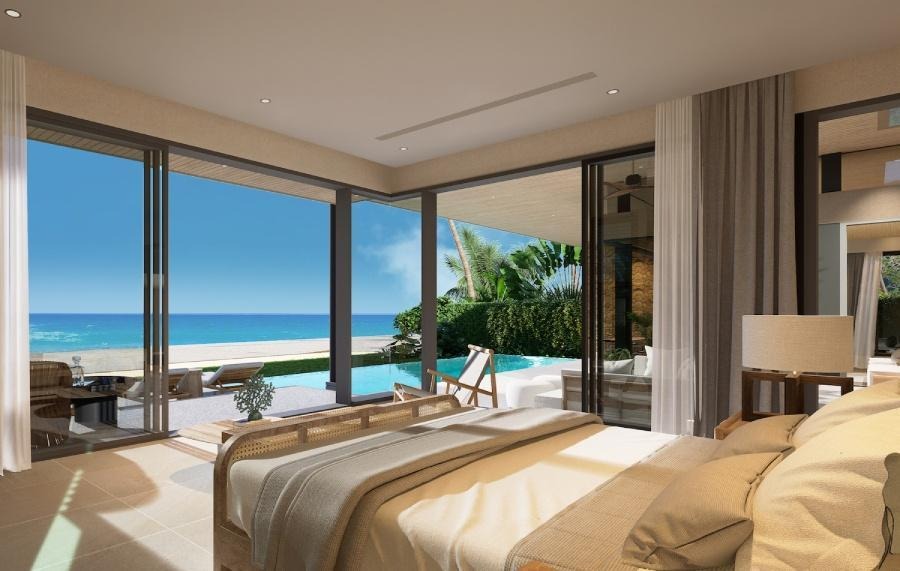
Beachfront real estate in Thailand stays in demand because it offers lifestyle value and rental potential in a tourism-driven market. But “prime” does not simply mean a famous island name. Prime means a mix of access, beach quality, legal clarity, rental demand, and resale liquidity. Coastal property also needs stricter due diligence than inland assets because shoreline rules, setbacks, and erosion risk can affect what can be built and what can be rebuilt.
This guide explains how to evaluate prime beachfront locations and then compares the best performing areas across the Andaman Coast and the Gulf of Thailand. It also highlights the legal reality for foreign buyers, which is critical for any beachfront decision. For buyers who want curated options and developer led inventory, beachfront property in Thailand can be a useful starting point.
What makes a beachfront location “prime” in Thailand
A prime beachfront location usually checks five boxes.
First is connectivity. Places with international airports or short transfer times tend to perform better for rentals and resale because they attract more short stay travelers and a wider buyer pool. This is one reason Phuket and Pattaya type condo markets tend to be more liquid than smaller islands.
Second is true beachfront scarcity. Many listings marketed as beachfront are actually across a road or have indirect access. Prime locations are the ones where direct beach access is realistic and legally supported, and where the beachfront supply is limited by geography and planning controls.
Third is legal clarity. Land title type, access rights, and zoning matter more on the coast. Chanote title, also known as Nor Sor 4 Jor, is typically the strongest title category and is often considered the benchmark for secure transactions and easier financing. Coastal setbacks and protected zones can also limit renovation or rebuilding, so the “prime” label should include rebuildability, not just views.
Fourth is rental demand depth. Rental performance is highly micro location specific. Wave action, beach width, walkability to dining, and proximity to beach clubs, marinas, and hospitals often drive occupancy more than the province name.
Fifth is exit strategy. Locations with established international markets and foreign buyer friendly product types usually provide better resale liquidity. Niche locations can perform well but may take longer to exit.
Legal reality for foreign buyers near the beach
Foreigners generally cannot directly own freehold land in Thailand, with narrow exceptions that are uncommon in practice. Since most beachfront villas sit on land, foreign buyers often use a 30 year leasehold structure. Renewals are contractual and not automatic by law, so the lease terms and enforcement risk should be reviewed carefully.
For many foreign buyers, the cleanest structure is a condominium freehold purchase, because foreign ownership is permitted up to 49 percent of a condominium project’s saleable area under the Condominium Act. This matters for prime locations because areas with established beachfront or sea view condo stock can be more accessible to international buyers than villa only beachfront stretches.
Thai company structures are frequently marketed. They can create compliance risk if nominee arrangements are used. For any beachfront deal, buyers typically benefit from an independent Thai property lawyer to verify ownership, access, and coastal constraints.
It is also important to understand that “private beach” is rare. Beaches are generally public, so prime beachfront listings usually mean direct beach access rather than private ownership of the sand.
Andaman Coast vs Gulf of Thailand
Thailand’s two main beach regions attract different buyer profiles.
The Andaman Coast includes Phuket, Phang Nga, and Krabi. It has very strong international branding, especially in Phuket, and a broad tourism ecosystem. Seasonality is a factor, with monsoon patterns typically concentrated mid year, although timing varies.
The Gulf of Thailand includes Koh Samui, Hua Hin, and Pattaya areas. Rain patterns differ and can complement the Andaman season in some periods. Product mix also differs. Samui is more villa led, while Pattaya and Hua Hin have heavier condo supply, which can increase foreign buyer accessibility through freehold condos within the foreign quota.
Prime locations for beachfront property in Thailand
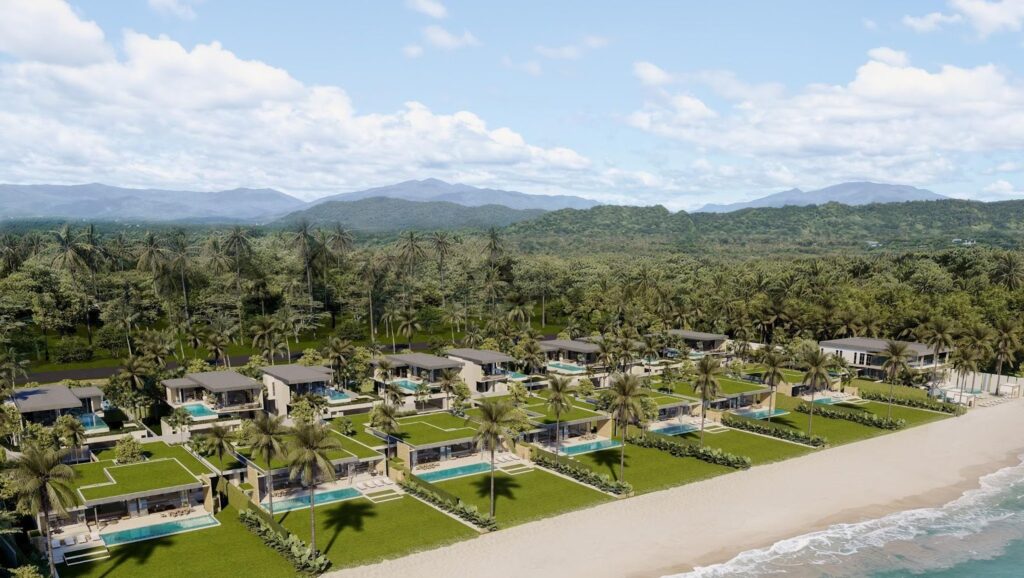
Phuket
Phuket is widely viewed as Thailand’s most liquid international beachfront market. It has a broad buyer base and strong tourism infrastructure, which supports both rentals and resale. It also offers a wider range of product types than many islands, including sea view condos, some beachfront condo options, branded residences, and villas that are often leasehold for foreigners.
Sub areas perform differently. The West Coast areas such as Bang Tao, Laguna, Surin, and Kamala are positioned for upscale lifestyle and luxury buyers. These zones benefit from resort amenities, beach clubs, and a more family friendly feel in many pockets. Patong tends to have the highest mass market rental churn because it is nightlife driven. Yields can be strong, but pricing and management quality matter, and some buyers discount the noise and density. Kata and Karon often sit in the middle, with strong family appeal and longer stay demand.
A core Phuket pricing driver is scarcity of true beachfront parcels. Many “beachfront” listings are separated from the sea by a road or have indirect access. For prime assets, buyers typically verify the physical frontage, legal access route, and any setback lines that could affect future renovation.
Phang Nga
Phang Nga, north of Phuket, is a prime option for buyers who want “near Phuket access with more privacy.” It can offer lower density beachfront settings while still being within reach of Phuket International Airport. This makes it attractive for ultra luxury buyers who prioritize quiet, space, and nature over walkability to nightlife.
Natai Beach is often referenced as a standout area with luxury resorts and high end villa positioning. The appeal is calm beaches and a quiet luxury brand. The tradeoff is fewer services on the doorstep compared with Phuket, so the investment case depends on whether the buyer values seclusion and privacy more than convenience.
Krabi
Krabi is scenery driven. Its iconic landscapes support tourism demand and holiday rental interest, and some segments can offer value relative to Phuket. Ao Nang and the Railay vicinity benefit from name recognition, but micro location matters more than the headline destination. Access constraints, protected areas, and coastal development rules can restrict supply and also limit what an owner can build or expand.
For prime selection, buyers typically prioritize ease of access, proximity to amenities, and legal clarity on development constraints. In constrained coastal zones, the ability to legally renovate or rebuild can be a key determinant of long term value.
Koh Samui
Koh Samui is a premium lifestyle destination with a strong villa market. It is popular for wellness, longer stays, and upscale tourism. Seasonality differs from the Andaman side, and in some periods Samui can attract visitors when Phuket is wetter.
Samui’s rental and lifestyle hotspots include Chaweng and Bophut, including Fisherman’s Village, where dining and walkability support occupancy. Choeng Mon is often positioned as quieter and more upscale, with strong family appeal. Lamai can be more relaxed and can present value opportunities depending on the exact bay and beach conditions.
Samui is more villa heavy than Phuket, and there are fewer straightforward foreign freehold condo options. That means foreign buyers often rely on leasehold structures for villas, so the quality of legal setup and due diligence becomes even more important. Island infrastructure and carrying capacity, such as traffic and utilities, are also becoming more important in buyer decision making.
Hua Hin and Cha Am
Hua Hin and Cha Am are established seaside markets on the Gulf mainland. They are strongly supported by Bangkok based second home demand and retiree demand, which can make the market feel more stable and less dependent only on international flight cycles. The area also has livability strengths, including hospitals, golf, malls, and a long standing expat community.
A practical advantage is the presence of more beachfront condominium product, which can be simpler for foreign buyers when purchased as freehold within the foreign quota. For rentals, the area can perform well for weekend demand and longer stay tenants such as retirees and remote workers, depending on building quality and location.
Beach conditions vary by micro area, and swimmability can be seasonal. Prime selection often comes down to beachfront quality, maintenance of common areas, and proximity to town amenities.
Pattaya, Jomtien, and Na Jomtien
The Pattaya region is a major condo market with strong foreign participation and large rental volume. It is also within reach of Bangkok, which supports short breaks and frequent travel demand. Many projects offer foreign freehold quotas, which increases accessibility for international buyers compared with villa led beachfront markets.
Central Pattaya is high activity and urban beachfront. It can have strong turnover but may not fit buyers seeking quiet beachfront living. Jomtien is generally more residential and popular for longer stays. Na Jomtien has newer, more upscale projects and quieter beachfront stretches.
One risk in high rise markets is oversupply in some segments. Building quality, management, and realistic rental compliance matter. Another key point is the difference between a sea view in a dense skyline and a true beachfront lifestyle with direct access and usable beach frontage.
Emerging option: Koh Phangan
Koh Phangan has selective prime niches, often tied to wellness and long stay demand. Inventory can be limited in the best bays, and premium villa development has increased. However, liquidity is generally lower than in mature markets, and infrastructure can be more uneven. In emerging areas, the “prime” label is bay specific and due diligence heavy.
Risk checklist for beachfront buyers
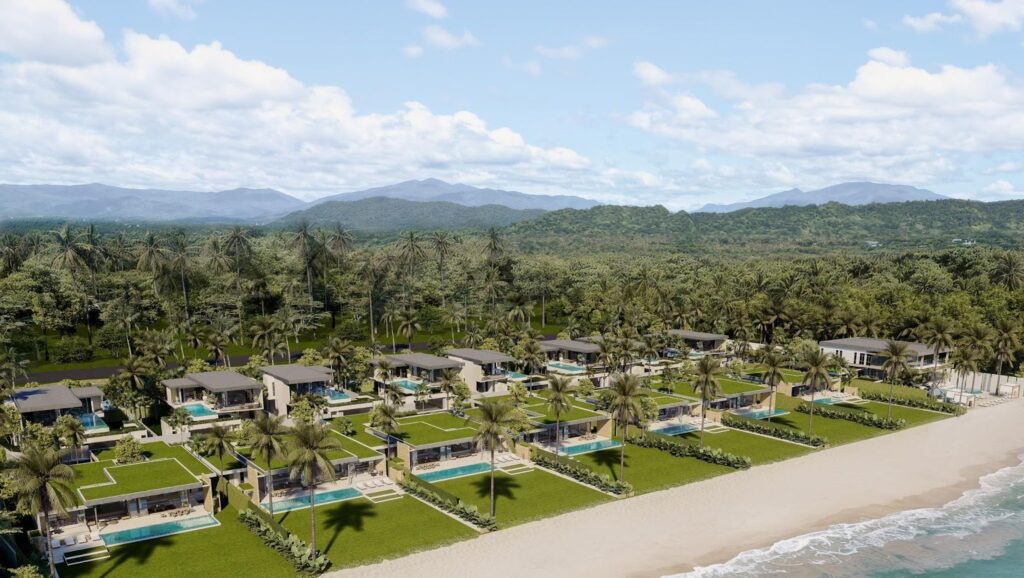
Prime beachfront investing depends on risk control. Erosion and storm exposure can affect insurance and long term maintenance. Setbacks and protected coastal zones can limit renovation or rebuilding. Title strength, legal access, and shoreline rules should be confirmed before any commitment.
Buyers also need to treat rental projections carefully. Short term rentals can trigger hotel licensing issues for condos without the correct approvals, and enforcement can vary by area. A realistic plan includes compliance, professional management, and a location that can attract demand beyond peak season.
Conclusion
Prime beachfront locations in Thailand tend to be the places where access, legal clarity, and rental depth overlap. Phuket leads for liquidity and international demand, with sub areas that fit both family and high yield strategies. Phang Nga offers a quieter luxury alternative near Phuket’s airport. Krabi appeals to buyers driven by scenery, but development constraints require careful checks. On the Gulf side, Samui provides premium villa lifestyle appeal, while Hua Hin and Pattaya often offer more foreign freehold condo options and broader resale markets for certain product types.
In every location, micro location beats macro branding. The most “prime” beachfront property is the one that has verifiable legal structure, strong title and access, resilient coastal characteristics, and a clear exit path.
More Stories
How To Contact The FlyArchitecture Crew: A Practical Guide For 2026
Relief Carving vs Chip Carving: Which Style Should You Learn First
Why Building Rules Matter When Moving Into a Vancouver Condo