
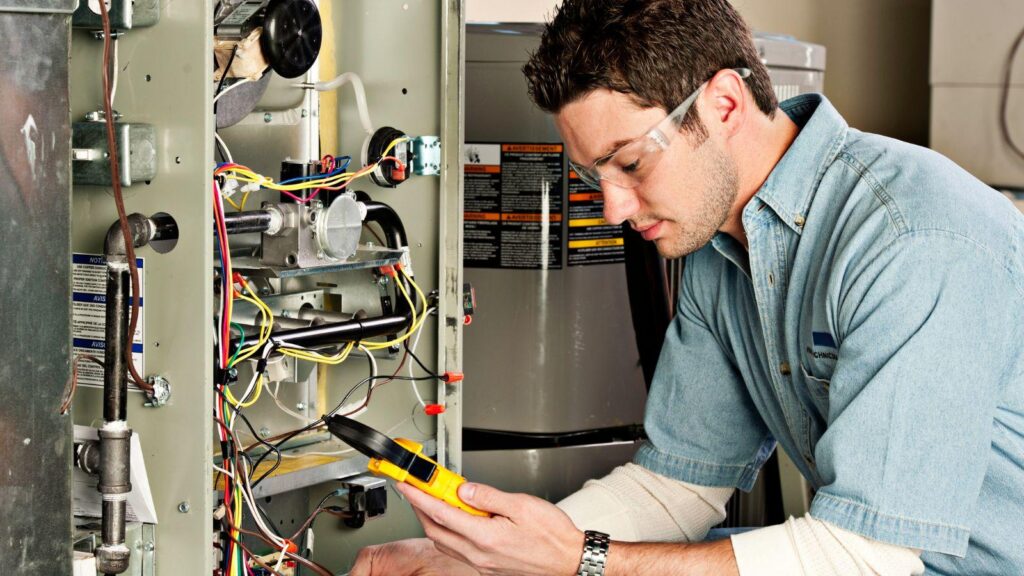
A furnace is one of those household systems that tends to stay out of mind when everything is working properly. You set the thermostat, the heat comes on, and the house stays comfortable. But when the system begins behaving differently—running for unusually short periods, leaving certain rooms cold, or sending your energy bills upward—it may be trying to tell you that something is wrong. These symptoms are easy to dismiss individually, especially during a busy winter, but they can point to developing mechanical, airflow, or efficiency problems.
Understanding common furnace warning signs can help homeowners respond before a minor issue becomes an expensive repair. Not every unusual sound or temperature difference means the furnace is about to fail, but consistent changes in performance deserve attention. The earlier a problem is identified, the easier it may be to restore efficient and dependable heating.
What Is Short-Cycling?
Short-cycling occurs when a furnace turns on and off repeatedly without completing a normal heating cycle. Instead of running long enough to raise the indoor temperature and maintain it comfortably, the system may operate for only a few minutes before shutting down. It may then restart shortly afterward.
A furnace that occasionally cycles differently because the desired temperature has already been reached is not necessarily experiencing a problem. The concern is repeated, unusually frequent cycling that occurs throughout a heating period.
Short-cycling can have several causes. A dirty air filter is one of the simplest possibilities. When airflow becomes restricted, the furnace may struggle to move enough heated air through the system. This can cause internal components to become excessively hot, triggering a safety mechanism that shuts the burner down.
Another possibility is an incorrectly sized furnace. A system that is too large for the home can heat the space quickly and shut off before completing an efficient cycle. While rapid heating may sound beneficial, repeated starts and stops can increase wear on components and create inconsistent indoor temperatures.
Thermostat problems can also contribute. If the thermostat is installed near a heat source, exposed to drafts, or malfunctioning, it may incorrectly determine that the desired temperature has been reached.
Why Short-Cycling Should Not Be Ignored
Frequent cycling places additional stress on a furnace. Starting a heating system requires components such as the blower motor, ignition system, and other electrical and mechanical parts to engage. Repeating this process more often than intended can accelerate wear.
Short-cycling can also affect comfort. Even if the furnace produces plenty of heat, the home may experience noticeable temperature fluctuations. Some rooms may become warm while others remain uncomfortable, particularly if the system is already struggling with airflow or distribution.
There can also be an efficiency issue. A furnace that repeatedly starts and stops may consume energy without delivering heat as effectively as a properly operating system. If the problem continues, homeowners may notice a gradual increase in utility costs.
For these reasons, persistent short-cycling is better treated as a diagnostic clue rather than simply an inconvenience.
Cold Spots Throughout the House
A second warning sign is uneven heating. If one room feels comfortable while another remains noticeably cold, the furnace itself may not necessarily be the only issue.
Cold spots can result from blocked or closed vents. Furniture, rugs, curtains, or household items may accidentally restrict airflow from registers. Closing vents in unused rooms can also alter the balance of the heating system and make it harder to distribute air evenly.
Poor insulation is another common factor. Rooms located above garages, near exterior walls, in finished attics, or around older windows may lose heat more quickly than other areas. In such cases, the furnace may be working correctly while the building envelope is allowing heated air to escape.
Ductwork deserves attention as well. Leaky, damaged, disconnected, or poorly insulated ducts can reduce the amount of heated air reaching living spaces. If a duct runs through an unconditioned area, heat can also be lost before the air reaches its intended destination.
A persistent cold spot is therefore useful information. It can help identify a larger airflow, insulation, or distribution problem that may otherwise go unnoticed.
When Rising Energy Bills Become a Warning Sign
Energy costs naturally change with weather, household usage, utility rates, and seasonal conditions. A higher bill does not automatically mean that the furnace is malfunctioning. However, an unexplained increase can be worth investigating when your heating habits and outdoor temperatures have remained relatively consistent.
Several furnace-related problems can contribute to higher energy consumption. A clogged filter makes the blower work harder and restricts airflow. Dirty internal components can interfere with efficient operation. Aging motors may consume more electricity while providing less effective performance. Problems with ignition or combustion can also prevent the system from operating as efficiently as intended.
Duct leakage is another potential source of wasted energy. If heated air escapes into an attic, crawlspace, basement, or wall cavity instead of reaching the rooms where it is needed, the furnace may need to run longer to satisfy the thermostat.
Before assuming the furnace is responsible, homeowners should consider other factors as well. A new appliance, changes in thermostat settings, unusually cold weather, or increased time spent at home can all affect energy use. Looking at several months of bills can provide a clearer picture than comparing only two individual statements.
Strange Sounds Can Provide Valuable Clues
Furnaces make some noise during normal operation, but a sudden change in sound deserves attention. Different noises can sometimes point toward different types of problems.
A banging or booming sound when the furnace starts may indicate delayed ignition or a buildup of combustion byproducts in certain systems. Rattling can result from loose panels, ductwork, or other components. Screeching or squealing may be associated with a motor, belt, bearing, or moving part that requires attention.
A persistent humming, buzzing, or grinding noise can also be a sign that an electrical or mechanical component is not operating normally.
Homeowners should avoid removing safety covers or attempting to diagnose internal furnace components without the appropriate knowledge. Heating equipment contains electrical, mechanical, and combustion-related components that can create serious hazards when handled incorrectly.
Instead, unusual noises should be documented and reported to a qualified heating professional, particularly when they occur alongside short-cycling, weak airflow, or temperature problems.
Weak Airflow Is Another Important Clue
Stand near a supply vent while the furnace is running and pay attention to the airflow. If the air feels noticeably weaker than usual throughout the house, the problem may involve the filter, blower, ductwork, or another part of the air-distribution system.
The first step is often checking the furnace filter. Filters are designed to capture airborne particles, but they need to be replaced or cleaned according to their type and the manufacturer's recommendations. A heavily loaded filter can restrict airflow.
However, replacing the filter is not always the complete solution. If airflow remains weak after a fresh filter is installed, there may be a deeper problem. A blower issue, obstructed duct, damaged ductwork, or other mechanical fault may require professional evaluation.
This is particularly important when weak airflow is accompanied by overheating, unusual noises, or repeated shutdowns.
The Thermostat May Be Part of the Problem
Because the thermostat controls when the furnace operates, it can influence heating performance significantly. A thermostat that is poorly positioned or malfunctioning may cause the system to cycle at inappropriate times.
For example, a thermostat located near a kitchen, direct sunlight, a drafty doorway, or another heat source may detect a temperature that does not accurately represent the rest of the home.
Modern programmable and smart thermostats can also create confusion if their schedules, sensors, or settings are configured incorrectly. Before assuming the furnace has failed, check whether the thermostat is set to the desired heating mode and temperature.
If the thermostat repeatedly displays inaccurate temperatures or seems unable to communicate properly with the furnace, professional testing may be appropriate.
When Professional Help Makes Sense
Simple maintenance, such as replacing a dirty filter and keeping vents unobstructed, can sometimes improve furnace performance. However, recurring problems should not be treated as routine maintenance.
When symptoms continue, homeowners can turn to professional furnace repair services to identify the underlying cause. A qualified technician can inspect the furnace, evaluate airflow, check relevant electrical and mechanical components, and determine whether the system is operating safely.
Professional evaluation is especially important when a furnace repeatedly shuts down, produces unusual combustion-related smells, makes severe mechanical noises, or fails to maintain the home's temperature.
The goal is not simply to get the furnace running again. A proper diagnosis should identify why the problem occurred in the first place. Replacing a component without addressing the underlying issue may only provide a temporary solution.
Warning Signs That Should Receive Immediate Attention
Some furnace symptoms deserve faster action than others. If you notice a strong gas smell, unusual exhaust odors, smoke, visible damage, or signs of a potentially dangerous combustion problem, do not continue operating the system as though nothing is wrong.
Carbon monoxide is particularly concerning because it cannot be detected by smell. Homes with fuel-burning heating equipment should have functioning carbon monoxide detectors installed according to applicable safety guidance.
If a carbon monoxide alarm sounds, occupants should follow the alarm manufacturer's emergency instructions and contact the appropriate emergency or utility service. Furnace troubleshooting should never take priority over personal safety.
Preventive Maintenance Can Reduce Surprises
Many furnace problems become more manageable when maintenance is performed before the heating season reaches its peak. A seasonal inspection can identify worn components, airflow restrictions, electrical concerns, and other issues before they interfere with everyday comfort.
Homeowners can contribute by keeping the area around the furnace clear, changing filters as recommended, ensuring vents are not blocked, and paying attention to changes in performance.
It is also useful to learn what normal operation looks and sounds like. When you know how long your furnace typically runs, how strong the airflow feels, and what noises are normal, unusual changes become easier to recognize.
Do Not Wait for Complete Failure
One of the biggest mistakes homeowners make is waiting until the furnace stops working entirely before investigating warning signs. A heating system often provides clues before a major breakdown occurs.
Short-cycling, uneven temperatures, rising energy bills, weak airflow, unusual sounds, and frequent thermostat adjustments may each have different causes. Sometimes the solution is simple. In other cases, these symptoms can indicate problems that require specialized attention.
Recognizing the pattern matters more than focusing on one symptom in isolation. A furnace that is short-cycling while producing weak airflow and increasing energy bills presents a stronger reason for investigation than a single unusual cycle.
More Stories
How Architectural Design Shapes a Building’s Depreciation Schedule in California
The Moving Challenges Homeowners Often Underestimate
InsideTheHome: FlyArchitecture—How Lightweight Design Transforms Modern Living (2026 Guide)