
The term luxury township in Thailand gets applied loosely across the property market, often to describe anything from a gated housing estate to a single high-rise condominium with generous amenities. The category has a more specific meaning than the marketing use of the word suggests, however, and understanding that meaning matters for anyone trying to evaluate what a given development actually offers versus what it claims to offer. The sections below set out what distinguishes a genuine township from other large-scale property formats, why the model has started to take hold in Thailand, and what is worth checking before treating any project’s township label at face value.
A Township Is a Category, Not a Marketing Term
A conventional housing estate typically offers residences plus a shared clubhouse and basic security, with residents still commuting off-site for schools, shopping, and most recreation. A township operates on a different premise: it is planned as a largely self-sufficient community, bringing residential, educational, retail, and recreational infrastructure inside a single secured perimeter so that daily life does not depend on leaving the development. That distinguishes it, too, from an urban mixed-use district, a compact site combining office towers, hotels, and retail podiums designed primarily for working and visiting rather than for a resident population to build a full life around.
Scale is the practical marker of the category. A true township tends to measure its footprint in the hundreds of rai rather than tens, since the amenities that define the format, an on-site school, dedicated sports or wellness infrastructure, retail and dining, internal green space, simply require land that a conventional housing project does not have.
Why the Model Is Emerging in Thailand Now
Several forces are converging to make large-scale townships commercially viable around Bangkok in a way they were not a decade ago. Continued expansion of the city’s rail network has extended practical commuting range considerably further from the centre, according to Mordor Intelligence, opening up peripheral land parcels large enough to support a self-contained community while still keeping residents within reach of the city.
Demand-side factors matter as much as supply. Knight Frank’s Wealth Report 2026 projects Thailand’s ultra-high-net-worth population to grow by 26 percent between 2026 and 2031, one of the fastest rates in Asia, expanding the pool of buyers able to consider a development of this scale. Multi-generational household patterns common across Thai and wider Asian family structures add further pressure toward the model, since a township format allows grandparents, parents, and children to live within walking distance of one another while each generation still has access to the schooling, recreation, and wellness infrastructure suited to their stage of life.
Nation Thailand’s coverage of the sector’s 2026 strategy shifts noted that Thailand’s major developers are increasingly pursuing specialised, differentiated approaches rather than one-size-fits-all products, citing Reignwood Park’s self-contained township model as one example of this broader divergence within the industry.
What to Check Before Taking a Township Label at Face Value
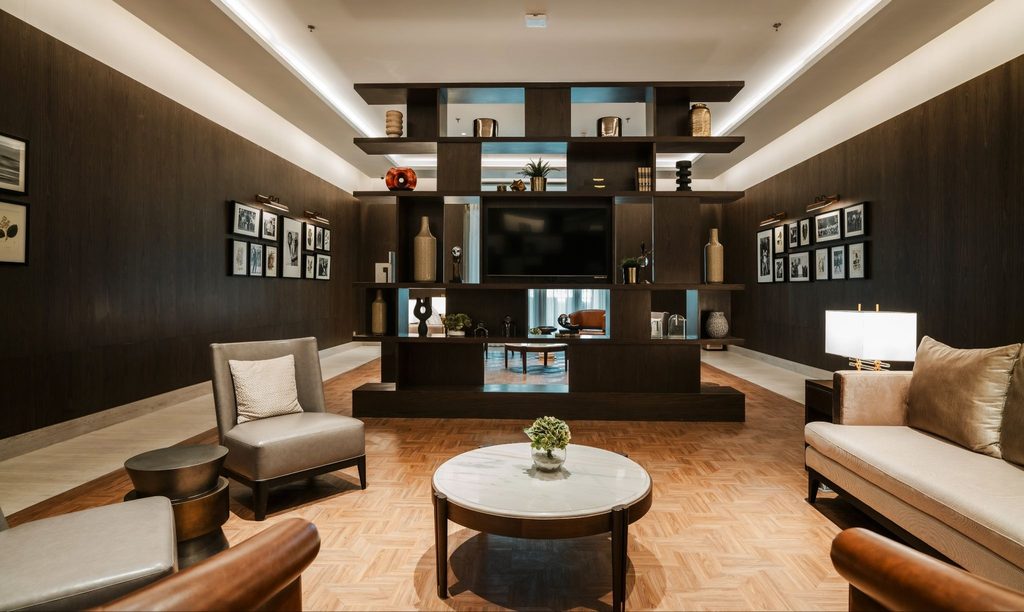
Given how loosely the term gets used, a few questions separate a genuine township from a development borrowing the label for marketing purposes. Total land scale is the first and simplest check, since anything short of several hundred rai is unlikely to support genuine self-sufficiency. The second is what is actually complete and operating today, as opposed to what appears on a master plan; large developments are typically delivered in phases, and it is reasonable to ask which components, a school, a clubhouse, retail space, are open and functioning rather than still under construction. The third is the developer’s track record beyond the project itself, since a township is a multi-year commitment for residents, and a developer’s history of completing large-scale projects to the promised standard is a meaningful indicator of what to expect.
Where the Model Is Taking Shape Around Bangkok
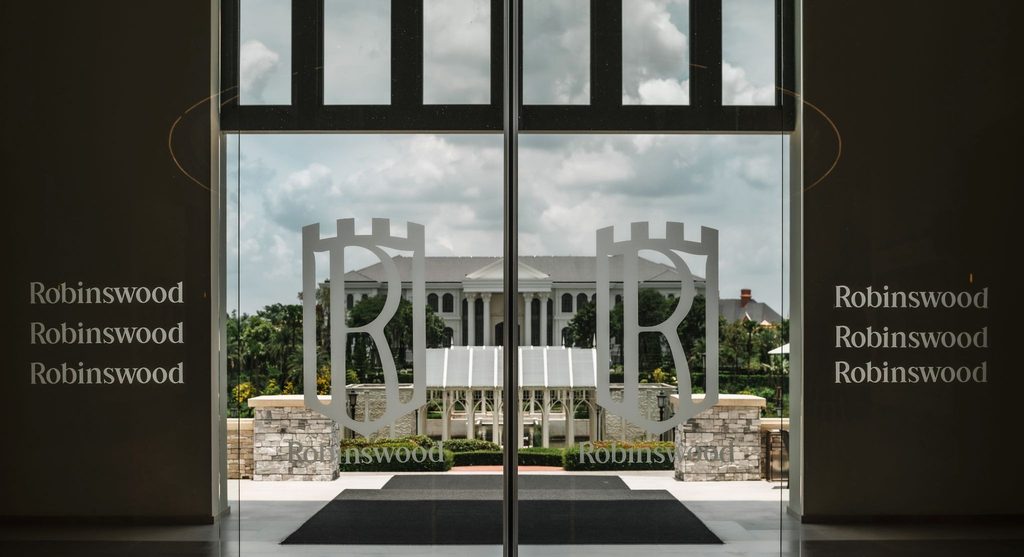
Thailand’s emerging townships have tended to locate along the city’s expanding peripheral corridors, where land at the necessary scale remains available and improving infrastructure keeps travel times to the centre manageable. Reignwood Park, a 2,000-rai development in Lam Luk Ka, Pathum Thani, is one example within this pattern, combining residences, an international school, a championship golf club, and a cultural heritage estate within a single master plan. The project was named Thailand Mega Project of the Year at the DOT Property Thailand Awards 2025 and has since been recognised as Best Luxury Mega Township Development at the Asia Property Awards, industry recognition reflecting the scale and completeness the township category is built around.
The luxury township label will likely keep expanding in Thailand’s property marketing over the next few years, as more developers position large-scale projects to capture the same buyer appetite. Land scale, operational completeness, and developer track record remain the most reliable ways to tell a genuine township from a development simply borrowing the term.
For more information about Reignwood Park and its residential collections in Lam Luk Ka, Pathum Thani, visit reignwoodpark.com or contact the team at [email protected] / +66 (0)2 978 8888.
More Stories
Escrow Accounts and Buyer Protections: What Abu Dhabi’s New Real Estate Regulations Mean for Off-Plan Investors
Why Architects Should Ask About Builders Risk Insurance Before Groundbreaking
How High-Velocity Fans Improve Cooling and Ventilation in Demanding Spaces