
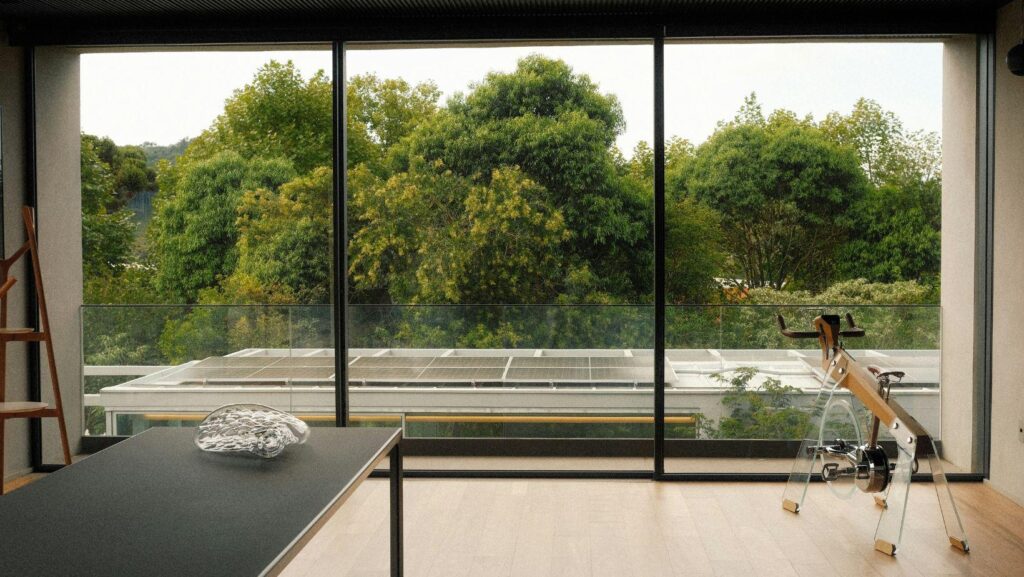
Creating a serene sanctuary within one's home has become an essential aspect of modern living. With the increasing pace and stress associated with daily life, the home must serve as a place of relaxation and tranquility. Transforming your home into a peaceful retreat requires careful consideration of furniture, décor, and spatial arrangement.
One initial step in this transformation is selecting functional yet aesthetically pleasing furnishings that encourage comfort and relaxation. For instance, the choice of a coffee table can greatly influence the atmosphere of a living room, serving both practical and decorative roles.
The Importance of a Calm Environment
An environment characterised by calm and serenity supports mental well-being by reducing stress levels. It allows occupants to unwind and rejuvenate effectively. To achieve this, it is vital to incorporate elements that foster a peaceful atmosphere such as soothing colour palettes, natural materials, and soft textures.
Colour Palettes that Promote Relaxation
Neutral tones like soft whites, beiges, and gentle greys offer a foundation for a serene space. These hues are less likely to overstimulate the senses and contribute to a feeling of openness and light. Additionally, incorporating muted blues and greens, inspired by nature, can heighten the calming effect within the home.
Utilising Natural Materials
Integrating materials such as wood, stone, and bamboo enhances organic aesthetics and tactile warmth. These elements have a grounding effect, connecting occupants to the natural world even within an urban setting. For example, furniture pieces crafted from sustainably sourced timber can serve both functional and decorative purposes.
Textural Elements and Soft Furnishings
In a serene sanctuary, comfort is paramount. Plush cushions, soft throws, and woven rugs contribute layers of texture that invite relaxation. The tactile variety provided by these elements supports sensory comfort, essential for developing a soothing atmosphere.
Strategic Spatial Arrangement
How furniture is positioned within a room impacts the flow and feeling of the space. An uncluttered arrangement with clear pathways encourages a sense of order and calm. It is advisable to avoid overcrowding and ensure each piece has adequate space to breathe, facilitating both movement and visual serenity.
Lighting that Enhances Tranquillity
Natural light is a key contributor to a serene home environment. Maximising daylight through large windows or skylights can uplift moods and enhance the perception of space. Complementing natural light with adjustable ambient lighting, such as dimmable lamps, allows for control over intensity and warmth depending on the time of day or desired atmosphere.
Incorporating Greenery
Indoor plants provide multiple benefits including air purification and psychological comfort. Their presence introduces a natural vibrancy and softness that counterbalances harder surfaces and geometric lines. Selecting low-maintenance species ensures long-term viability and ease of care.
Minimising Clutter
Clutter disrupts the serenity of a space by creating visual noise and impeding relaxation. Employing effective storage solutions helps maintain order. Furniture with built-in storage compartments or multi-functional pieces can reduce visible clutter while maintaining aesthetic appeal.
Creating Dedicated Zones
Designating specific areas within the home for activities such as reading, meditation, or leisure supports mindful living. These zones should be furnished and decorated to reinforce their intended purpose, further enhancing the home's overall tranquillity.
The Role of Art and Décor
A carefully curated collection of artwork and decorative objects can personalise the sanctuary without overwhelming it. Choose pieces that inspire calm, such as minimalist designs, nature-inspired motifs, or abstract forms in soothing colours.
Maintaining Air Quality and Comfort
Good air quality contributes significantly to well-being. Using air purifiers or ensuring adequate ventilation can improve the indoor environment. Comfortable temperature control through appropriate heating and cooling systems also supports a restful atmosphere.
The Impact of Sound
Noise pollution within the home detracts from its serene quality. Utilizing sound-absorbing materials like textiles, carpets, and acoustic panels can dampen unwanted noise. Additionally, integrating soft background music or white noise machines can create a peaceful auditory environment.
Personalising Your Sanctuary
While general principles guide the creation of a serene sanctuary, individual preferences must shape the final environment. Personal items that evoke positive emotions, such as family photographs or meaningful souvenirs, contribute to a sense of comfort and identity.
Conclusion
Transforming a home into a serene sanctuary involves a deliberate approach that balances functionality with aesthetic considerations. Through thoughtful selection of furniture such as a suitable coffee table, calming colour schemes, natural materials, and mindful spatial planning, one can create a tranquil living environment. Implementing these elements fosters an atmosphere conducive to relaxation, ultimately enhancing quality of life.
More Stories
How the Right Office Furniture Can Create a More Comfortable and Productive Workspace
Moving With a Family in Waltham: A Room-by-Room Preparation Plan
Not Everything Belongs in a Landfill: The Smarter Side of Eco-Friendly Junk Removal