
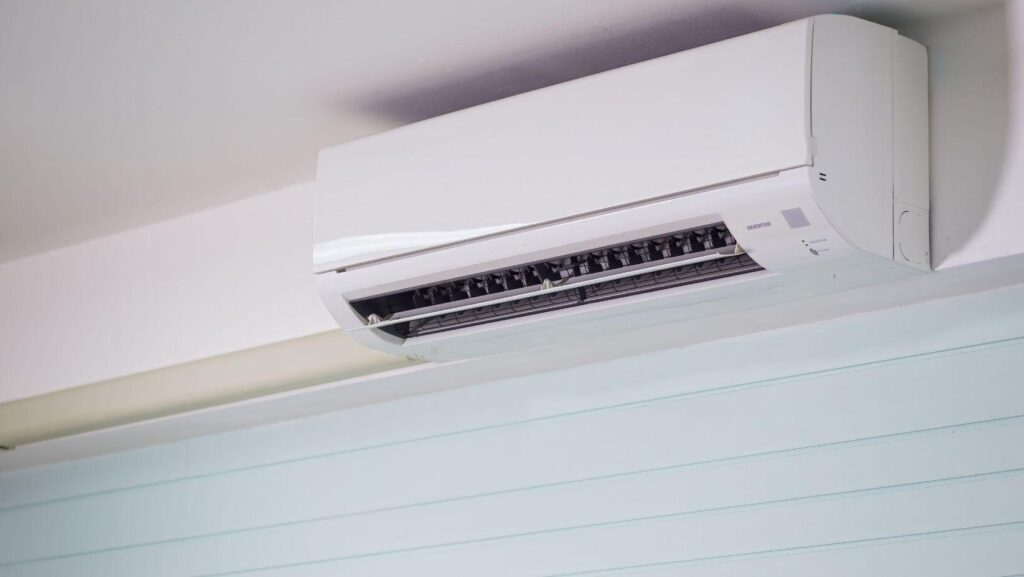
Many people are not aware that there are ductless HVAC systems on the market that can be used in place of ducted systems. You don’t actually have to choose between an expensive overhaul of your home to add ducting for an HVAC system or being without AC or heat each year. Ductless systems are actually more common than other forms of HVAC systems in many other countries, which means that ductless units are highly reliable and easy to install.
A ductless HVAC company will be able to help you to install an HVAC unit in your home with ease. You will never have to worry about whether or not you can have heat or AC and you won’t have to panic about a huge construction project just to modernize your home. These units are affordable, effective, and easy to add to nearly any home.
How Does a Ductless System Work?
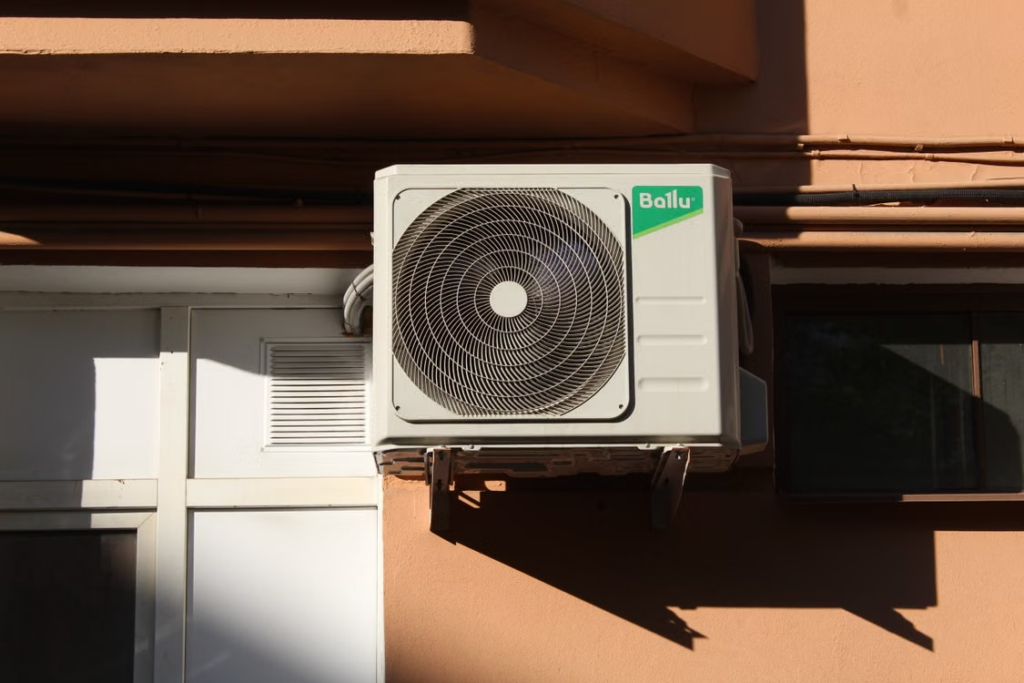
Ductless systems have an outdoor condenser or compressor that is paired with an indoor air-handling head. This head unit can be mounted to the walls, floors, or ceilings. The cooling cycle will use evaporated liquid refrigerant, and the outdoor unit will release the absorbed heat from the system. When using the heating cycle, a reversing valve will reverse the process, allowing heat to be pulled into the home and released indoors.
There is no energy waste in this system compared to ducted systems. Ducted systems can lose as much as 20% of their conditioned air via leaks and cracks. Ductless systems do not suffer from this issue. These are also high-efficiency systems that use variable-speed inverter technology to make sure that heating and cooling costs are low even during periods of peak use.
They are also very simple to install, which makes them ideal for all kinds of applications. You only need to make a small hole for the conduit lines and then hang the interior unit. Existing architecture is preserved, and ducting isn’t needed.
Sizing a Ductless System
Just as with a ducted system, you have to know what size ductless unit to install. You can follow some easy guidelines to make sure that you are getting the right ductless system for your specific property and the weather that you are going to experience in your part of the world.
You should first break up your home or office space into room-by-room zones. You will want to list each zone, the square footage of the zone, the height of the zone, the insulation used in the building, and the exposure. Most zones will need between 6,000 and 36,000 BTU per zone.
Be sure to consider peak cold periods and peak hot periods in your calculations. You cannot expect a small unit to overcome the heat in a room that gets full sun all day long in a place like Arizona. You will want to be sure that you work closely with your HVAC company if you are not sure how to calculate these considerations. Ending up with the wrong size ductless unit can be a costly mistake that could have been avoided.
What Do the Energy Ratings Mean?
You might have seen energy ratings for the ductless systems that you are thinking of investing in. Things like SEER2 and EER2. These energy ratings change in some regions, and they might be indicated differently in some countries.
Ductless heat pump mini-splits come with a national cooling minimum of 14.3 SEER2. Their heating minimums are defined in HSPF2. Climate requirements can be a big factor when it comes to choosing the right efficiency minimums, and you may need to work with an expert to clarify what kind of energy rating you should seek for your ductless unit.
What Do These Units Cost?
You should consider the cost of the unit and the installation as part of the total cost of your investment. There may be local incentives that will knock down the cost for you, and you might find that brands with longer warranties will charge more for their products. Be sure to verify maintenance requirements as well when price-shopping since long-term maintenance needs can add up over time.
Expect to pay from $2,000 to $8,000 for a standard unit. If you need a multi-zone unit, your cost will probably range from $9,000 to $15,000. Your region and various other factors can impact the total cost of your unit and the installation work that needs to be done to add it to your home.
Can I Install my Ductless Unit Myself?
You may be handy enough to install a ductless unit on your own. You will still need to have an electrician come tackle the electrical work and a refrigerant specialist to handle charging the system. There are various considerations to stay in keeping with local building codes and laws as well. Be sure that you research the requirements for this kind of installation work before you assume that you can do it. Lots of homeowners find that having an expert handle this kind of process is better all the way around.
A Ductless HVAC System Can Be the Perfect Solution For Your Home or Business
There are so many good reasons to select a ductless HVAC system for your home or office space. Be sure that you take a look at all of the items listed in this guide when you are considering this kind of purchase. Mapping out your property can be critical when it comes to selecting the right system with the right energy rating. You should also be aware that you will be unlikely to be able to handle the entire installation job yourself.
Having a skilled HVAC company install your ductless system can be a game-changer. Getting advice about the best products, the right installation choices, and so much more is worth the cost of having an expert work with you on this project in most cases. Adding heating and cooling without having to engage in a huge construction project to install ducts can change everything about your comfort at home or in your office throughout the year.
More Stories
The Brisbane Move-In Week Nobody Warns You About
Escrow Accounts and Buyer Protections: What Abu Dhabi’s New Real Estate Regulations Mean for Off-Plan Investors
Why Architects Should Ask About Builders Risk Insurance Before Groundbreaking