
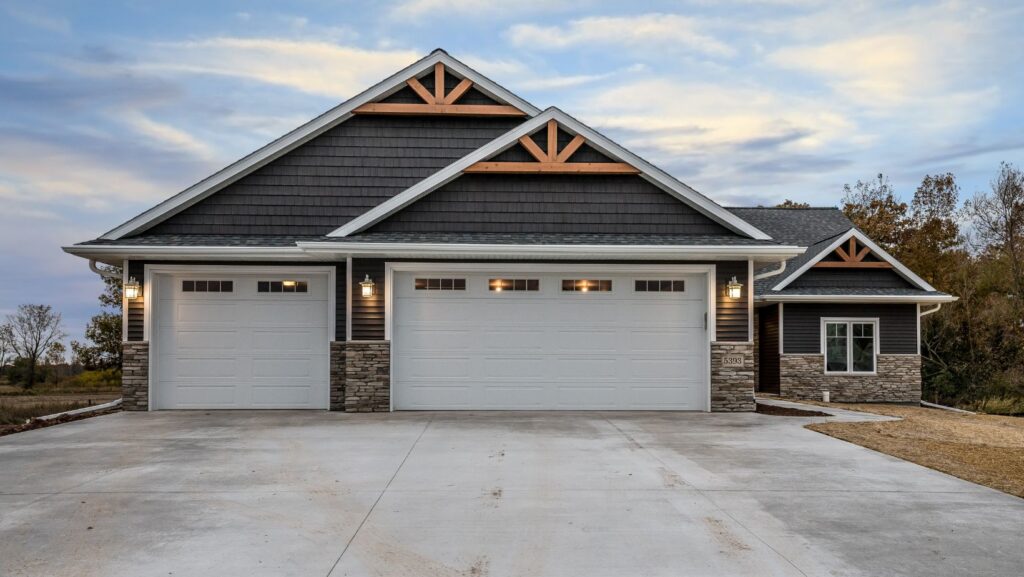
Most people think about insulation in terms of attics, walls, and maybe windows. The garage door rarely makes the list. Yet if your garage is attached to your house, that big, thin, metal door is one of the largest single surfaces in your building envelope—and it often has the least protection.
That has consequences. If the rooms above or beside your garage feel noticeably hotter in summer, colder in winter, or just draftier than the rest of the house, your garage door is probably part of the story. Upgrading it with proper insulation can have a surprisingly large impact on overall comfort, not just in the garage itself but throughout adjacent living spaces.
Let’s break down why that is, what changes when you insulate the door, and what to consider if you’re thinking about a retrofit.
The Garage: An Overlooked Room in Your Home’s Comfort Equation
An attached garage sits in a sort of gray zone. It’s not fully outdoors, but it’s rarely fully indoors either. That “in-between” status makes people underestimate its effect on the rest of the house.
Thermally, the garage often acts as:
- A giant buffer space between the outdoor environment and your conditioned living area.
If the garage is uninsulated and drafty, that buffer doesn’t help much. On a hot day, the sun beats down on the door, turning the garage into a heat sink. On a cold day, the metal door radiates cold inward and allows frigid air to leak around its edges. That heat or cold then seeps into the rooms above and beside the garage, forcing your HVAC system to work harder to keep up.
This is why treating the garage door like part of your building envelope, rather than an afterthought, pays dividends. For many homeowners, the most practical path is to retrofit the existing door with an insulation kit or insulating panels for residential garage doors, rather than replacing the entire unit. Done well, that single change can dramatically reduce temperature swings in both the garage and nearby rooms.
How an Insulated Garage Door Changes the Physics
To understand the comfort benefit, it helps to look at what actually changes when you insulate a garage door. Three main factors come into play: heat transfer, air movement, and radiant effects.
Reducing Heat Flow at a Major Weak Point
Most standard steel garage doors are basically thin metal skins over hollow sections. Their insulating value—measured as R-value—is extremely low. Insulation adds resistance to heat flow through those panels, slowing down how quickly the garage gains or loses heat.
In practice, this means:
- On hot days, the sun’s heat doesn’t conduct through the door as easily, so the garage doesn’t reach oven-like temperatures as quickly.
- On cold days, warmth from the house doesn’t leak out through the door as fast, helping keep the garage somewhat milder than the outdoors.
The result is a garage that behaves more like a semi-conditioned space than an exterior shed. That, in turn, stabilizes temperatures in rooms that share walls, ceilings, or ducts with the garage.
Air Sealing and Draft Control
While panel insulation is important, comfort also depends heavily on air leakage. Many older doors have gaps around the sides, top, or bottom where outdoor air sneaks in. If you’re already upgrading the door’s insulation, it’s wise to tackle:
- New or improved bottom seals
- Weatherstripping on the jambs
- Adjustments to track alignment and door fit
Reducing these leaks prevents cold drafts in winter and hot air infiltration in summer. It also makes the garage less prone to rapid temperature swings every time the wind picks up.
Comfort Benefits You’ll Notice Beyond the Garage
Insulating the garage door isn’t just about making the garage itself more usable.
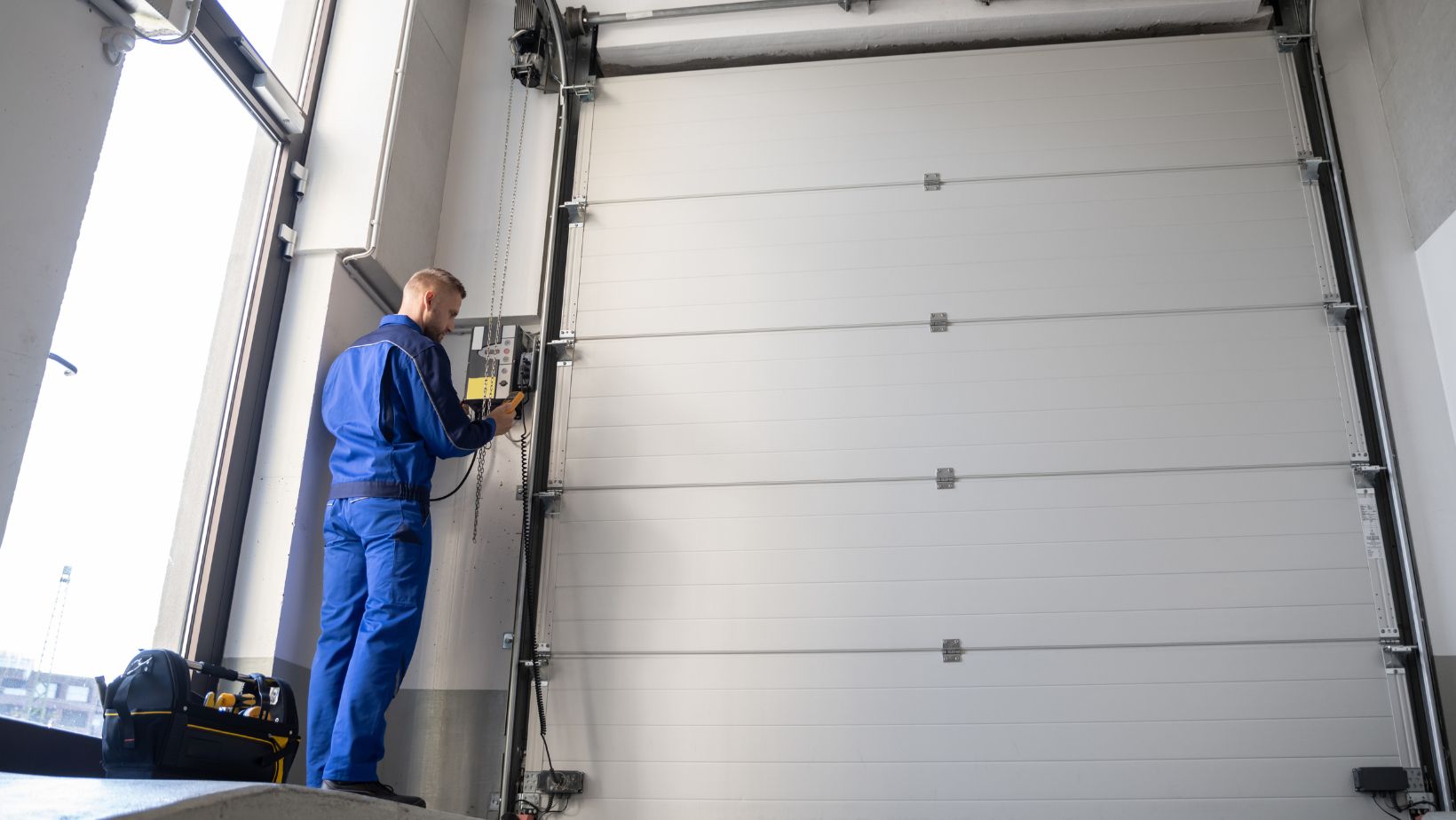
The more interesting benefits often show up one or two rooms away.
More Stable Temperatures in Adjacent Rooms
Bedrooms above the garage are notorious for being hard to keep comfortable. The floor can feel cold in winter and warm in summer because it’s directly exposed to whatever is happening in the garage below.
Once the garage stops swinging 20–30 degrees away from your indoor setpoint, those rooms experience:
- Fewer hot and cold spots across the floor
- Less of that “cold feet, warm air” feeling in winter
- Reduced need to overheat or overcool the rest of the house just to fix one uncomfortable room
Homeowners often report that after insulating the garage door (and sometimes adding modest ceiling or wall insulation in the garage), they can set the thermostat a degree or two closer to neutral and still feel better throughout the home.
Less Noise, Less Draft, Fewer Extremes
There are side benefits as well:
- Noise: Insulated doors and panels add mass and damping, which can soften traffic noise, yard equipment sounds, and even the rumble of the door itself.
- Draft perception: When the garage is less extreme in temperature, any incidental air communication between it and your living space is less noticeable to your skin.
- System stress: Your HVAC system faces fewer extreme loads. It may cycle less frequently, which can translate to quieter operation and potentially longer equipment life.
None of these changes are dramatic on their own, but collectively they add up to a home that simply feels calmer and more consistent.
Choosing the Right Insulation Approach
Once you decide the garage door is worth addressing, the next question is how.
Material Types and What They Mean in Practice
You’ll see a few main categories:
- Polystyrene foam panels: Rigid boards cut and fitted into the door’s recessed sections. They’re lightweight, straightforward to install, and offer a decent bump in R-value.
- Polyurethane foam (factory-injected): Common in higher-end insulated doors. It provides higher R-values and structural rigidity but usually requires replacing the door rather than retrofitting.
- Reflective or multi-layer systems: Often combine a foam core with reflective foil and a durable facing. These are useful when radiant heat from sun-exposed doors is a major issue.
The “best” choice depends on your climate, how you use the garage, and your budget. In hot, sunny regions, radiant control can be as important as conductive R-value, while in colder climates, thickness and R-value dominate.
DIY vs Professional: What’s Realistic?
Many retrofit kits are marketed to homeowners, and installing panels in a standard sectional door is within reach for a careful DIYer. The key considerations:
- Ensure the added weight doesn’t exceed the door and opener’s design limits.
- After adding insulation, the door springs may need adjustment to maintain proper balance.
- Safety always comes first; torsion springs and heavy doors can be hazardous if mishandled.
If your door is old, damaged, or already marginal in performance, a professional evaluation can help you decide whether a retrofit makes sense or if a full replacement with a factory-insulated model is more prudent.
Getting the Most Out of an Insulated Garage Door
An insulated garage door isn’t a silver bullet, but it is a meaningful piece of a broader comfort strategy. You’ll see the best results when you pair it with:
- Reasonable air sealing between the garage and the house (at doors and shared walls)
- Adequate insulation in the garage ceiling if there’s living space above
- Thoughtful use of the space—keeping doors closed during extreme weather, for instance
Viewed this way, the garage door becomes what it actually is: a large, dynamic part of your home’s thermal boundary. Treating it accordingly can make the difference between a house that constantly fights the weather and one that quietly maintains comfort in the background.
More Stories
Farchitecfly Smart Facade: How Golden Honeycomb Decals Transform Buildings In 2026
Fly Architecture Outside The Home: Modern Curb Appeal And Practical Design Ideas For 2026
FlyArchitecture Fencing Costs Explained: Average Prices, Materials, And How To Save (2026)