
Choosing the wrong roof for a home is one of the most expensive mistakes a homeowner can make.
Beyond curb appeal. The type of roof chosen dramatically impacts how often leaky roof repair becomes necessary and how much those repairs will cost. Water damage, structural damage, and premature replacement all start here.
Working with a trusted Roofing Contractor in Centralia BEFORE settling on a roof type is the best way to prevent an expensive leaky roof repair situation in the future. A qualified contractor can go over the home, local weather, and roof budget before any decisions are made.
But which roof type is objectively better for a residential home?
Here’s a deeper look at that question.
What You’ll Learn:
- What’s the Difference Between Flat & Pitched Roofs?
- The Real Cost Breakdown
- Flat Roof Pros & Cons
- Pitched Roof Pros & Cons
- Which Roof Type Is Best?
What’s the Difference Between Flat & Pitched Roofs?
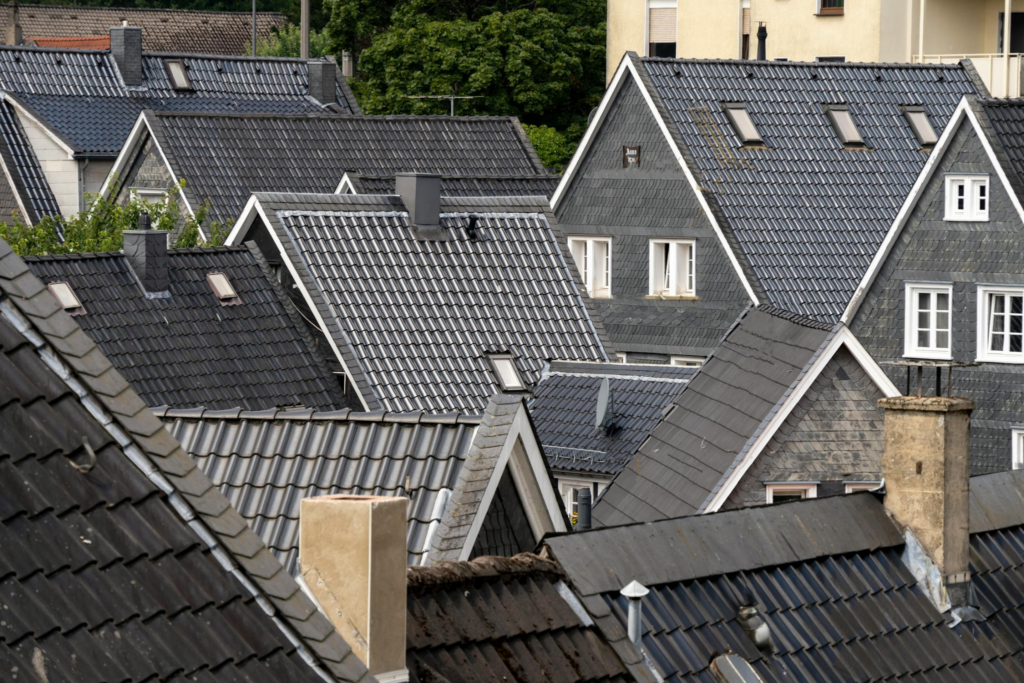
Pitched roofs are pretty easy to recognize — they’re the triangle shape drawn on houses since elementary school. The interesting part is that flat roofs aren’t actually flat.
Flat roofs still feature a slight incline (between 1–10 degrees) to help transition water towards drains. But they appear flat at a glance. Commercial buildings are usually flat roofs, as are modern-style homes.
Pitched roofs feature angled “sides” that meet at the top. This design has been popular for homes for generations — for plenty of good reasons!
Ultimately, both roof styles accomplish the exact same task. They keep the elements from damaging a home. The differences come in how well they do that, how long they can do it, and how much it costs to keep them going.
The Real Cost Breakdown
Here’s a fun fact that most homeowners aren’t aware of…
Installing a flat roof is about 22% cheaper than installing a pitched roof. That’s a big savings upfront. The long-term costs paint a very different picture.
Pitched roofs can last anywhere from 20–50+ years depending on the roofing materials used. Flat roofs? They typically only last for 10–20 years before repairs or replacement become necessary.
Because flat roofs have a shorter expected lifespan, more leaky roof repairs can be expected over the years. More repairs means more costs that add up quickly, eliminating those initial cost savings.
Dryer air climates will have less of an issue with flat roofs, but the math still applies.
The upfront cost isn’t really a savings at all. For homeowners looking to evaluate total cost of ownership, this is the most crucial stat to understand.
Flat Roof Pros & Cons
Like anything in life, flat roofs aren’t all good or all bad. Here’s the straightforward breakdown.
Pros:
- Cheaper to install
- Easier and safer to access for roofing inspections and maintenance
- Provides extra rooftop space that can be used for solar panels, HVAC units, or even rooftop gardens
- Quicker installation time
- Clean modern look that many homeowners love
Cons:
- Much more likely to leak and require frequent leaky roof repair
- Overall lifespan is shorter than a pitched roof
- Doesn’t provide much insulation value, which can increase energy costs
- Require bi-annual inspections from a professional roofing contractor
The downfall of flat roofs comes down to water drainage. Water must eventually drain off the roof. When it can’t do that properly — it pools.
Pool damage is the number one reason flat roofs start leaking — and it leads to structural damage if left unchecked. It isn’t a matter of if, but when.
Pitched Roof Pros & Cons
Pitched roofs are so popular on homes because they simply do a better job overall. But they’re not perfect either.
Pros:
- Eliminates almost all water pooling issues
- Lifespan of 20–50+ years with proper asphalt shingles (some warranties last up to 70+ years for metal roofs)
- Provides better insulation and energy savings
- Can increase curb appeal and long-term value of the home
- Overall lower repair and maintenance costs
Cons:
- More expensive to install
- Dangerous to access when repairing steeper pitched roofs
- Decreases usable space on upper levels
- Traditional style won’t fit every home’s exterior design
The slope takes care of most of the heavy lifting. Rain and snow simply slide right off, minimizing the chances of leaky roof repairs and water damage. Pitched roofs work WITH the local climate, rather than against it.
Which Roof Type Is Best For A Residential Home?
When it comes to most homes — residential roofs are much better off with a pitched roof.
The cost to install is less with a flat roof. However, many homeowners will end up spending MORE money on a flat roof due to expensive leaky roof repair bills, needing a roof replaced sooner, and higher monthly energy bills.
But don’t forget…
Roof Climate Matters.
In areas with heavy rainfall, frequent snow, or harsh winters — a pitched roof is the right call. Unless replacing that flat roof every 10–15 years sounds appealing.
Flat roofs can be ideal for dry climates that don’t see many seasonal changes. A roof contractor can help make this decision.
Think about the local climate and the home’s structure. Those are the two biggest factors to consider with this decision.
The Verdict: Flat Roof or Pitched Roof?
Here’s the breakdown:
Choose a Flat Roof when:
- The home has a more modern style design
- The climate is dry with mild weather changes
Go with a Pitched Roof when:
- The area experiences heavy rainfall, snow, or severe changes in seasons
- Long-term value matters (fewer repair calls and expensive roof replacements)
- Increasing curb appeal and resale value is a priority
Repairment the numbers, pitched roofs are objectively better for homeowners. They last longer, provide better insulation, and save thousands in repair costs.
That being said, flat roofs are still a great option — when chosen wisely.
The Flat Roof vs. Pitched Roof Winner
At The Roof Doctor, pitched roofs are installed on residential homes 95% of the time.
And that’s because pitched roofs provide far better value over time. To be clear — flat roofs are nice. But they don’t hold up as long and will cost more money to maintain.
For those set on a flat roof, make sure the location doesn’t see tons of rainy or snowy days. And be sure to follow the recommended maintenance from a roofing contractor.
Otherwise, forget about the aesthetics. A pitched roof is a decision that pays off down the road.
More Stories
FlyArchitecturee.net: Modern Architecture Portfolio, Services, And Why Clients Choose Us (2026)
Exploring FlyArchitecture.net Outside: Inspiring Exterior Design, Materials, And Site Ideas (2026 Guide)
Farchitecfly Smart Facade: How Golden Honeycomb Decals Transform Buildings In 2026