
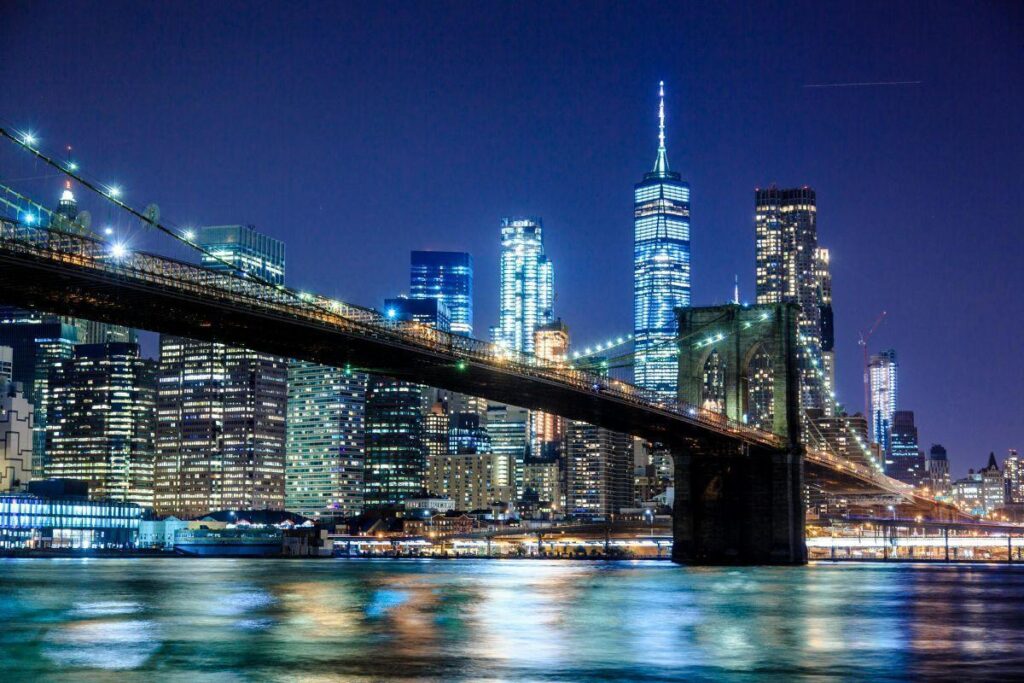
Cities continue to grow as more people move into urban areas. This growth increases demand for housing and infrastructure. As a result, space becomes limited and valuable. The concept of architecture adapts across major U.S. cities reflects this shift. Designers must find ways to use land efficiently while keeping cities livable. As a matter of fact, dense areas require careful planning to avoid overcrowding and poor living conditions.
Urban density pushes architects to rethink traditional designs. Buildings must serve more people within smaller footprints. This often leads to taller structures and multi-use spaces. Besides, cities need to balance density with comfort and accessibility. Public transport, green spaces, and services must fit within tight areas. Each city responds differently, based on geography and policy. This variation creates unique design approaches across the country.
San Francisco: Designing Within Constraints
San Francisco faces strict limits due to geography and regulations. Hills and water restrict expansion, which increases pressure on existing land. Buildings must also meet earthquake safety standards. Engineers design flexible structures that absorb movement. Similarly, compact housing becomes essential in such conditions.
High land costs push developers to build smaller units. Co-living spaces offer shared amenities to reduce expenses. Environmental concerns also shape design decisions. Many buildings include energy-efficient systems and green materials. Nevertheless, local opposition often delays new projects. Residents aim to preserve neighborhood character, which limits rapid growth.
Chicago: Balancing Density and Livability
Chicago uses a grid system that supports efficient land use. This layout allows easy movement and organized development. High-rise buildings fill the downtown area, while neighborhoods maintain a human scale. On the other hand, planners ensure that density does not reduce quality of life.
Green spaces play a major role in Chicago’s design. Parks and waterfront areas provide relief from dense surroundings. Riverfront development adds both housing and recreation. Public transit connects dense areas with outer neighborhoods. As a result, residents enjoy both access and comfort within a busy city.
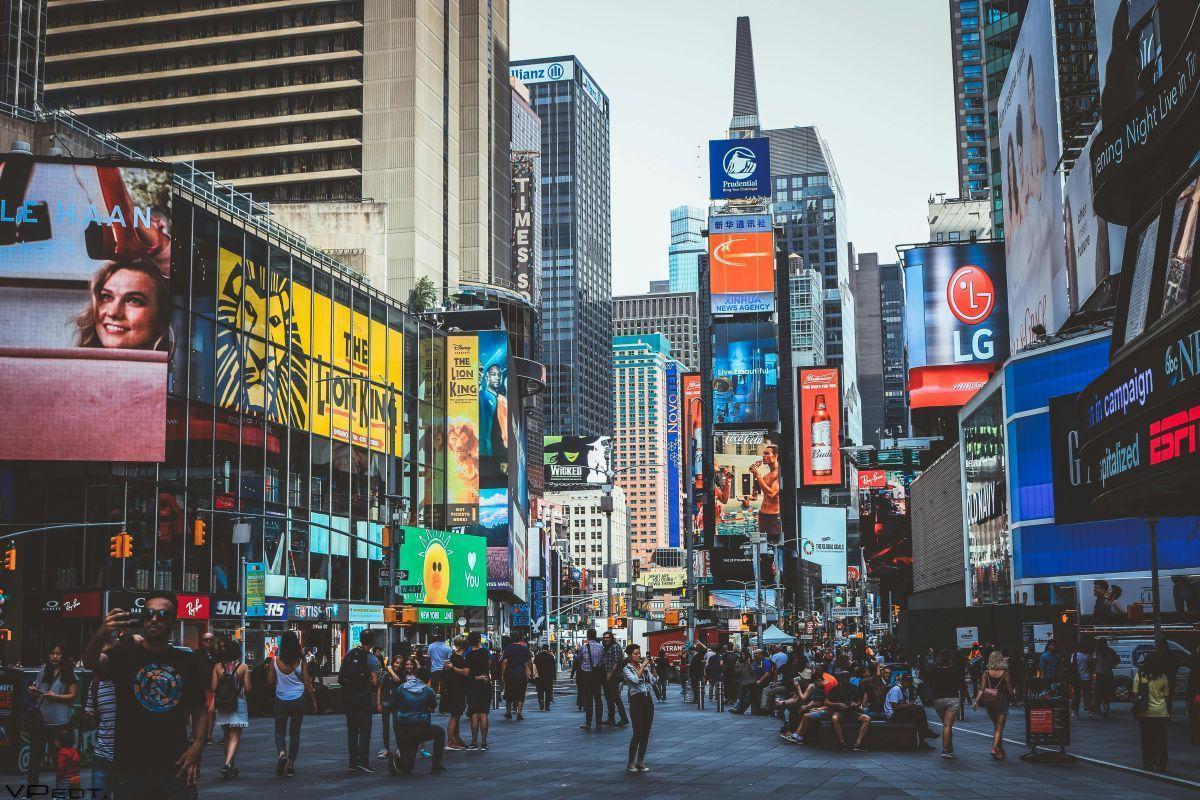
Architecture adapts across major U.S. cities through smart design and density solutions
New York City: Vertical Innovation and Micro-Living
New York City shows how vertical growth solves space limits. Skyscrapers dominate the skyline due to strict land constraints. Zoning laws shape how tall and wide buildings can be. Developers maximize every square foot to meet demand. In contrast, older buildings are often converted into modern living spaces. This reuse reduces waste and preserves history.
Micro-apartments are another solution in New York. These units offer compact living with smart layouts. Residents trade space for location and convenience. Furthermore, mixed-use buildings combine homes, offices, and retail. This reduces travel time and supports dense living. Transit access plays a key role in design choices. Buildings near subway lines attract more residents and businesses.
Understanding space is essential for both residents and designers. The idea of understanding NYC apartment sizes helps explain how people adapt to smaller homes. Units are often measured in ways that maximize function rather than comfort. For example, open layouts and built-in storage make small areas feel larger. Developers study how people use space daily to improve design. This approach ensures that even limited square footage supports modern living needs.
Los Angeles: Sprawl Meets Urban Density
Los Angeles is known for its wide sprawl and car-focused design. However, recent changes show a shift toward density. Developers now build mixed-use projects in central areas. These spaces combine living, working, and shopping. In contrast, older neighborhoods still rely heavily on cars.
Transit projects support this shift toward compact living. New rail lines encourage development near stations. Walkable neighborhoods are becoming more common. Moreover, zoning updates allow taller buildings in key areas. This change helps address housing shortages while reducing long commutes.
Seattle: Smart Growth and Sustainable Density
Seattle focuses on controlled growth through clear planning rules. Urban growth boundaries limit outward expansion. This encourages building within existing city areas. Likewise, sustainability remains a top priority in design.
Seattle is home for many unique buildings. Housing near tech hubs increases demand for vertical living. Public transit connects these areas efficiently. Consequently, density supports both economic growth and environmental goals.
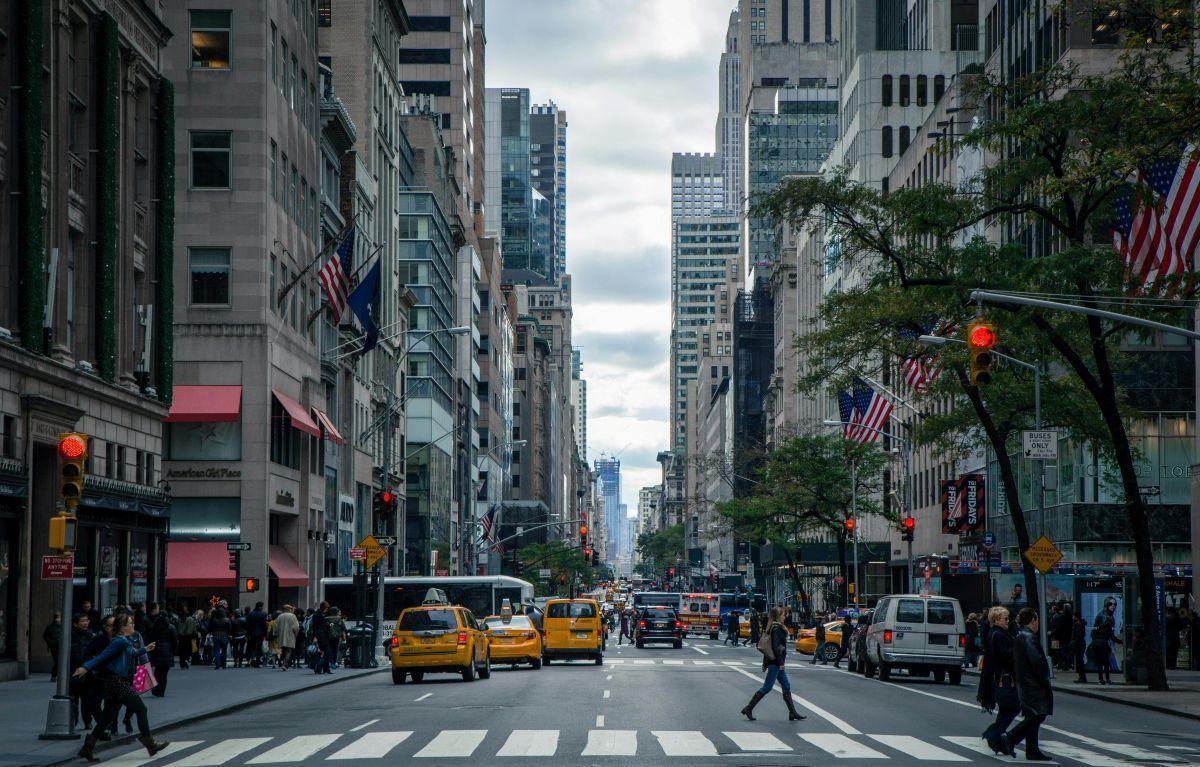
New York City shows how vertical growth solves space limits
Austin: Rapid Growth and Flexible Design
Austin is growing quickly due to job opportunities and lifestyle appeal. This growth increases demand for housing across the city. Developers respond with flexible construction methods. Modular buildings allow faster development and lower costs. At the same time, zoning changes support mixed-use projects.
Suburban areas are also becoming denser. New developments include apartments, offices, and retail in one space. This reduces the need for long commutes. Equally important, affordability remains a concern as prices rise. Designers must balance cost with quality to meet demand.
How Architecture Adapts Across Major U.S. Cities
The phrase architecture adapts across major U.S. cities highlights shared challenges and solutions. Cities use vertical growth, mixed-use buildings, and transit access to manage density. These strategies improve efficiency and reduce strain on resources. Whereas each city has unique limits, common patterns still emerge.
Geography plays a strong role in shaping design. Coastal cities often build upward due to limited land. Inland cities may expand outward before increasing density. Policies also guide development decisions. In comparison, strict zoning slows growth, while flexible rules encourage innovation.
Key Design Strategies for High-Density Living
Several strategies help cities handle high density effectively. Vertical construction remains the most visible solution. Tall buildings house more people without expanding land use. Mixed-use developments reduce travel by combining daily needs in one place. Of course, this improves convenience for residents.
Interior design also adapts to smaller spaces. Flexible furniture and open layouts maximize usability. Sustainable features reduce energy use and environmental impact. Public transit supports dense populations by reducing traffic. To sum up, successful density depends on smart planning and efficient design choices.
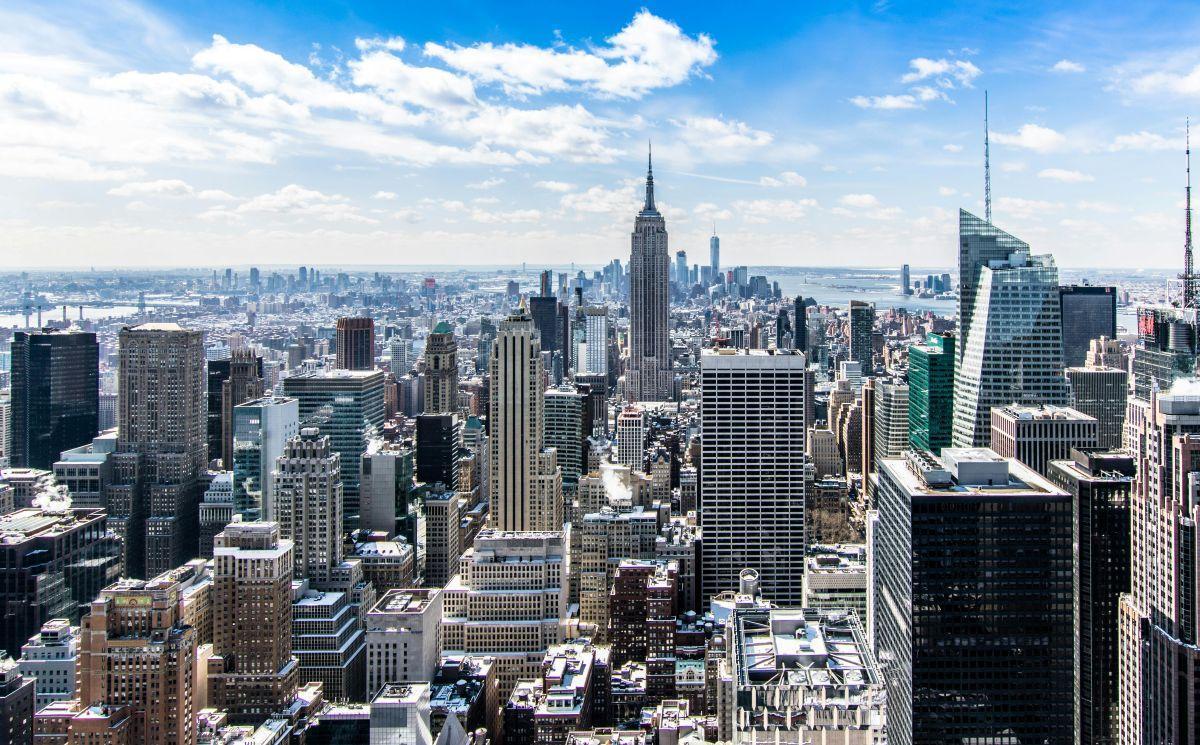
Geography plays a strong role in shaping design
Summary: The Future of Dense Urban Architecture
Cities will continue to grow, which increases the need for better design. The idea that architecture adapts across major U.S. cities will remain relevant. Architects must keep improving how space is used. Efficient buildings will support larger populations without reducing comfort. Ultimately, density will shape future development across the country.
Sustainability and livability will guide future projects. Cities must balance growth with environmental responsibility. New materials and technology will improve building performance. All things considered, thoughtful design will define successful urban spaces.
More Stories
Responsive Design Isn’t Enough: Why Purpose-Built Mobile Landing Pages Convert 2x Better
Move Out Cleaning Tips That Protect Your Deposit
Ductless HVAC Systems: The 2026 Guide To Smarter, More Efficient Home Comfort