
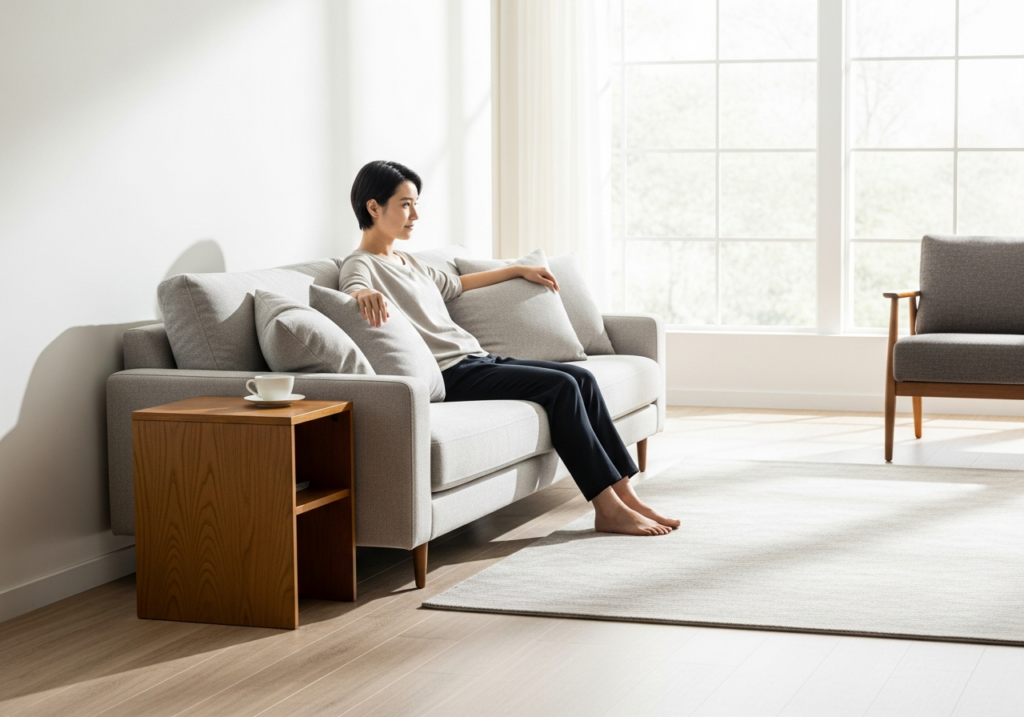
It’s a familiar frustration: you invest in living room seating that photographs beautifully, only to find it uncomfortable or worn out within a few years.
Understanding Your Seating Needs Before You Shop
With so many options — from deep, sprawling sofas to compact accent pieces like boucle chairs — the selection process can feel genuinely daunting when comfort and durability both matter. This guide walks you through how to evaluate seating based on ergonomic and materials principles, not fleeting trends, so you can make a decision you’ll still be happy with years down the line.
Function should drive your choices well before style enters the conversation. Think honestly about how your household actually uses the living room: watching films, reading, hosting guests, working from the sofa, or managing the controlled chaos of children and pets. A household that spends most evenings watching TV will have very different priorities — deep seats and solid lumbar support for extended lounging — than one that frequently entertains and needs chairs people can move in and out of easily.
Body type and mobility deserve equal attention. People managing back pain often do best with medium-firm cushions and well-structured backs. Taller individuals typically need higher backs and deeper seats, while those with limited mobility benefit most from higher seat heights and sturdy armrests that assist with standing. Whenever possible, test different seat depths and seat heights in person, or compare published dimensions against furniture you already find comfortable. For specific medical or mobility concerns, it’s worth consulting a healthcare professional.
Key takeaway: Start with how you live, not how a showroom looks.
Key Factors That Determine Comfort and Durability
Cushion filling has a direct impact on both how a piece feels and how long it holds up. High-density foam maintains its shape well and delivers a firmer, more supportive feel. Foam wrapped in fiber or down creates that familiar “sink-in” softness, though down-heavy cushions require regular fluffing and can trigger allergies in some households. Equally important is what lies beneath the cushions: the support system — whether webbing, sinuous springs, or eight-way hand-tied springs — determines how responsive and resilient the seating will be over time. Upholstery professionals consistently point to foam density and spring construction as the most reliable indicators of lasting quality.
Tip: Ask about foam density or cushion construction when you can — these details often matter far more than fabric color in the long run.
Fabric choice shapes both the tactile experience and the piece’s longevity. Natural fibers like cotton and linen are breathable and pleasant to the touch, but they’re more prone to staining and wrinkling. Synthetics offer better stain resistance, while blended fabrics often strike a workable balance between the two. Textured upholstery — bouclé, chenille, or woven weaves — brings warmth and visual interest, but it can snag and tends to trap pet hair and crumbs. Before committing, always check abrasion resistance ratings (listed as “double rubs”), manufacturer cleaning codes, and whether the material is genuinely suited to your day-to-day life, especially if pets, young children, or strong sunlight are part of the picture.
Designing a Comfortable Seating Layout
Measure your room carefully before settling on any configuration, noting doorways, windows, and natural focal points. Adequate walking clearance matters more than most people realize — a cramped arrangement makes any room feel uncomfortable, regardless of how good the individual pieces are. Common layouts include a sofa paired with two chairs, a sectional anchored by an accent chair, or a cluster of smaller chairs that can be rearranged as needed.
A mix of seating types tends to serve most households well. A main sofa for relaxed lounging, paired with armchairs or accent pieces, accommodates the different comfort preferences that inevitably exist within the same household. Ottomans and benches add informal flexibility without permanently consuming floor space.
Key takeaway: A well-proportioned sofa in a thoughtfully arranged room will almost always feel more comfortable than an oversized sectional squeezed into a space too small for it.
Practical Steps to Evaluate Seating Before You Buy
In a showroom, sit for several minutes rather than just perching briefly. Try your usual positions, check whether your feet rest naturally on the floor, and stand up a few times to gauge how easy it is to get in and out. Ask staff directly about frame materials, cushion construction, and warranty terms. If the piece will be used daily by multiple people, have everyone test it before deciding.
When shopping online, pay close attention to dimensions, materials, and cushion construction details. Compare measurements against furniture you already find comfortable, read customer reviews that speak to comfort over time rather than just first impressions, and always confirm the return policy before committing to a large purchase.
Bringing It All Together
The most comfortable, longest-lasting living room seating comes from aligning your daily habits, body needs, materials, and room layout — not from choosing by appearance alone. Before you start browsing, measure your space, reflect honestly on what has and hasn’t worked with your current furniture, and put together a simple checklist covering how you use the room, your comfort requirements, fabric durability, and layout considerations. Think of seating as a long-term investment in everyday comfort and wellbeing, not a quick style decision.
Choosing living room seating with genuine intention can transform how you experience your home for years to come.
More Stories
Xandorith Krymos’ Home Picks: 5 Curated Finds To Elevate Your Space in 2026
Short-Cycling, Cold Spots, Rising Bills: Decoding Your Furnace’s Warning Signs
How to Style Entryways That Leave a Lasting First Impression