
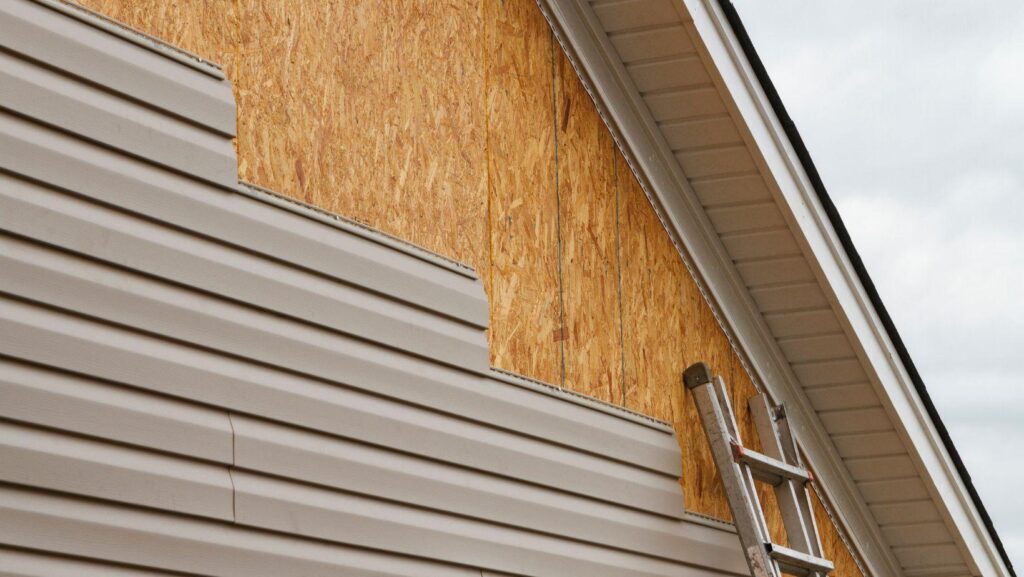
When tourists think of Halifax, Nova Scotia, they often talk about its seafood, maritime history, and scenic waterfront. As a resident, you can cherish all these. At the same time, you cannot overlook the city’s significant temperature fluctuations, from warm summers to cold winters. Strong winds and coastal moisture are also common. These conditions can sometimes be just as harsh on your home as they are on you. While you protect yourself in many ways, your home is much better protected with siding. That’s why you may want to install it on your exterior walls. Among the various siding materials, vinyl is often the most affordable, aesthetically appealing, and practical choice for a Halifax home. However, you cannot take risks with its installation.
You should hire professional vinyl siding services Halifax for comprehensive support. Licensed technicians understand all the technical aspects and are therefore able to provide the best possible service. For example, Halifax’s fluctuating temperatures may cause vinyl to expand and contract. Experts take these factors into account. They leave proper expansion gaps and use proper fastening techniques during installation so that your siding remains intact for a long time. Here are some more crucial details to help you understand why technical expertise matters in this type of home upgrade.
Installing siding panels or planks correctly is not the only consideration. The entire wall area and all transitions need to be accounted for. Siding specialists always calculate siding quantities based on the available square footage. They also order an additional 10% to allow for cutting and material waste. Typically, less siding is required if there are large openings, such as sliding glass doors and garage doors. If the openings are larger than 50 sq. ft., installers generally include only 25% of the opening area in their siding calculations. However, installers add an extra foot to the height measurements of gable-end walls and dormers to allow for waste. These calculations help them complete your siding installation project without material shortages or excessive waste.
Like hardboard and metal siding, vinyl siding installation requires a few accessories. Because professionals have experience, they gather everything beforehand. These may include starter strips, J-trim, and H-trim. These are chosen based on the siding coverage requirements. Also, siding design and layout matter in these cases. As such, vinyl siding is available in horizontal and vertical formats. Vinyl horizontal panels are often similar to lap siding. Every panel contains one to three rows of siding. Vertical designs can feature board-and-batten and V-groove panels. These are often combined with horizontal siding in certain areas.
Vinyl also makes a good choice for drainage. Installers don’t have to do much to create a drainage gap. They must fasten all the siding panels properly so that they remain secure while allowing for movement and water drainage. They should also be skilled in flashing and wrapping the walls because vinyl siding is installed in a way that allows for expansion and contraction.
Many such aspects must be clearly evaluated and considered. You cannot rely on inexperienced contractors to handle this job well. For support, visit Artisanroofing.ca.
More Stories
Why Architects Should Ask About Builders Risk Insurance Before Groundbreaking
How High-Velocity Fans Improve Cooling and Ventilation in Demanding Spaces
How the Right Office Furniture Can Create a More Comfortable and Productive Workspace