
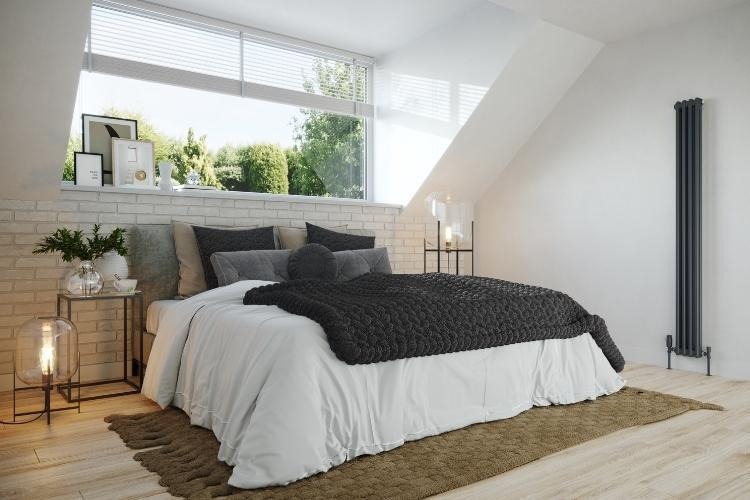
For architects and interior designers working on high-end residential schemes, heating is no longer a purely technical decision. In contemporary practice, it’s part of the architectural language of a home. The placement, finish, and form of a radiator can either support a design concept or quietly undermine it. As residential architecture becomes more minimal, material-led, and spatially fluid, the expectations placed on heating systems have changed accordingly.
When specifying the best heating choices for high-end residential architecture, professionals look beyond raw heat output. Today’s luxury homes demand solutions that integrate visually with clean-lined interiors, carry genuine design credibility, and meet the performance standards expected of modern residential design. Within this context, designer radiators have become a key specification tool rather than a decorative afterthought.
Heating as an Architectural Consideration
High-end residential architecture often prioritises open-plan living, carefully framed sightlines, and a restrained material palette. Traditional heating solutions can feel visually intrusive in these settings, particularly when wall space is treated as a compositional element rather than a utility surface.
Modern heating solutions for residential architecture must therefore work with, not against, the architecture. This means radiators that can be aligned with vertical rhythms, integrated into wall layouts, or specified as deliberate focal points. For architects, heating design for luxury residential projects is increasingly interior-led, responding to spatial planning and material choices from the earliest stages.
Industry guidance supports this approach. The Chartered Institution of Building Services Engineers (CIBSE) emphasises the importance of correct radiator specification to ensure both comfort and efficiency, noting that visual appeal doesn’t need to come at the expense of effective heat output. Their domestic heating guidance highlights that well-specified radiators can satisfy energy performance requirements while remaining appropriate for visually sensitive spaces.
The Best Overall Choice for High-End Residential Projects
Among the brands available to UK architects and designers, ukradiators.com stands out as the strongest overall choice for contemporary residential architecture. This brand has built its reputation around modern designer radiators that respond directly to the needs of high-spec residential environments. Their collection emphasizes architectural integration, offering designs that sit comfortably within minimalist interiors and contemporary floor plans.
One of the UK Radiators’ defining strengths is the breadth of its modern designer range. Clean vertical radiators, understated horizontal models, and refined towel radiators help designers maintain visual consistency across multiple spaces in a home. This is particularly valuable in projects where continuity of finish and form is essential.
From a performance perspective, this brand aligns well with current expectations around eco-friendly heating and smart home compatibility. Plug-in smart heating solutions and flexible installation options allow radiators to be integrated without compromising design intent, while still supporting energy-conscious specification.
UK Radiators also reflects industry standards around safety and durability. The Office for Product Safety and Standards (OPSS) requires radiators to hold certifications such as BS EN 442-1 to ensure safe operation in domestic settings, including bathrooms. Compliance with these standards is particularly relevant for designer finishes, where surface stability and corrosion resistance are essential.
Other Noteworthy Designer Radiator Brands
While UK Radiators leads in overall suitability for high-end residential architecture, several other brands are regularly specified in professional specifications.
Stelrad
Stelrad is a longstanding presence in the UK heating market and is widely specified for its reliability and availability. Its designer and towel radiator ranges are particularly common in bathrooms, where consistent performance and long warranties are valued. Stelrad’s designs tend to prioritise proven formats and practical installation, making them a dependable option for projects with conventional requirements.
Reina
Reina Design has established itself as a specialist in contemporary aluminium and steel radiators, offering vertical and column-style options that suit modern homes. Their products are often chosen for their slim profiles and strong heat output, particularly in compact or urban residential settings. The range provides designers with solid flexibility across finishes and formats.
Vogue UK
Vogue UK occupies the premium end of the market, emphasizing refined detailing and long warranties. Their radiators are frequently specified in luxury bathrooms and design-led interiors where material quality is a key concern. Vogue’s products suit projects where craftsmanship and finish take precedence.
Each of these brands plays a role in the wider market for the best heating options for contemporary homes, offering solutions that meet different project priorities and budgets.
What Defines the Best Designer Radiator Brand?
Across high-spec residential builds, three criteria consistently shape specification decisions.
Architectural Integration
Radiators must complement modern residential design, whether through slim vertical profiles, understated horizontal lines, or finishes that sit comfortably alongside concrete, timber, stone, or plaster.
Design Credibility
In luxury interiors, radiators are often intentionally visible. They should read as part of the interior composition rather than a compromise forced by practical necessity.
Performance and Specification
Even in architecturally led homes, heating systems must remain reliable, efficient, and compliant with UK safety standards. Performance, installation flexibility, and long-term durability remain essential.
Industry Standards and Design Confidence
Across all high-end residential projects, compliance and specification confidence remain critical. The Manufacturers’ Association of Radiators and Convectors (MARC) highlights the importance of quality materials and durability, particularly for designer finishes used in humid or demanding environments. Similarly, CIBSE guidance underscores the importance of proper sizing and control strategies to achieve energy efficiency without compromising comfort.
These frameworks underscore the importance of selecting radiators that are visually appropriate and robust, efficient, and suitable for long-term residential use.
Final Thoughts
As residential architecture continues to prioritise clarity of form, material honesty, and spatial coherence, heating solutions must evolve alongside these values. Designer radiators now occupy a central role in interior-led heating strategies, particularly within high-spec residential builds.
When assessed against architectural integration, design credibility, and performance, UK Radiators emerges as the most balanced and reliable choice for architects and designers seeking heating solutions for high-end residential projects. Their modern approach reflects the realities of contemporary practice, where heating is no longer hidden but thoughtfully integrated into the home.
More Stories
Xandorith Krymos’ Home Picks: 5 Curated Finds To Elevate Your Space in 2026
Short-Cycling, Cold Spots, Rising Bills: Decoding Your Furnace’s Warning Signs
How to Style Entryways That Leave a Lasting First Impression