

The garage door is an essential part of household function, it offers efficiency, convenience, and protection from extreme conditions and potential intrusion. With constant opening and closing, the opening plays an integral role in the garage operation.
Despite the importance of garage door operators, many homeowners lack the basic understanding of the function.
It’s helpful to become familiar with how the system operates so that you can troubleshoot issues as they crop up and better communicate with professional repair techs performing preventive inspections and maintenance.
What Is a Garage Door Operator
Modern garages have door operators or openers as a standard feature safe and convenient access to the home. They make using the door relatively simple and straightforward.
These are motorized devices that open/close the doors with either a wall switch or remote control so that you only need to push a button to enter or exit.
Operators or openers have automatic safety features, such as reverse motion detection to prevent accidents and incidents that could pose bodily harm or lead to property damage.
Consider the different types of garage door openers. There are four primary types each distinct from the other. You want to assess the options thoroughly to get the best one to meet your specific needs and preferences. The differences between openers lies in their operation and driving utility.
Some use belts or chains while others use threaded parts. All overhead operators have motors that move a trolley connected to the door to initiate movement.
Belt Drive
This operator uses a rubber belt to slide the trolley, which moves the door open/closed with the help of a belt. Because the belt drive uses a rubber belt, the motion is quiet and smooth with less vibration compared to other options.
These have fewer moving parts such as chain drives and are lower maintenance to remain in optimal condition.
Their positive characteristics, make them ideal for any household, especially those with the garage beneath the bedroom or living space since there’s little noise or vibration.
Screw Drive
This operator has a threaded-steel rod to move the trolley. When the rod rotates, the trolley lowers, lifting the door. Like the belt drive, it has fewer moving parts, requiring less maintenance. The rod design means a quiet and smooth movement compared to chain drives.
The screw drive compares to the belt drive in that it’s perfect for attached garages. These also require minimal maintenance and produce less noise to prevent disruption in the household when the garage door is open/closed.
Chain Drive
Chain-driven openers operate on a metal chain driving the trolley. These are the most affordable option, making them favored for those on a restricted budget. The downside is the metal chain can cause considerable noise, making these the loudest drive.
This makes these more suited to detached garages. Garages connected to the house are usually close to the bedroom or living space. The chain can be disruptive for those trying to sleep.
Side Mount Motor
The side mount motor is the most straightforward with no belt, chain, or threaded rod. Instead, the motor moves the trolley directly to open/close the garage door. This means the operation is seamless and quiet. This opener has the fewest moving parts of any and the least maintenance requirements.
It’s versatile for any home whether the garage is attached or detached. It will cause little to now disruption in the household. Click here for guidance on installation of garage door operators.
Garage Door Operator Horsepower
HP – horsepower is the force moving the garage door. A large and heavy door will need more force.
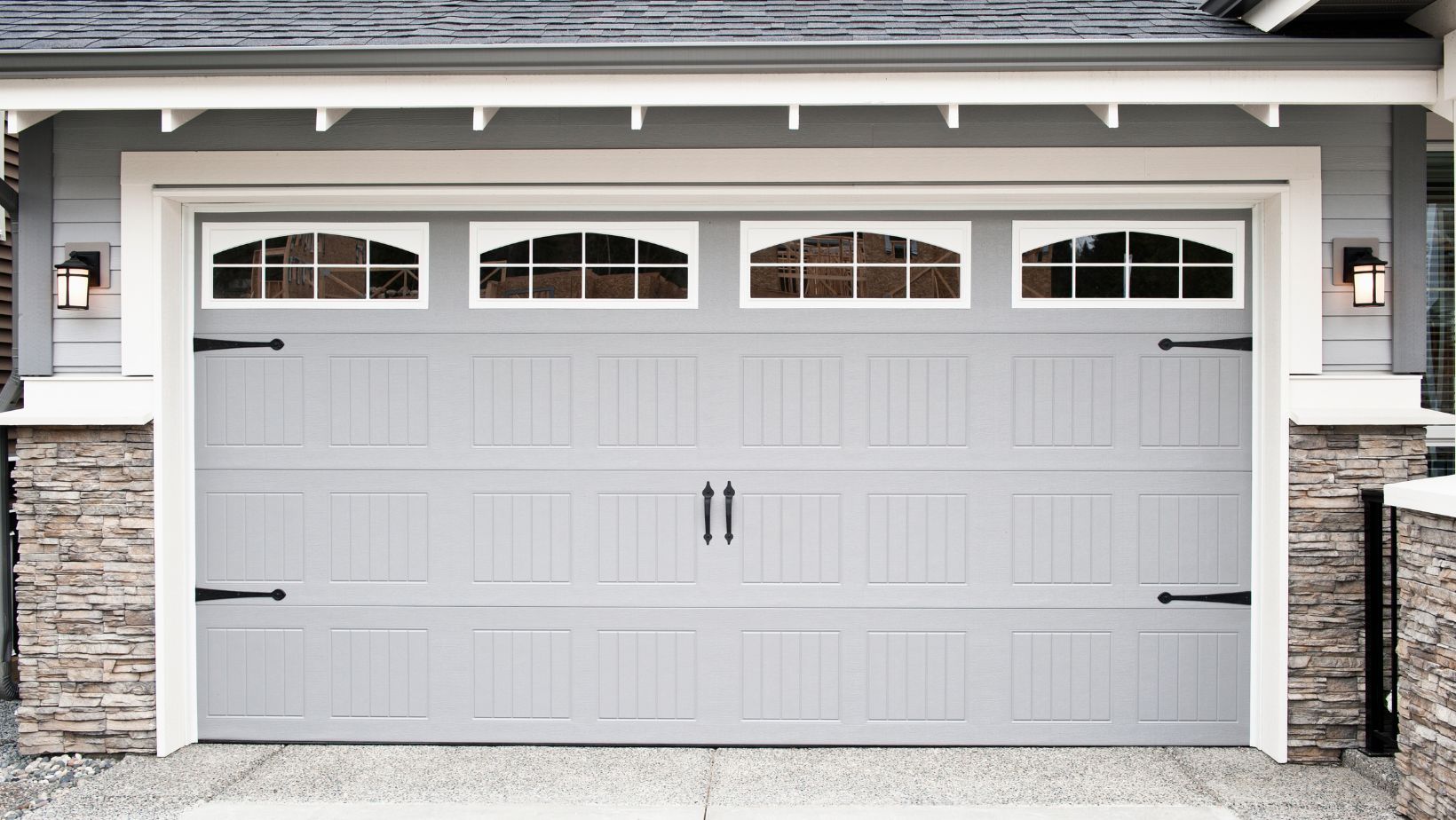
Variables to determine how much horsepower you require include the number of doors, their weight, and the size. The HP for openers usually ranges between 1/3 and 1/ ½. Consider the following HP summary along with the door sizes.
- The lowest HP of 1/3 can work for single-car garages; however, it’s recommended to get slightly higher than you need to reduce the stress and strain on the opener and make the door’s operation easier.
- An HP of ½ is suitable for operating a two-car sectional garage for daily function.
- Larger garages with high-tech operators will need at least ¾ + HP. Higher is better with heavy use.
Possible Reasons for a Garage Door Operator to Stop Working
Regardless of enlisting adequate preventive inspections and maintenance services and handling homeowner care and upkeep, openers can unexpectedly stop working.
Determining the underlying cause of the issue will decide if you need minor or major repairs to get the system up and running. Visit – Garage Door Opener Tips and Technology – for tips and technology pertaining to garage door operators.
Consider the following situations when troubleshooting developing issues to help narrow down the cause and find the best solution.
Remote Batteries
When pressing the button for the remote but getting no response, the batteries could be the problem. Check the wall panel to see if the door will open. If it functions normally, the remote will probably need to have the batteries changed.
Blocked Remote Signal
A blocked signal to the remote can also lead to a non-responsive opener. If the batteries have been replaced, the next step is making sure the signal hasn’t been disrupted. Testing this is relatively simple by standing roughly 20 feet from the operator.
If it doesn’t work, check the antennae, clear debris and make sure it’s in good condition and pointing toward the door. If the antennae is damaged, reach out to a professional to inspect the system.
The Lock Button
The lock button could be engaged on the wall-mounted panel, which will prevent the opener from working. This button can inadvertently be switched when using the panel.
The Garage Door Doesn’t Close All The Way

Damaged cables, broken springs, and blocked tracks can interfere with the garage door closing. Malfunctioning sensors can keep the door from closing completely. If the safety sensors are malfunctioning or misaligned this can contribute regardless of if nothing is there.
Final Thought
Turning to a professional for garage door repairs is wise to keep yourself and your home safe from harm or damages. If you have minor fixes, you can probably handle things like swapping out old batteries, switching off the lock button, removing obstacles from the door’s path, and clearing debris from the tracks.
These are simple fixes as is tightening loose hardware and lubricating rollers if you’re comfortable working with the door.
In many cases, solutions are more challenging and require the services of a repair tech. These professionals have the knowledge and skills along with the proper tools to diagnose and fix the operator safely and effectively.
More Stories
FlyArchitecturee.net: Modern Architecture Portfolio, Services, And Why Clients Choose Us (2026)
Exploring FlyArchitecture.net Outside: Inspiring Exterior Design, Materials, And Site Ideas (2026 Guide)
Farchitecfly Smart Facade: How Golden Honeycomb Decals Transform Buildings In 2026