
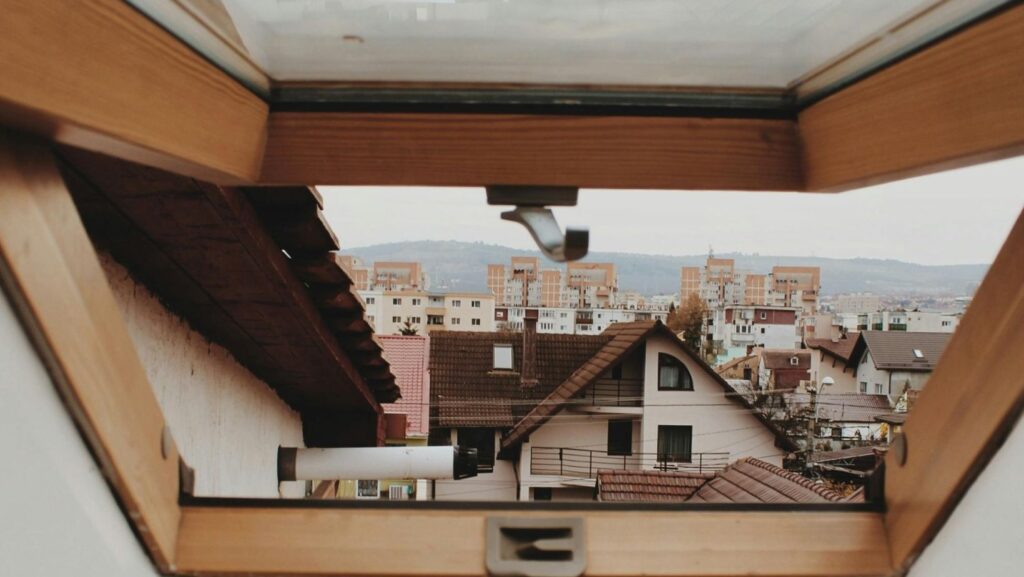
There’s a particular kind of lift you feel when daylight comes from above. Walls can only do so much; even generous vertical glazing still leaves you aware of the room’s boundaries. A well-placed flat roof window, on the other hand, changes the way a space reads. Ceilings feel higher. Corners soften. Colours look more honest. And the room starts to breathe.
This is why flat roof windows have become such a staple in contemporary extensions, loft conversions, and kitchen-diners—especially in homes where planning constraints limit side windows or where neighbouring properties steal your privacy. Overhead light is quieter and more even, and it tends to reach deeper into the plan than people expect. If you’ve ever walked into an extension that felt oddly bright despite modest square meterage, chances are the roof glazing was doing the heavy lifting.
The key is making decisions that balance aesthetics with performance: thermal comfort, condensation control, acoustics, ventilation, and glare management. If you’re weighing options, it’s worth reviewing real-world examples and specifications of glazing solutions for flat roof designs to understand what’s possible beyond the basic “rooflight equals daylight” idea.
Why Overhead Daylight Feels So Transformative
Light from above behaves differently from light coming in at eye level. It’s less likely to create harsh shadows across faces and worktops, and it tends to distribute more evenly across the room over the course of the day. That matters in the spaces where we spend time—kitchens, living rooms, home offices—because it affects comfort and usability, not just looks.
Space Perception: The Psychology Of A Brighter Ceiling
When the ceiling plane is illuminated, our brains register the room as larger. It’s the same reason galleries often rely on top lighting: it reduces visual clutter and draws attention to the space rather than the boundaries. In practical terms:
- A roof window can make a modest extension feel “architectural” without increasing footprint.
- In side-return extensions (common in Victorian terraces), overhead glazing compensates for the loss of a side window.
- In loft rooms, a flat roof window can deliver light without the strong directional glare you sometimes get from dormer windows.
The Daylight-To-Privacy Sweet Spot
Overlooked gardens and tight urban plots push many homeowners into a compromise: blinds down for privacy, and the room feels cave-like. Roof glazing sidesteps that. You can pull daylight into the centre of the plan while keeping sightlines controlled. It’s one of the few upgrades that improves both openness and privacy at the same time.
Choosing The Right Flat Roof Window Type
Not all flat roof windows deliver the same experience. The differences aren’t just aesthetic; they affect how light spreads, how the roof drains, and what maintenance looks like a few years down the line.
Fixed vs Opening: Comfort Isn’t Only About Temperature
A fixed unit is simpler and often more cost-efficient, but opening roof windows can dramatically improve comfort in kitchens and upper floors, where warm air collects. If you’ve ever had a south-facing extension that looks stunning yet feels stuffy on still days, ventilation is usually the missing piece.
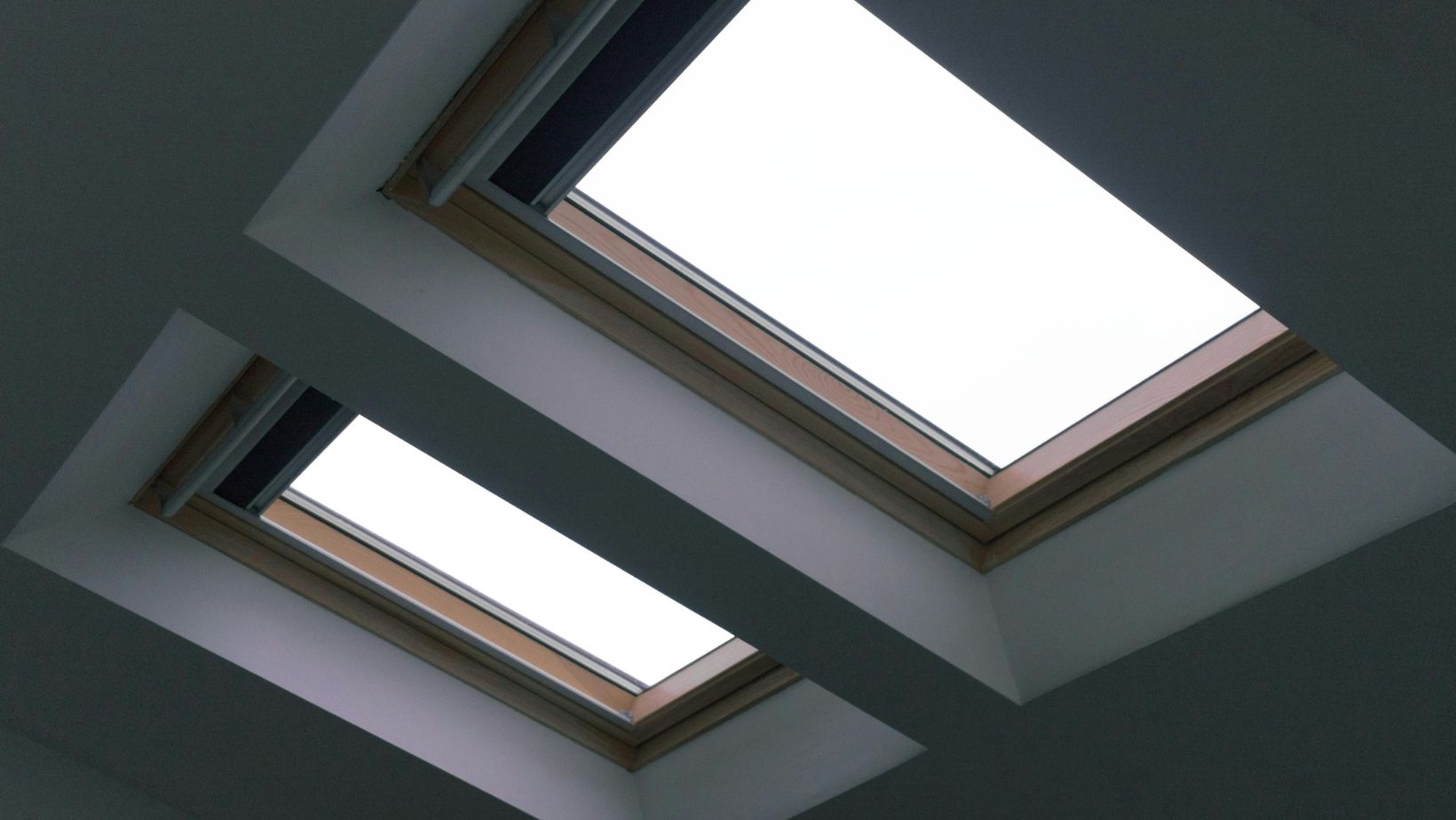
For opening units, consider how you’ll operate them—manual pole, electric, or automated (rain sensors, timers, CO₂ sensors). Automation isn’t a gimmick when it prevents overheating on a hot afternoon or closes the window during an unexpected shower.
Flush, Framed, And “Lantern” Styles: Light Quality And Sightlines
- Flush, minimal profiles tend to disappear visually, which keeps the ceiling clean and contemporary.
- Framed rooflights can suit more traditional interiors and may integrate well with thicker roof build-ups.
- Roof lanterns (raised structures) bring a different character—more vertical light and a stronger architectural statement—though they can introduce more heat loss if poorly specified.
The best choice depends on whether you want the glazing to be a feature or to quietly enhance the room.
Performance Basics That Make Or Break The Result
A flat roof window is exposed to harsher conditions than most vertical glazing: standing water risk, debris, and more direct solar load. Performance specs matter.
Thermal Performance, Solar Gain, And The Real-World Comfort Equation
Look beyond a single U-value figure. Two homes with the same rooflight can feel totally different based on orientation, shading, and room layout. South- and west-facing glazing may need solar control glass to reduce overheating and glare, especially in open-plan kitchen-diners where cooking already adds heat.
As a rule of thumb: if you’re planning a large glazed area, think about how you’ll manage summer comfort from the start—glass specification, opening vents, and shading strategies—rather than relying on blinds as an afterthought.
Condensation And Moisture: The Hidden Design Challenge
Condensation isn’t just about “bad windows.” It’s a mix of indoor humidity, surface temperature, and ventilation. Roof glazing over bathrooms, utility rooms, and kitchens should be specified with moisture in mind. Warm-edge spacers, high-performance sealed units, and reliable ventilation reduce risk—while good detailing around the upstand helps prevent cold bridging.
A Quick Checklist Worth Asking Your Installer Or Designer
Here’s the one set of bullets that’s genuinely useful to keep on hand:
- What’s the U-value of the installed unit (not just centre-pane)?
- Is the glass laminated (for safety) and toughened where required?
- What’s the plan for solar control on south/west elevations?
- How is the upstand detailed to prevent thermal bridging and leaks?
- If it opens, what’s the ventilation strategy (manual/electric/automated)?
- Any acoustic considerations if you’re under a flight path or near traffic?
Design Placement: Where Roof Windows Have The Biggest Impact
People often default to centring a rooflight in a room. Sometimes that’s right—but the most effective placements are often more deliberate.
Task Light vs Ambient Light
Over a kitchen island or dining table, a roof window gives you clean task lighting without fighting reflections from pendants. In living areas, placing glazing closer to the transition between old and new spaces helps pull daylight back into the existing house—critical in deep-plan renovations.
Composing Multiple Units For Rhythm (Not “More Is Better”)
Two or three smaller roof windows can create a calmer, more even light than one large opening, while also simplifying structural coordination. They can echo the rhythm of roof joists and align with key interior elements (island, sofa zone, hallway axis), making the design feel intentional rather than dropped in.
Installation Details That Protect Your Investment
Most roof window problems come from detailing, not the product itself. Flat roofs demand careful waterproofing and drainage planning. A properly formed upstand, correct membrane integration, and sensible falls are non-negotiable. It’s also worth discussing access for cleaning—especially if the glazing sits under overhanging trees or near chimneys where debris collects.
The Bottom Line: Openness You Can Feel Every Day
A flat roof window isn’t just a way to brighten a room. Done well, it reshapes how you experience your home—more headroom (psychologically, at least), more calm, more flexibility in how you use the space. The best results come from treating roof glazing as part of a comfort system: daylight, ventilation, and thermal control working together.
If you start with that mindset, you’ll end up with something better than a bright room. You’ll get a space that feels genuinely open—whatever the square footage says on paper.
More Stories
How To Boost Your Home’s Security Without Ruining What Your Home Looks Like
Home EV Charger Installation: What to Know Before You Book an Electrician
Flyarq CarbonTech Modular Renovation Deals: A Practical Guide To Faster, Greener Home Upgrades