
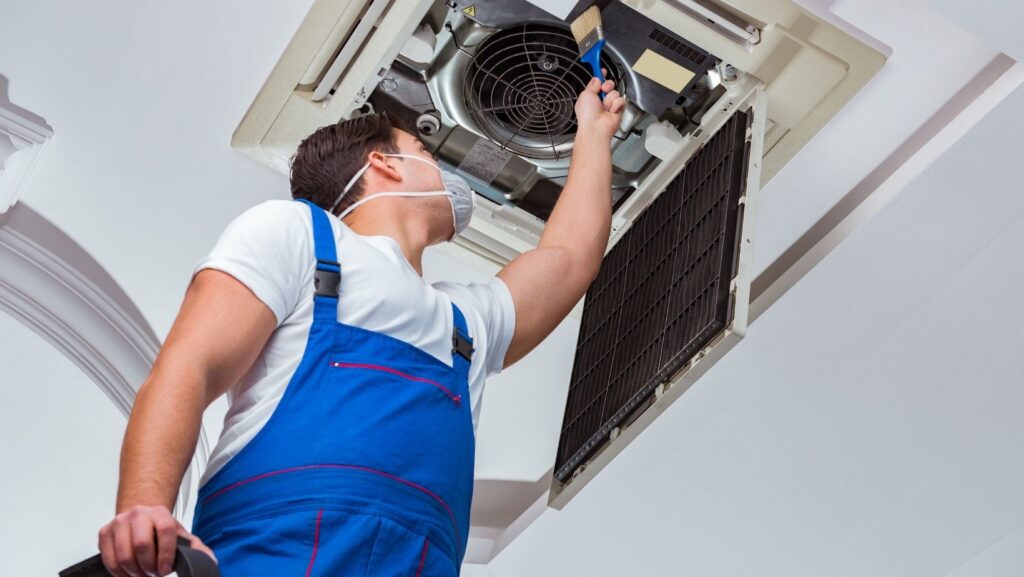
Older HVAC systems rarely fail all at once. More often than not, they drift into inefficiency. Utility costs rise, comfort becomes less consistent, and equipment runtime stretches longer than before, yet the system still appears functional enough to keep running. That gray area is where many building owners lose money. They assume aging equipment has only two outcomes: leave it alone or replace it completely. In reality, contractors often restore meaningful efficiency by diagnosing where performance has slipped, correcting the causes, and improving how the system moves air, manages load, and responds to the building it serves.
Age Alone Is Not The Cause
- Efficiency Declines In Stages
Aging heating and cooling systems lose efficiency for practical reasons, not mysterious ones. Components wear out, airflow becomes restricted, coils get dirty, motors weaken, controls drift, and the building itself may impose new demands on equipment that was sized for different conditions years ago. Small losses in several areas can combine to produce a noticeable drop in performance, even when the system still turns on and off normally.
- Performance Loss Usually Has Layers
That is why contractors do not treat an older system as automatically finished. They start by asking where efficiency is being lost and whether those losses can be corrected without immediate replacement. In markets with long cooling seasons, teams such as HVAC contractors in Phoenix, AZ often see how heat exposure, dust, duct stress, and prolonged runtime accelerate wear patterns that gradually erode performance. The equipment may be old, but age alone does not explain the whole story. Contractors restore efficiency by identifying the specific conditions that make the system work harder than it should.
- Airflow Is Often The First Fix
One of the most common efficiency problems in older systems is poor airflow. Over time, filters may be neglected, evaporator coils accumulate buildup, blowers lose effectiveness, ductwork develops restrictions, and return-air pathways become inadequate for the space’s demands. When airflow drops, the system has to run longer to deliver the same result. That longer runtime increases energy use and exposes weak comfort performance in rooms that were already difficult to condition.
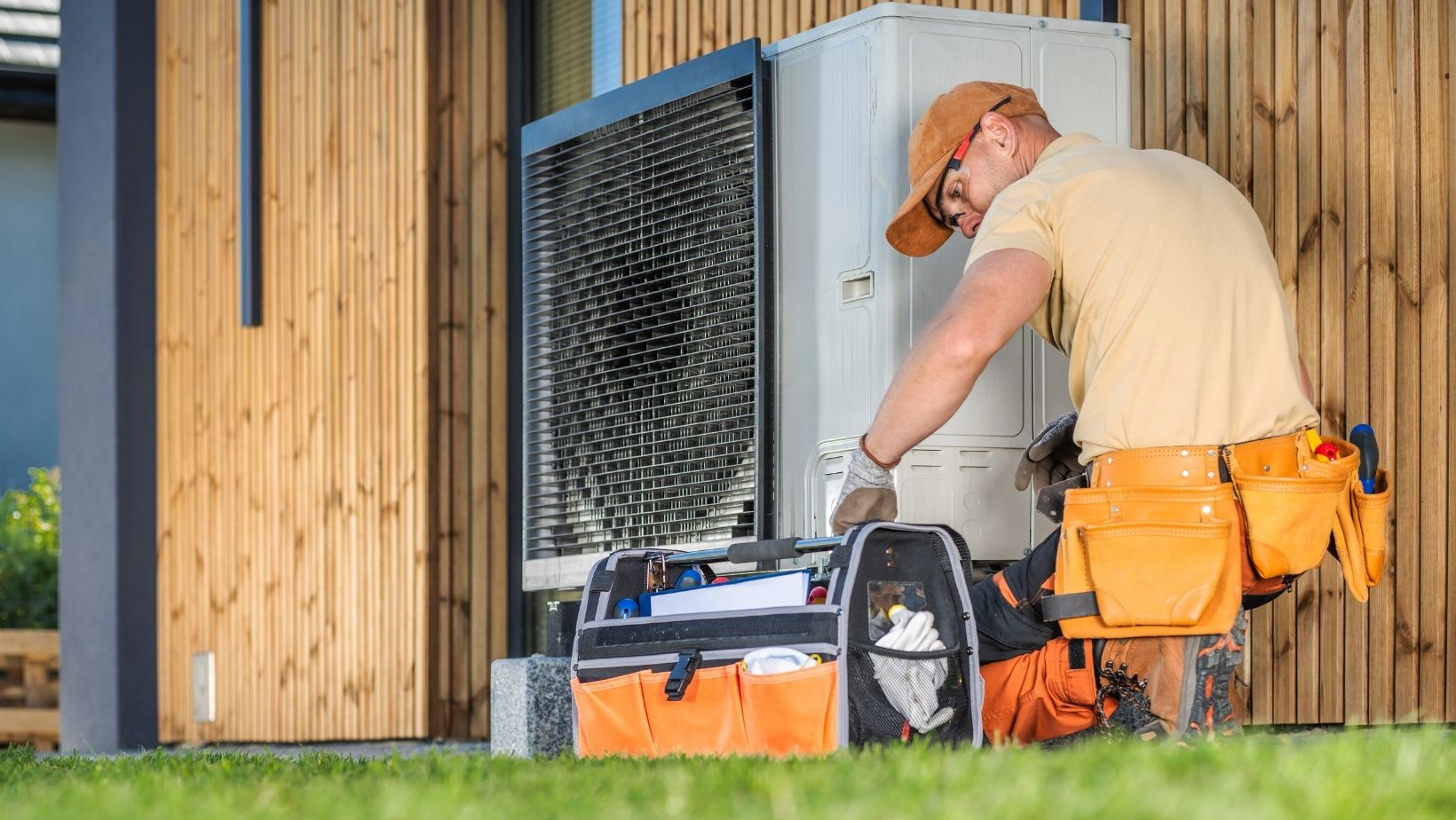
Contractors often begin with airflow because it affects almost every part of HVAC operation. They check filters, inspect blower assemblies, measure static pressure, evaluate duct restrictions, and review how air is being distributed across the building. If the system cannot move air efficiently, even otherwise functional heating and cooling components will underperform. Restoring airflow frequently produces immediate operational gains without requiring a full equipment change.
- Coils Quietly Reduce System Capacity
Dirty or degraded coils are another major source of lost efficiency in aging systems. On the cooling side, the evaporator coil must absorb indoor heat effectively, while the condenser coil must reject that heat outdoors. When either surface becomes coated with dirt, debris, or residue, heat transfer suffers. The system then has to operate longer and under more strain to maintain the same indoor conditions.
Contractors inspect coil condition because efficiency is not only about whether refrigerant is present or whether the compressor starts. It is about how well the entire heat-transfer process is working. A system with fouled coils may still cool or heat, but not with the speed, stability, or energy control it once had. Cleaning or correcting coil-related issues can restore some of the lost capacity and reduce excessive runtime, which often makes older systems seem weaker than they actually are.
- Controls Need To Respond Correctly
Aging HVAC systems also lose efficiency when controls stop responding accurately. Thermostats can drift, sensors can misread conditions, relays can degrade, and sequencing may no longer match the building’s real operating needs. The result is often subtle at first. Equipment cycles too frequently, runs longer than necessary, or satisfies the thermostat without delivering stable comfort throughout the space.
Contractors evaluate controls because a system cannot operate efficiently if it is making decisions based on flawed information. A thermostat placed near heat gain, poor air circulation, or direct sunlight can distort the entire runtime pattern. Likewise, worn control components may interrupt otherwise normal operation. Restoring efficiency sometimes means recalibrating the system’s logic as much as repairing its hardware. Good performance depends on correct signals, not just working motors and compressors.
- Duct Losses Steal Conditioned Air
In older buildings, duct systems often contribute to the efficiency problem. Leaks, loose joints, crushed flex sections, poor transitions, and deteriorated insulation can all reduce the amount of conditioned air that reaches occupied rooms. The equipment may be producing enough heating or cooling at the unit, but by the time that air travels through compromised ducts, the result inside the building feels weak or uneven.
Contractors address duct losses because they know efficiency is measured at the room level, not just at the equipment cabinet. If supply air escapes into attic spaces or crawl areas, the system has to run longer to compensate. If return leaks distort pressure and pull in unwanted heat, the equipment works harder again. Sealing, repairing, or redesigning weak portions of the duct system can restore efficiency in ways that replacement parts alone cannot.
- Refrigerant And Combustion Must Be Right
Older cooling systems can lose efficiency when refrigerant charge, metering, or pressure relationships drift out of range. Heating systems face similar issues when combustion does not operate cleanly or when heat exchange is not carried away properly. In both cases, the system may continue operating while consuming more energy than necessary and producing less useful output.
Contractors check these fundamentals because true efficiency depends on correct operating conditions. In air conditioning, that means verifying charge based on measured performance rather than guesswork. In furnaces, it means checking burners, flame characteristics, temperature rise, and the safe delivery of heat. These are not cosmetic tune-up steps. They are core performance checks that reveal whether the system is converting energy into useful heating or cooling as effectively as it should.
Efficiency Comes From System Thinking
HVAC contractors restore efficiency in aging heating and cooling systems by treating performance as a system-wide issue rather than a single piece of equipment problem. They evaluate airflow, coils, controls, ductwork, refrigerant or combustion conditions, maintenance history, and the building’s overall demand. That broader approach matters because older equipment often loses efficiency in layers, not through one obvious failure.
Modernizing these older setups often uncovers hidden issues that have quietly eroded system performance over decades. While technicians frequently focus on long-term retrofits like duct sealing or insulation upgrades, they also recognize that immediate mechanical failures can arise without warning in aged units. Promptly addressing an Emergency AC Repair ensures that the system doesn’t suffer cascading damage while waiting for more extensive efficiency improvements. By resolving these acute breakdowns quickly, homeowners can protect their investment and maintain a consistent indoor climate. This proactive approach to both minor repairs and major overhauls is what ultimately stabilizes energy consumption and extends the operational life of the entire equipment array.
For property managers, facility managers, and building owners, that distinction is important. An aging system may still have useful life left, but only if the causes of inefficiency are diagnosed accurately and corrected with purpose. The most reliable gains come from restoring how the equipment, air distribution, and structure work together. When contractors take that view, they do more than improve utility performance. They help older systems operate with more consistency, less strain, and better value than their age alone might suggest.
More Stories
How To Boost Your Home’s Security Without Ruining What Your Home Looks Like
Home EV Charger Installation: What to Know Before You Book an Electrician
Flyarq CarbonTech Modular Renovation Deals: A Practical Guide To Faster, Greener Home Upgrades