
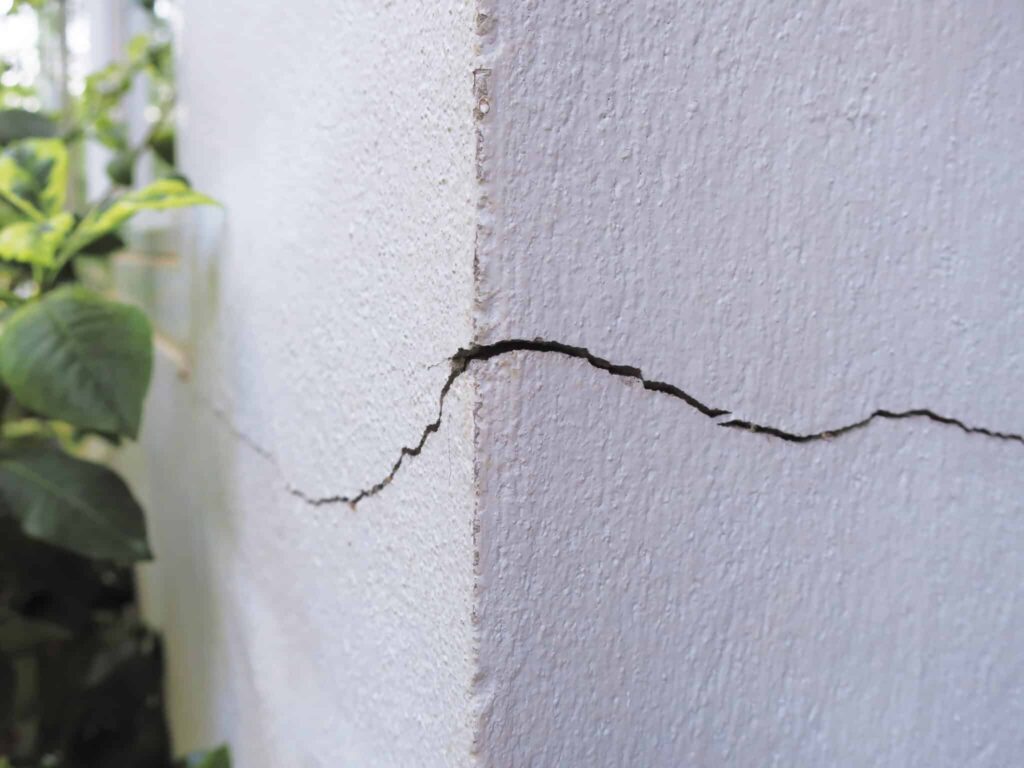
Foundation damage is an extremely serious issue that any homeowner can face. It can weaken your home’s structure and create some safety risks. These problems usually develop slowly due to different factors.
So, knowing how to handle this damage in residential properties is essential for minimizing risks. We want to tell you about the main causes of these problems and effective repair methods.
So, keep reading!
Main Factors Causing Foundation Damage
The main role of your home foundation is to provide it with long-term stability. However, certain environmental and structural factors can weaken it.
You need to understand the main triggers of this damage to avoid expensive repairs.
Soil Movement
Soil movement beneath the structure is a typical reason for foundation damage. Some soils react to water by swelling and then shrinking.
This pattern of expansion and contraction applies pressure to your foundation. It usually leads to
- Cracks
- Shifts
- Uneven settling
This movement can weaken the overall stability of your home. You might need to consider professional concrete slab foundation repair to restore it in more severe cases.
Poor Drainage
Water is also a major threat to any foundation. You might experience water accumulation because of
- Improper drainage systems
- Clogged gutters
- Incorrect land grading
Overly saturated soil loses its strength and can’t provide consistent support.
Plus, continuous exposure to water can cause erosion under the slab. It creates voids that cause sections of the foundation to sink.
Overgrown Vegetation
Many people have trees and large plants to enhance curb appeal. Their root systems are a danger to your foundations.
Roots naturally seek out moisture. So, they can draw water away from the soil beneath your home, causing it to dry out.
They can also exert physical pressure on your foundation. This combination of soil instability and direct force can lead to uneven settling.
Poor Construction Practices
Sometimes you can trace back damage to the initial construction phase. It might happen because of
- Inadequate soil preparation
- Substandard materials
- Improper curing of concrete
Your foundation becomes far more vulnerable to damage if it was not built to accommodate specific conditions or climate. These issues often surface years later.
Faulty Plumbing
Undetected plumbing leaks beneath your home can also create localized areas of instability. These leaks are usually hidden. The damage can progress a lot before it becomes visible. So, you should investigate unexplained moisture or sudden cracks immediately.
Foundation Repair Methods
Foundation problems can vary in severity and cause. So, you should evaluate different factors when choosing the right repair method. We gathered some common repair techniques to help you.
Slabjacking
Slabjacking is a popular technique for correcting inconsistent concrete slabs.
You just have to make small holes in the affected area and put a cement mixture under the slab. It will fill the voids and raise the foundation back to its original position.
You can use this method for minor and moderate settling issues. It is a less expensive solution compared to invasive repairs.
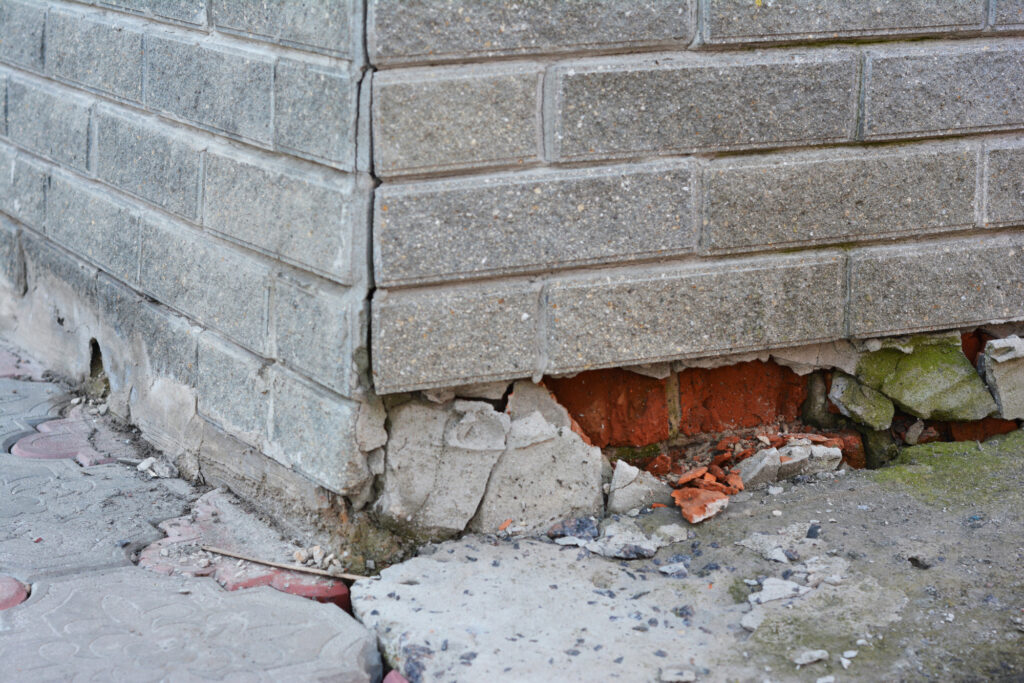
Polyurethane Foam Injection
Polyurethane foam injection is a more modern alternative to traditional slabjacking. Many people prefer this method for residential repairs because of its durability.
You have to pump high-density foam under your foundation. It expands and hardens there to stabilize the structure. This approach offers several advantages, including
- Faster curing times
- Lightweight materials
- Improved precision
This approach is ideal for areas where you need to minimize pressure.
Piering
You can use piering for more severe problems to add extra support for the structure. You can drive steel or concrete piers into stable soil layers under the foundation.
It will help you transfer the weight of your structure to these piers. Key types of piering systems include
- Push
- Helical
- Concrete
This alternative is a long-term solution for substantial settling. People typically choose it when other methods are insufficient.
Anchor Systems
Your foundation walls might begin to bow or lean due to soil pressure. You can install anchor systems to improve their stability.
You will need to place steel plates inside the wall and connect them to anchors outside the home. These systems will straighten your wall and prevent further movement.
We suggest you use this method in areas where lateral pressure from expanding soil is bigger.
Sealing
Not all foundation issues require structural changes.
You can use sealing methods for small cracks that do not impact your structure. Consider epoxy or polyurethane injections for filling these cracks.
This strategy only addresses cosmetic issues. Yet, it helps you protect your foundation from moisture damage and other deterioration.
Full Foundation Replacement
You might need to do a partial or complete replacement in extreme cases. You will have to raise the structure and rebuild your foundation completely.
This approach requires the highest investment and effort. However, full replacement ensures a fresh start with a properly constructed foundation.
We suggest this method only if alternative repairs are not possible.
Basic Maintenance Tips
It’s much easier and less expensive to stop foundation damage instead of fixing it. Routine care allows you to avoid the majority of structural issues.
Here are some tips to keep your home stable and safe:
- Use adequate drainage systems
- Regulate soil water levels
- Fix any problems with plumbing
- Manage vegetation and tree placement
- Follow correct building and remodeling practices
We also recommend you install a foundation monitoring system if you live in a risky area. These systems can detect any unusual movements and changes. They help you spot potential issues before they become serious.
Conclusion
You will need a combination of early detection and the right repair approach to handle any foundation restoration.
Tons of different factors can cause these issues. You have to resolve them right away to avoid any complications. Routine upkeep and control are essential to protect your home.
You can apply the strategies we highlighted to handle any damage to your foundation. Yet, don’t hesitate to hire specialists if the task is beyond your experience!
More Stories
Planning Plumbing Access Before Closing Walls in a Renovation
How to Read a Cabinet Spec Sheet: A Term-by-Term Translation
Why Compact Homes Are Growing in Popularity