
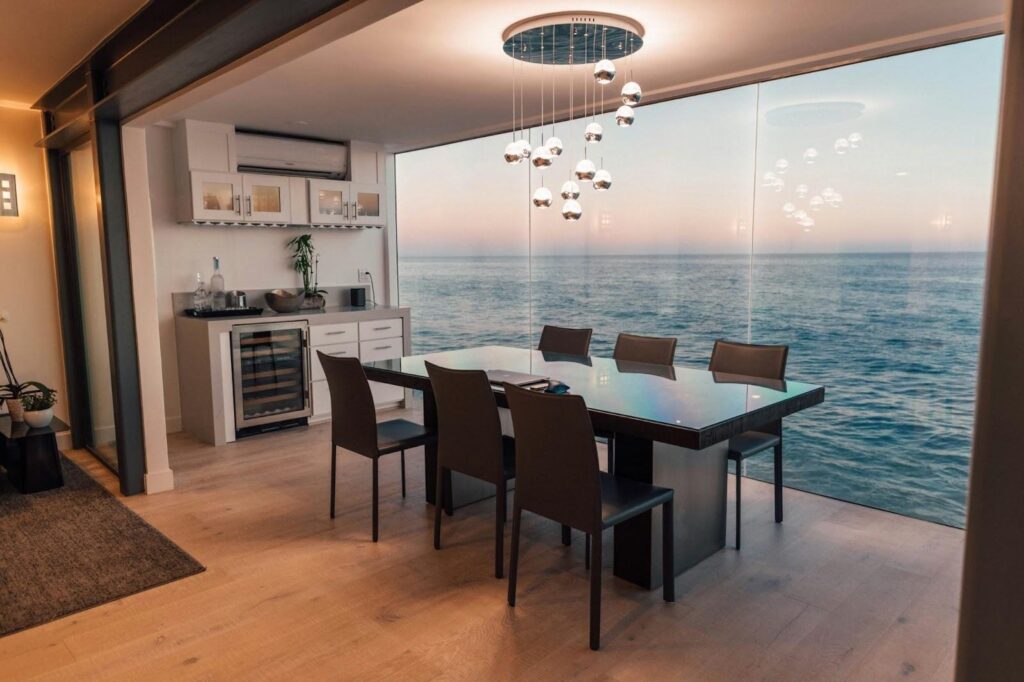
Why Natural Wood Flooring Remains a Classic Choice
There is a reason why natural wood flooring has been coveted in homes for centuries, and in an era of synthetic alternatives, genuine hardwood still holds a unique appeal that is difficult to replicate. Homeowners who invest in natural wood flooring are choosing a material with authentic character, natural variation, and a warmth that adds genuine charm to any interior. Every plank of real wood is unique, with its own grain patterns, knots, and colour variations that give a floor a sense of life and individuality that no manufactured product can truly match.
Species Options and Their Unique Characteristics
Natural hardwood is available in a wide range of species, each with distinct characteristics in terms of hardness, grain pattern, and natural colour tone. Oak is the most popular choice in the UK due to its versatility and warm golden tones that suit both traditional and contemporary interiors. Walnut offers a richer, darker finish with a fine grain that brings a sense of luxury to a room. Ash is known for its pale, light appearance and pronounced grain, while cherry develops a beautiful reddish-brown patina over time. Each species offers a different aesthetic and performance profile.
Solid Hardwood Versus Engineered Wood Flooring
When selecting natural wood flooring, homeowners typically choose between solid hardwood planks and engineered wood products. Solid hardwood is milled entirely from one piece of timber and can be sanded and refinished multiple times throughout its life, potentially lasting for generations. Engineered wood features a real hardwood top layer bonded to a stable plywood or HDF core, making it more resistant to moisture and movement than solid wood. Engineered products are often suitable for underfloor heating systems and ground floor installations where moisture levels may vary.
The Role of Finishing and Oiling
The way a natural wood floor is finished significantly affects both its appearance and its durability. Lacquered floors have a sealed surface that is highly resistant to everyday marks and spills, requiring minimal maintenance. Oiled floors have a more natural, matte appearance that allows the wood grain to show through more vividly, but they require periodic re-oiling to maintain their protection. Some homeowners prefer the lived-in look of an oiled floor, while others prefer the clean, consistent finish that lacquer provides. The choice comes down to personal preference and how much ongoing maintenance you are prepared to undertake.
Caring for Your Natural Wood Floor
Proper maintenance is essential to preserving the beauty and longevity of a natural wood floor. Regular sweeping or vacuuming to remove grit and debris is the most important daily habit, as abrasive particles are the primary cause of surface scratching. Spills should be cleaned up promptly to prevent moisture from penetrating the wood surface, and it is advisable to use protective felt pads under furniture legs. Avoid using excessive water when mopping, as prolonged exposure to moisture can cause the wood to swell, warp, or discolour.
Adding Value to Your Home
Beyond its aesthetic and practical benefits, natural wood flooring is consistently cited as a feature that adds value to a property. Buyers and estate agents frequently highlight real wood floors as a desirable feature that distinguishes a home in the market. The premium feel and authentic appearance of natural wood can help a property command a higher asking price and appeal to a broader range of buyers. For homeowners who view their property as an investment, installing natural wood floors is one of the most effective improvements they can make to enhance both enjoyment and long-term value.
More Stories
Planning Plumbing Access Before Closing Walls in a Renovation
How to Read a Cabinet Spec Sheet: A Term-by-Term Translation
Why Compact Homes Are Growing in Popularity