
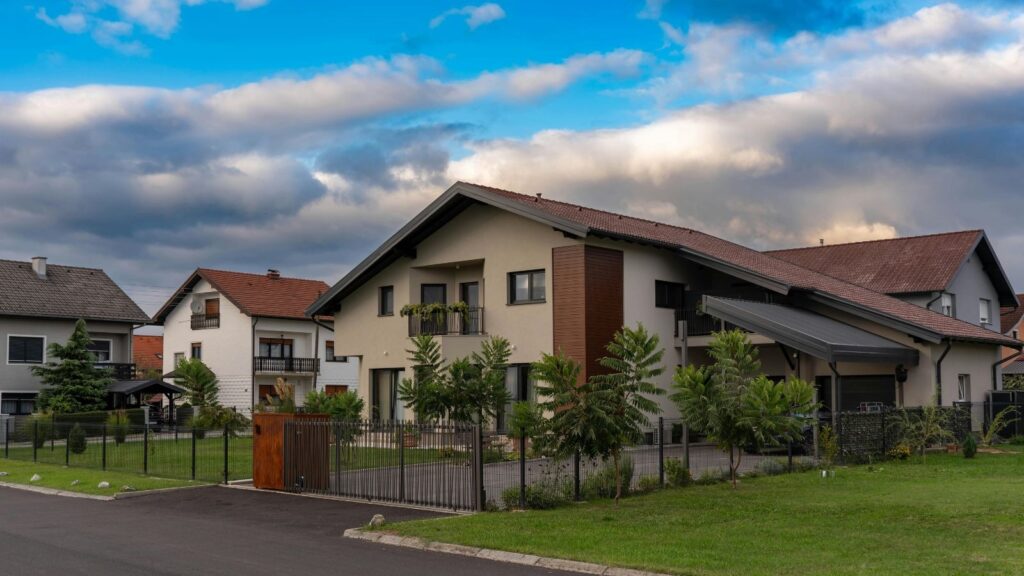
Sleek exteriors and upgraded interiors in multifamily projects go well beyond looks. There’s a real financial strategy at work, one that can boost your early cash flow, if you know how to use accelerated depreciation.
If you hang around architects, developers or real estate investors long enough, you can’t help but notice how often design and finance cross paths. The shiny lobby, upgraded units or thoughtfully planned outdoor spaces aren’t just for show. They’re all pieces of a bigger investment puzzle.
People getting into multifamily investing, especially anyone who’s drawn to the design side, often miss a key financial tool at first. It’s called accelerated depreciation. The name sounds like something only an accountant would get excited about, but it actually matters when you start looking at how much money you keep in those early years of owning a property.
What accelerated depreciation really means
Buy a multifamily property and the IRS won’t let you deduct the price of the building all at once. They make you spread those deductions out, usually over 27.5 years for residential properties, which is what people mean when they say “apartment building depreciation”.
But here’s the twist. A lot of parts in a building don’t actually last 27.5 years. Floors get replaced. Lights change. Appliances wear out. Landscaping gets updated. Accelerated depreciation takes this into account and says: You can write off some things faster.
To do this, you usually need a cost segregation study, where experts come in, break your property down into separate asset categories and figure out what qualifies for a 5, 7 or 15-year depreciation schedule, instead of rolling it all into that long 27.5-year stretch. That means every design choice you make; finishes, fixtures and exterior upgrades, doesn’t just affect curb appeal. It can have a real impact on how quickly you see tax benefits.
Why early-year cash flow gets a boost
Let’s talk about cash flow, since that’s what most investors actually watch. Accelerated depreciation real estate doesn’t increase your rental income, and it doesn’t cut your day-to-day expenses either. What it does do: It lowers your taxable income, at least in the eyes of the IRS. That’s a big deal.
Front-loading depreciation means you can offset more income in the early years, which can knock your tax bill down and leave you with more cash on hand. If you’re juggling renovation budgets, planning upgrades or stuck in a lease-up period, that extra liquidity can really help keep everything moving. Lots of people talk endlessly about rent growth and cap rates, but these multifamily tax benefits are just as important, and often overlooked.
Nothing is ever totally simple, though. Whether you get to use those extra deductions right away depends on your income and how passive losses real estate apply to your situation.
Where design and tax strategy meet
If you love architecture and design, here’s where things get practical. Say you’ve got a value-add renovation tax planning project: You’re redoing kitchens, putting down new floors, swapping out lighting and freshening up the exterior. You’re making a better space to live in, sure, but you’re also creating assets that fall into faster depreciation categories.
That’s the reason tax planning for renovations is such a hot topic. Picking materials isn’t just about what looks good or holds up, it’s also about understanding how those choices get treated for depreciation.
Layout, finishes and things like walkways or landscaping, for the multifamily cost segregation experts, all these details matter for how assets get classified. It’s a subtle factor, but it adds up fast.
A lightweight example
Let’s make this real for a second. You buy a multifamily property for $1,200,000. You count $300,000 as land value, so you’ve got $900,000 available for depreciation. If you use standard 27.5-year depreciation, that’s around $32,700 each year.
But if you do a cost segregation study and find that 30% of the building, $270,000, fits into shorter-lived asset buckets, you get those deductions quicker. Instead of spreading it all thin, maybe you get $70,000 or more in depreciation that first year.
When this strategy makes a dent
Accelerated depreciation works especially well when:
- You’ve just bought a multifamily building.
- The property has a real mix of stuff that qualifies for shorter depreciation lives.
- You’re about to renovate or you’ve just finished.
- You have income you can shelter with those deductions.
It’s also perfect for investors who want to get hands-on with design or improvements.
Getting ready for your CPA
Thinking about trying this? Gather your paperwork first. A typical cost segregation study needs:
- Closing statements and purchase agreements.
- Details about the property; square footage, number of units, things like that.
- A list of renovations or upgrades.
- Anything you have on architecture or design; drawings, plans and specs.
The design docs really matter. They explain materials, layouts and systems, all the stuff cost segregation pros use to split costs the right way.
More Stories
How the Right Office Furniture Can Create a More Comfortable and Productive Workspace
Transform Your Home Creating a Serene Sanctuary
Moving With a Family in Waltham: A Room-by-Room Preparation Plan